




What's Happening?
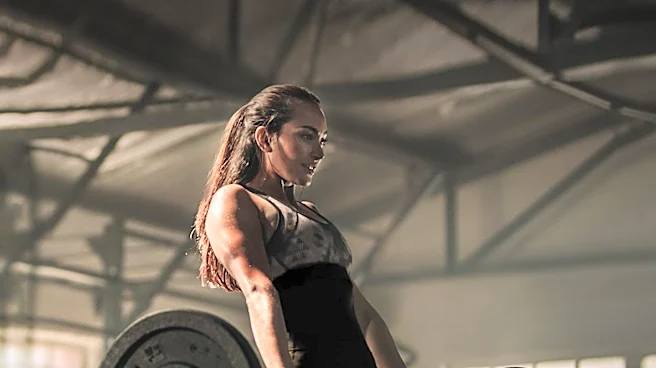
Current health guidelines for women are increasingly emphasizing the critical role of strength training for healthy aging, moving beyond a sole focus on cardio for weight loss. Muscle is highlighted as essential for more than just appearance, supporting
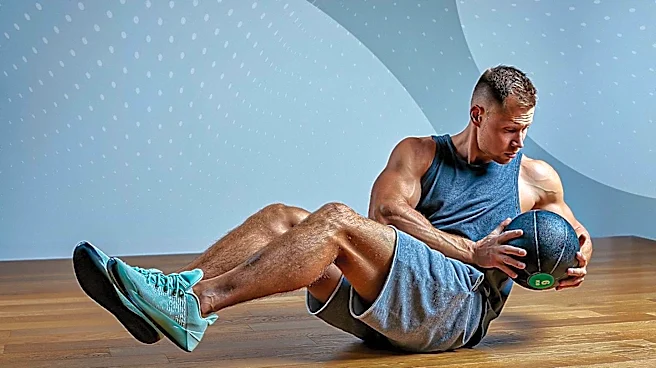
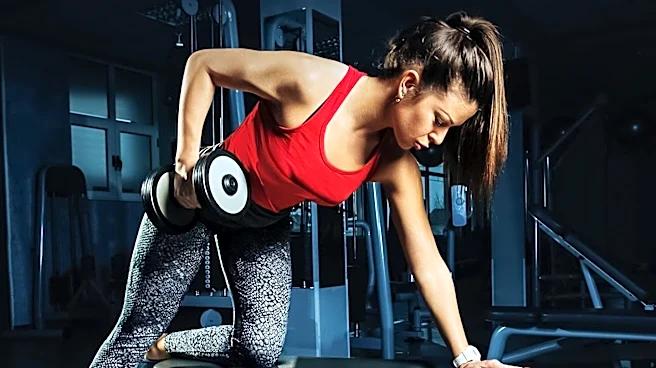
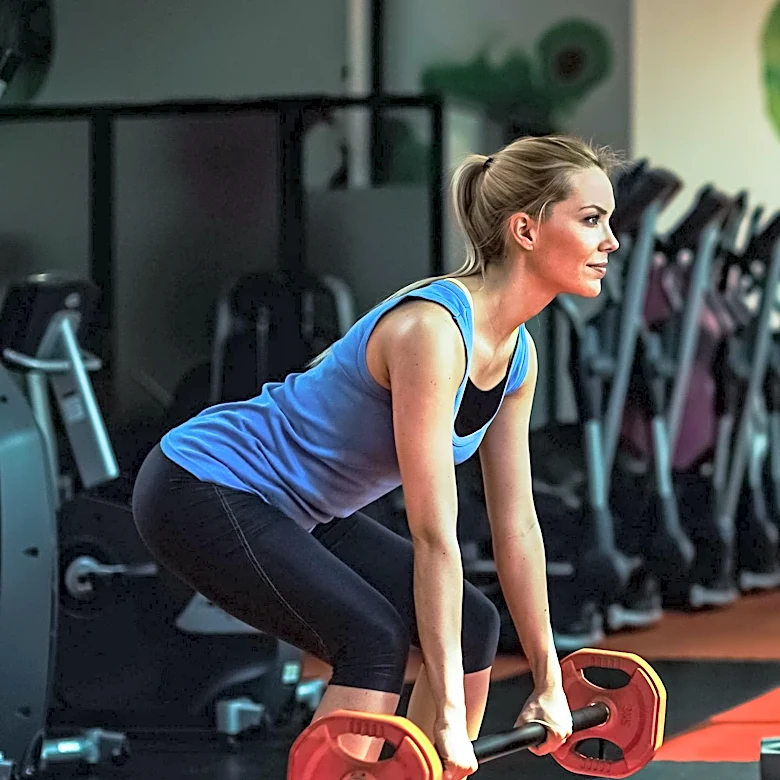
movement, posture, glucose disposal, joint function, bone loading, and maintaining physical independence as women age. Both the World Health Organization (WHO) and NHS recommend muscle-strengthening activities at least two days per week. These activities can include dumbbells, barbells, machines, resistance bands, bodyweight exercises, and even heavy gardening. The key is to challenge muscles against resistance, with the principle of progressive overload to ensure continuous adaptation and strength improvement.
Why It's Important?
This shift in health advice is particularly significant for women in the U.S., addressing long-standing misconceptions about exercise and promoting a more empowering approach to health. By prioritizing strength training, women can build and maintain muscle mass, which is crucial for combating age-related decline, preventing osteoporosis, and improving metabolic health. This focus on functional strength directly impacts women's ability to remain independent and active throughout their lives, reducing the risk of falls and chronic diseases. Economically, a healthier, more independent aging female population can lead to reduced healthcare costs and increased participation in society and the workforce for longer periods.
What's Next?
The updated guidelines are expected to influence public health campaigns, fitness programs, and personal training approaches across the U.S., encouraging more women to incorporate strength training into their routines. Educational initiatives will likely focus on demystifying strength training, demonstrating that it doesn't require becoming a bodybuilder but rather consistently challenging muscles. There may be an increase in accessible strength training options, including bodyweight exercises and resistance band workouts, to cater to diverse preferences and circumstances. This ongoing emphasis will aim to empower women to build physical resilience and enhance their quality of life at every stage.
Beyond the Headlines
The evolving understanding of women's exercise needs reflects a broader societal recognition of gender-specific health requirements and the importance of holistic well-being. This move away from purely aesthetic fitness goals towards functional strength and longevity challenges traditional beauty standards and promotes a more robust image of female health. It also underscores the ethical imperative to provide accurate, evidence-based health information that empowers individuals to make informed choices for their long-term health. This cultural shift can foster greater body positivity and self-efficacy among women, encouraging them to prioritize strength and health as fundamental aspects of their identity and independence.