
What's Happening?
Hyundai Motor Group, led by Executive Chair Euisun Chung, has announced its ambitious Physical AI vision at the San Francisco AI Summit. The company aims to transcend traditional automotive manufacturing
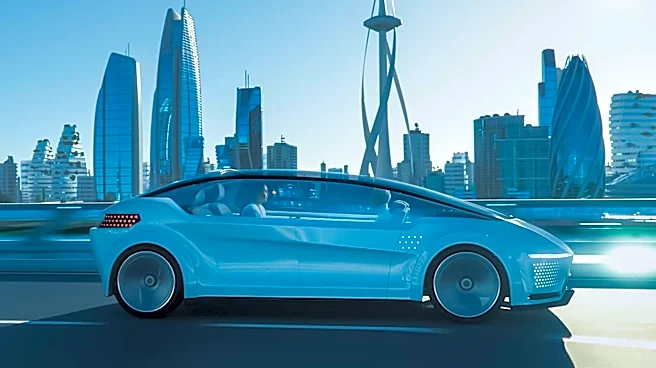
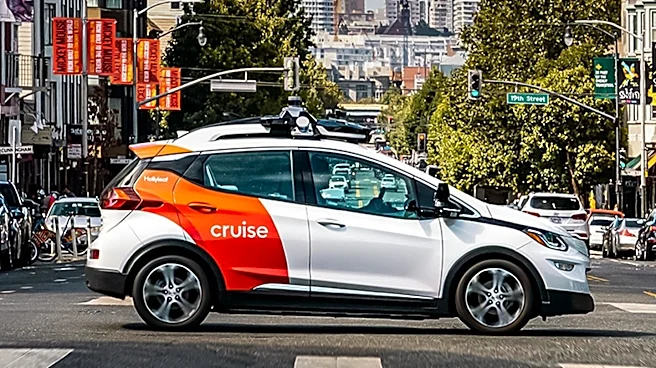
by integrating AI into various sectors, including autonomous driving, robotics, and AI factories. The ultimate goal is to achieve city-level integrated intelligence, where urban infrastructure is seamlessly connected and operated through AI. Hyundai plans to leverage its manufacturing expertise and strategic partnerships with global tech leaders like NVIDIA, Waymo, and Google DeepMind to advance its Physical AI capabilities. The company is also focusing on creating a data flywheel system that continuously connects real-world operations with AI advancements, enhancing its ability to deploy and scale AI technologies in industrial environments.
Why It's Important?
Hyundai's Physical AI vision represents a significant shift in the automotive and technology industries, potentially setting a new standard for how AI can be integrated into urban infrastructure. This initiative could lead to more efficient and sustainable cities, with AI optimizing everything from energy use to transportation systems. The collaboration with tech giants like NVIDIA and Waymo highlights the importance of cross-industry partnerships in advancing AI technologies. For the U.S., this could mean increased investment in AI and robotics, potentially leading to job creation and advancements in technology infrastructure. Hyundai's focus on establishing a data flywheel system also underscores the growing importance of data in driving AI innovation and operational efficiency.
What's Next?
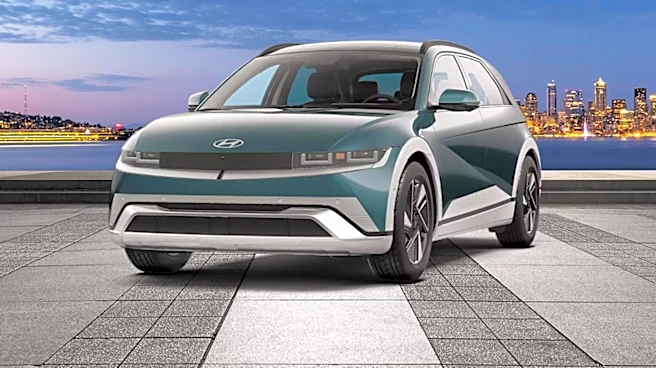
Hyundai plans to continue its strategic collaborations and investments to support the growth of Korea's robotics and AI ecosystem. This includes developing a Robot Reference Platform with NVIDIA and investing in initiatives like the Saemangeum AI Valley. In the U.S., Hyundai will produce IONIQ 5 vehicles with autonomous-ready modifications at its Metaplant in Georgia. The company also plans to establish a robot production facility in the U.S. by 2028, with an annual capacity of up to 30,000 units. These steps indicate Hyundai's commitment to becoming a leader in the Physical AI era, with potential implications for global AI and robotics industries.
Beyond the Headlines
Hyundai's vision for Physical AI could have broader implications for urban planning and development. By integrating AI into city infrastructure, there is potential for more responsive and adaptive urban environments. This could lead to improved quality of life for residents, with AI systems managing everything from traffic flow to energy consumption. However, the ethical and privacy implications of such widespread AI integration will need to be carefully considered. The success of Hyundai's vision will depend on its ability to address these challenges while fostering innovation and collaboration across industries.