








What's Happening?
Collectors are finding substantial financial value in vintage Halloween decorations, with certain items fetching hundreds to thousands of dollars on the resale market. This trend highlights a growing interest in retro memorabilia beyond contemporary decor.
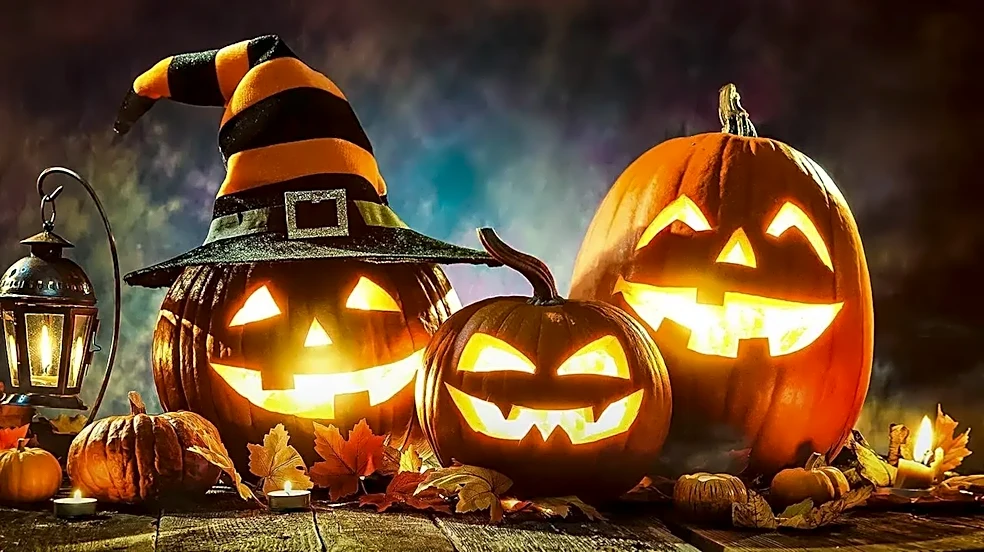
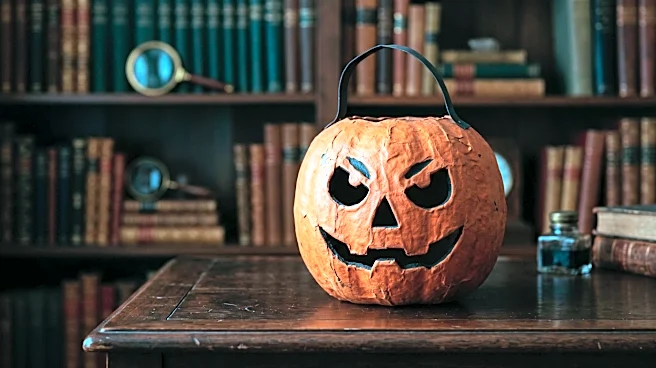
Specific items identified as highly valuable include Kirchhof tin noisemakers, particularly tambourines with black cats, devils, pumpkins, and witches, which can sell for $100 to $300, and horns, kazoos, clickers, and clappers reaching up to $375. Pulp jack-o'-lanterns from the 1930s-1950s, especially those with original paper inserts and angry or impish expressions, are valued at $200 to $300, with a rare Devil Jack-o'-lantern recently selling for over $1,000. Beistle honeycomb decorations, especially rare specimens like an intact witch and cauldron or the 1930 accordion-like Devil Dancer, can command $450 to $650. Even 20th-century Steiff Tomcats, known for their arched backs and green glass eyes, can be worth up to $400 for a pair, with larger sizes and the presence of the trademark ear button increasing their value. The scarcity of these older items, often due to their fragile nature or original use (like candles in pulp lanterns), contributes to their heightened market worth.
Why It's Important?
The surge in value for vintage Halloween decorations reflects a broader cultural shift towards appreciating and investing in nostalgic and historical artifacts. This trend impacts the collectibles market by creating new categories of high-value items, attracting both seasoned antique collectors and new enthusiasts. For individuals, it means that seemingly old or forgotten decorations stored in attics or found in antique malls could hold significant financial worth, potentially turning a hobby into a profitable venture. The market for these items is driven by rarity, condition, and the unique artistry of the period, influencing how collectors prioritize their searches and investments. This phenomenon also underscores the enduring appeal of Halloween as a cultural event, with its historical aesthetics now being recognized for their artistic and monetary value. The increased demand for these specific vintage items can also lead to a more competitive resale market, potentially driving prices even higher as more people become aware of their value.
What's Next?
The continued interest in vintage Halloween decor suggests that prices for rare and well-preserved items will likely remain strong or even increase. Collectors and enthusiasts will continue to scour antique malls, estate sales, and online marketplaces for these valuable finds. Experts advise potential sellers to carefully assess the condition and authenticity of their items, as factors like rust, missing parts, or the absence of manufacturer trademarks (like Steiff's ear button) can significantly impact value. The market may also see an increase in reproductions or fakes as the value of originals rises, necessitating greater scrutiny from buyers. As awareness of these items' worth grows, more individuals may begin to view their old holiday decorations not just as sentimental objects but as potential investments. This could lead to a more formalized market for vintage Halloween collectibles, with specialized appraisers and auction houses focusing on this niche.
Beyond the Headlines
This trend extends beyond mere financial gain, touching upon the cultural preservation of holiday traditions and artistic styles from past eras. The appeal of vintage Halloween items often lies in their unique aesthetic, which contrasts sharply with modern mass-produced decorations. These pieces offer a tangible connection to historical celebrations and the craftsmanship of earlier generations. The act of collecting these items can also be seen as a form of cultural curation, preserving a piece of American holiday history. Furthermore, the stories behind these objects—like the German origins of pulp jack-o'-lanterns or the evolution of Kirchhof's noisemakers—add layers of historical and social context, enriching the collecting experience. This movement highlights how nostalgia, combined with scarcity and artistic merit, can transform everyday objects into highly coveted and valuable artifacts, reflecting a deeper societal appreciation for heritage and authenticity in an increasingly digital world.