


What's Happening?
Custom home spa designs are increasingly featuring dedicated wellness rooms, integrating a variety of advanced bathing and recovery amenities. These spaces are designed to transform daily routines into intentional wellness experiences, moving beyond traditional
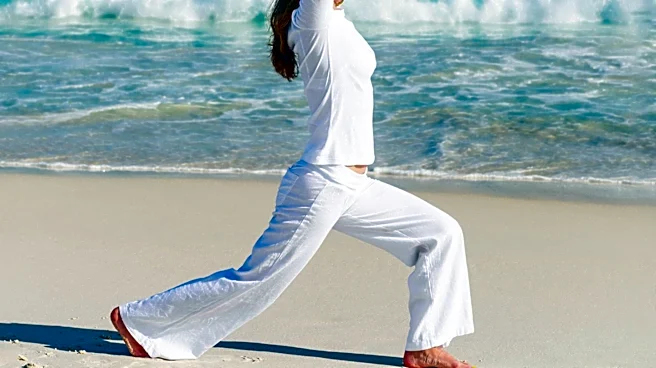
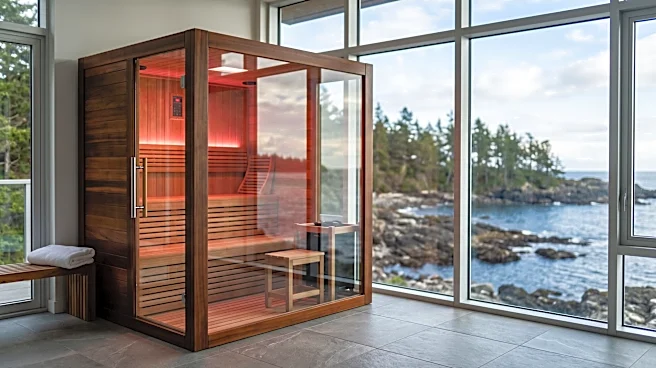
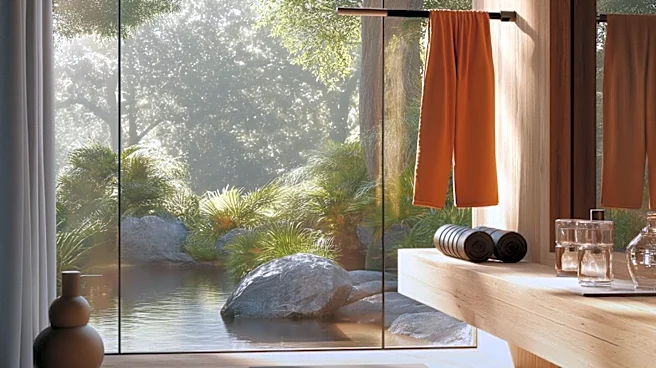
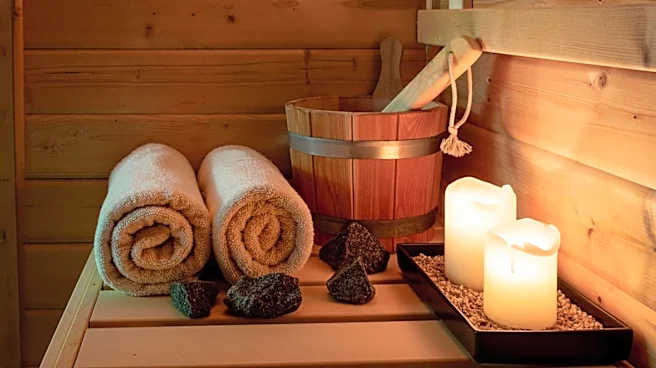
bathrooms. Key bathing features include freestanding soaking tubs, whirlpool or jetted tubs, walk-in showers, rain showers, and water tiles, with careful consideration given to placement, lighting, and material selection to ensure cohesion within the wellness space. For recovery and treatments, these rooms often include dedicated massage rooms, yoga or meditation rooms, red-light therapy areas, and compression therapy equipment. Additionally, heat-based amenities like traditional saunas, infrared saunas, salt saunas, steam rooms, and steam showers are popular. Cold and contrast therapy options, such as cold plunge tubs and chilled immersion pools, are also being incorporated, requiring precise planning for temperature control and drainage. The overall design emphasizes creating a serene atmosphere through layered lighting, natural materials, warm finishes, and thoughtful storage solutions to maintain a clutter-free environment.
Why It's Important?
The growing trend of integrating wellness rooms into custom home designs signifies a significant shift in how homeowners approach personal well-being and luxury living. This development reflects a broader societal emphasis on health, relaxation, and stress reduction, bringing spa-like experiences into the daily lives of individuals. For the U.S. housing and construction industries, this trend creates new demands for specialized design, advanced plumbing, and sophisticated climate control systems, potentially boosting sectors involved in luxury home amenities, smart home technology, and high-end material suppliers. Homeowners stand to gain enhanced convenience and accessibility to wellness practices, fostering better physical and mental health without the need for external spa visits. This also impacts the real estate market, as homes with integrated wellness spaces may command higher values, appealing to a demographic increasingly prioritizing holistic living. The emphasis on personalized, accessible wellness could also influence broader architectural trends and interior design philosophies.
What's Next?
The integration of wellness rooms into custom homes is expected to continue evolving, with further advancements in technology and design. Future developments may include more sophisticated smart home integrations for personalized climate control, lighting, and aromatherapy within these spaces. There could also be an increased demand for eco-friendly and sustainable materials in wellness room construction, aligning with broader environmental consciousness. As this trend gains momentum, we might see more specialized contractors and designers emerging to cater specifically to the unique requirements of these complex installations. Manufacturers of spa equipment, such as saunas, steam generators, and hydrotherapy tubs, are likely to innovate with more compact, energy-efficient, and aesthetically pleasing options. The hospitality industry might also draw inspiration from these residential trends, incorporating similar advanced wellness features into luxury hotels and resorts to meet evolving consumer expectations for health and relaxation amenities.
Beyond the Headlines
Beyond the immediate luxury and convenience, the rise of in-home wellness rooms reflects a deeper cultural shift towards self-care and preventative health. This trend suggests a redefinition of 'home' from merely a living space to a sanctuary for holistic well-being. Ethically, it raises questions about accessibility, as such elaborate wellness features remain largely exclusive to high-income demographics, potentially widening the gap in health and wellness opportunities. Environmentally, the increased demand for specialized equipment and energy-intensive features like heated pools and saunas could pose sustainability challenges if not managed with eco-conscious design and energy-efficient technologies. Culturally, it signifies a move away from external, communal wellness spaces towards more private, individualized experiences, which could alter social dynamics around health and relaxation. This trend also highlights the growing intersection of technology, architecture, and personal health, paving the way for future innovations that blur the lines between residential living and comprehensive wellness facilities.