
What's Happening?
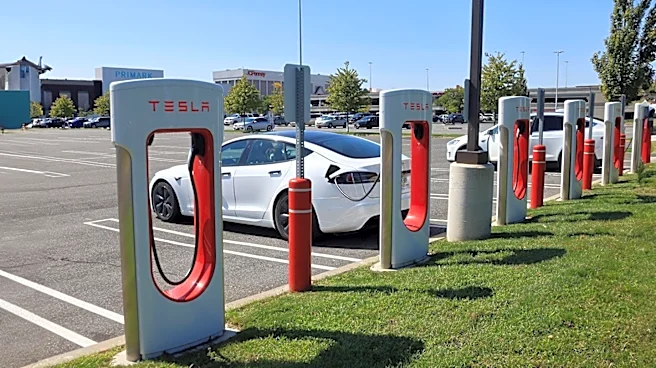
West Virginia International Yeager Airport (CRW) in Charleston, WV, has installed a new BETA Technologies charging station to support electric aircraft. This infrastructure project includes a BETA Charge
Cube for electric aircraft and a Level 2 charger for automobiles, located near Marshall University’s Bill Noe Flight School on the airport’s general aviation side. The installation was a collaborative effort involving BETA Technologies, Coalfields Development Corporation, and Appalachian Power, which provided essential electrical service. Airport Director & CEO Dominique Ranieri stated that this initiative prepares CRW for the future of aviation by enabling support for electric aircraft and creating new opportunities for the airport and West Virginia. The project involved engineering, utility service coordination, competitive bidding, construction, and installation led by CRW, with design improvements by Airport Design Consultants, Inc. (ADCI) and construction by Osborne Construction. Ranieri acknowledged the support of Senators Shelley Moore Capito and Jim Justice, Congresswoman Carol Miller, Governor Patrick Morrisey, the State of West Virginia, the Kanawha County Commission, and the City of Charleston for CRW's infrastructure projects.
Why It's Important?
The installation of electric aircraft charging infrastructure at West Virginia International Yeager Airport is a significant step towards modernizing aviation and promoting sustainable transportation in the region. This development positions CRW as an early adopter of emerging aviation technologies, potentially attracting new businesses and flight schools focused on electric aircraft. For West Virginia, it signifies a commitment to innovation and environmental responsibility, aligning with broader national and global efforts to reduce carbon emissions in the transportation sector. The partnership between the airport, BETA Technologies, and local entities like Coalfields Development Corporation and Appalachian Power demonstrates a collaborative approach to economic development and technological advancement. This infrastructure could also serve as a catalyst for job creation in maintenance, operations, and related industries, while enhancing the state's appeal for aerospace investment. Furthermore, supporting Marshall University’s Bill Noe Flight School with this technology could provide students with cutting-edge training, preparing a future workforce for an evolving aviation landscape.
What's Next?
The immediate next steps for West Virginia International Yeager Airport involve the full integration and utilization of the new BETA Technologies charging station. This will likely include operational testing, staff training, and potentially attracting more electric aircraft operators and manufacturers to use the facility. The partnership with Marshall University’s Bill Noe Flight School is expected to deepen, with students gaining hands-on experience with electric aviation technology, potentially leading to specialized training programs. The airport may also explore further expansion of its electric infrastructure as demand grows and technology evolves. From a policy perspective, this initiative could serve as a model for other regional airports, potentially influencing state and federal funding for similar projects. Continued collaboration with political leaders and local government will be crucial for securing ongoing support and resources for future aviation advancements and economic development in West Virginia.
Beyond the Headlines
The adoption of electric aircraft charging infrastructure at West Virginia International Yeager Airport represents more than just a technological upgrade; it signifies a broader shift in the aviation industry towards sustainability and innovation. This move could have profound long-term implications for regional air travel, potentially leading to quieter operations, reduced local air pollution, and lower operating costs for airlines as electric propulsion becomes more widespread. Ethically, it reflects a proactive stance on environmental stewardship, addressing concerns about climate change and the carbon footprint of air travel. Culturally, it could reshape perceptions of West Virginia as a state embracing forward-thinking technologies, moving beyond traditional industries. Economically, it positions the region to capitalize on the burgeoning electric aviation market, fostering a new ecosystem of related businesses and skilled jobs. This development could also influence urban planning around airports, as the reduced noise and emissions of electric aircraft might allow for different land-use considerations in surrounding communities.