




What's Happening?
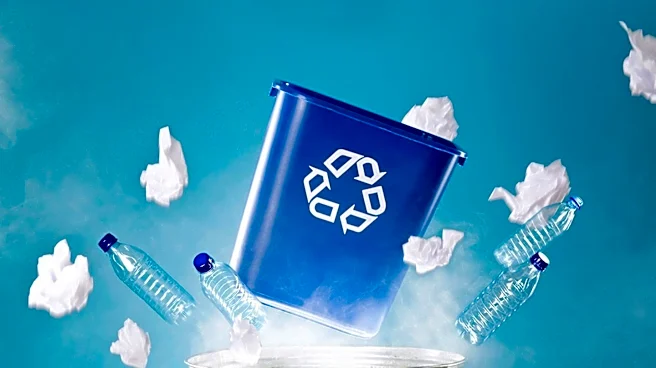
General Motors (GM) has achieved a significant milestone in electric vehicle (EV) battery sustainability by successfully implementing a closed-loop recycling pilot program. This initiative involved recovering materials from end-of-life GM EV batteries,
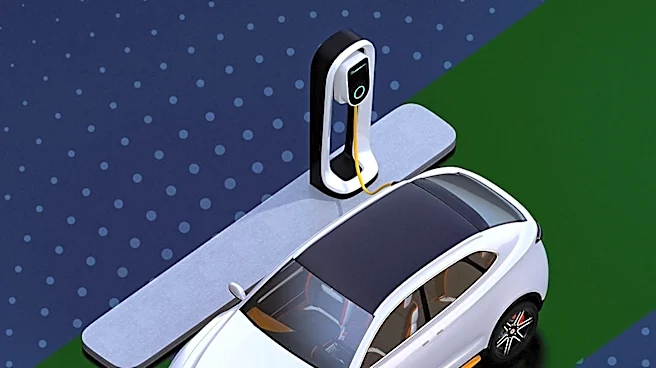
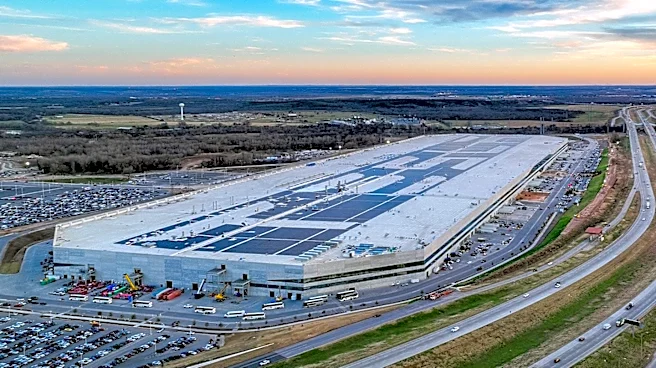
refining them, and then using these recycled minerals to produce new battery cells for new EVs. Specifically, the pilot, conducted with partner Cirba Solutions, processed 80 end-of-life GM EV batteries into 'black mass,' a blend of battery materials. This black mass was subsequently converted into over 12 metric tons of new cathode active material, comprising 100% recycled nickel, cobalt, and manganese. This recycled material was rigorously validated to meet the same quality, safety, and performance standards as virgin materials. Ultium Cells then produced new EV battery cells using this cathode active material. These cells have now been integrated into new Cadillac LYRIQ, LYRIQ-V, VISTIQ, ESCALADE IQ, IQL, Chevrolet Silverado EV Trail Boss, and GMC Sierra EV AT4 models, which have rolled off the assembly lines at Factory ZERO and Spring Hill and are now being delivered to customers.
Why It's Important?
This closed-loop recycling program is crucial for the U.S. automotive industry and the broader EV ecosystem. It addresses several critical challenges, including reducing reliance on newly extracted raw materials, mitigating the environmental impact of battery production, and strengthening supply chain resilience. Raw materials are a major cost driver in battery cells, so recovering and reusing them can lead to lower-cost batteries over time, benefiting consumers and manufacturers. Furthermore, the ability to recover substantial quantities of critical battery materials—up to 95% for nickel, cobalt, and manganese, and up to 80% for lithium with current technology—positions GM as a leader in sustainable manufacturing. This initiative also supports the development of a circular economy for EV batteries, ensuring that these critical assets continue to deliver value beyond their initial vehicle life, potentially supporting grid applications before final material recovery.
What's Next?
GM plans to build upon the foundation laid by this pilot program, using the acquired data and experience to scale up its recycling efforts. The company acknowledges that this is just the beginning, as more EV batteries will reach the end of their useful lives in the coming decade. Beyond recycling, GM's broader battery lifecycle strategy includes remanufacturing and refurbishment programs designed to reuse over 70% of pack components, extending their useful life. Additionally, GM is deploying approximately 10,000 second-life batteries into real-world energy infrastructure, including the largest second-life battery microgrid in North America, with further deployments planned at its U.S. manufacturing facilities. GM will share more insights into these innovations at Climate Week NYC, where it is a title sponsor of the Nest Campus.
Beyond the Headlines
The successful implementation of this closed-loop recycling system by GM signifies a paradigm shift in how the automotive industry approaches resource management and environmental responsibility. It highlights the ethical imperative to minimize waste and maximize resource utilization in the production of advanced technologies. This approach not only reduces the carbon footprint associated with battery materials but also sets a precedent for other manufacturers to adopt similar sustainable practices. The long-term implications include a more stable and secure domestic supply chain for critical battery minerals, reducing vulnerability to geopolitical tensions and price volatility in global markets. This move also contributes to the U.S.'s broader goals of energy independence and environmental stewardship, fostering innovation in green technology and creating new economic opportunities in the recycling and materials processing sectors.