





What's Happening?
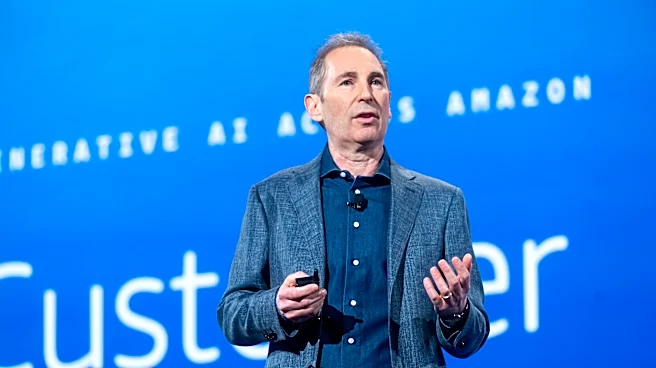
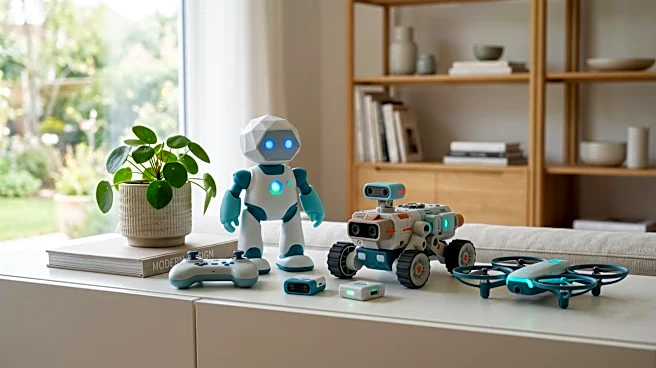
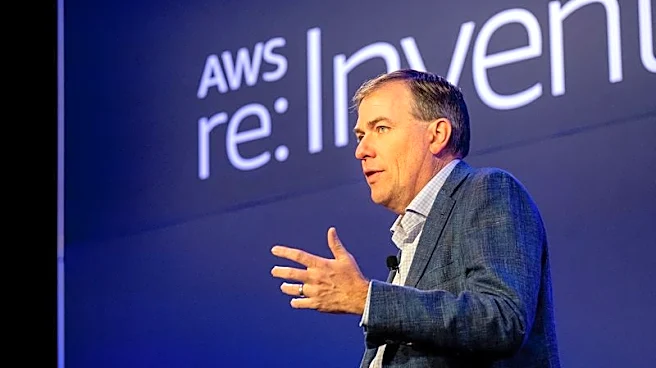
A coalition led by Fairplay has called upon Amazon CEO Andy Jassy and eBay CEO Jamie Iannone to remove over 50 AI-powered toys from their platforms. These toys reportedly failed independent safety tests, raising concerns about consumer protection. The coalition,
which includes Jonathan Haidt's Anxious Generation Movement and over 150 other signatories, argues that both marketplaces have a precedent for removing unsafe products. The groups are demanding a public response from Amazon and eBay before Christmas, emphasizing the urgency of addressing the potential hazards posed by these products. The core issue revolves around the safety and regulatory oversight of emerging AI-enabled consumer goods, particularly those marketed to children.
Why It's Important?
This demand highlights a growing concern regarding product safety in the rapidly expanding market of AI-powered consumer goods, especially toys. The failure of these products in independent safety tests suggests potential risks to children, which could range from data privacy issues to physical harm or developmental concerns. For Amazon and eBay, this situation presents a significant challenge to their roles as major online marketplaces. Their response will set a precedent for how e-commerce giants handle the responsibility of vetting and regulating products sold on their platforms, particularly those incorporating advanced technologies like AI. The involvement of a broad coalition underscores the public and advocacy groups' increasing scrutiny of tech product safety and corporate accountability.
What's Next?
Amazon and eBay are now under pressure to respond to the coalition's demands before Christmas. Their actions could include conducting internal investigations, implementing stricter safety protocols for AI-powered products, or removing the identified toys from their listings. This situation may also prompt broader discussions within the e-commerce industry and among regulators about the need for updated safety standards and certification processes for AI-enabled devices. Consumer advocacy groups will likely continue to monitor the marketplaces' responses and the safety of AI toys, potentially leading to further public campaigns or regulatory pushes if their concerns are not adequately addressed. The outcome could influence future product development and sales strategies for AI-integrated consumer goods.
Beyond the Headlines
The controversy surrounding unsafe AI toys touches upon deeper ethical and regulatory questions about artificial intelligence. Beyond immediate safety concerns, there are implications for data privacy, algorithmic bias, and the psychological impact of AI on children. The lack of clear, comprehensive safety standards for AI products means that companies and consumers are often navigating uncharted territory. This incident could serve as a catalyst for policymakers to develop more robust regulatory frameworks specifically tailored to AI technologies, ensuring that innovation does not outpace safety and ethical considerations. It also underscores the ongoing tension between rapid technological advancement and the need for consumer protection, particularly for vulnerable populations like children.