






What's Happening?
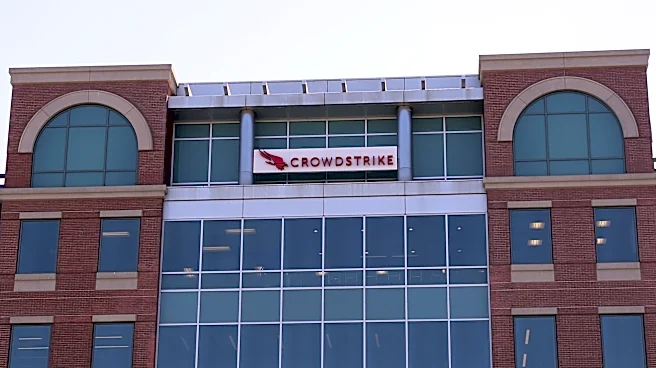
CrowdStrike is reportedly in active discussions to acquire Zscaler, a significant move that could lead to one of the largest mergers in the history of security software. This potential deal would create a combined cybersecurity entity valued at approximately
$265 billion. While negotiations are ongoing, a final agreement has not been reached, and the discussions could still conclude without a transaction. Following the news, Zscaler's shares saw a surge of 17% to 18% in after-hours trading, while CrowdStrike's stock experienced an approximate 8% drop, as investors considered the potential risks associated with integration and deal dilution. The proposed merger aims to combine CrowdStrike's expertise in cloud-native endpoint protection, which secures devices like laptops and servers through its Falcon platform, with Zscaler's pioneering cloud-delivered zero-trust network security. Zscaler, founded by CEO Jay Chaudhry, focuses on continuously verifying users and devices before granting access to corporate applications, moving away from traditional network perimeters.
Why It's Important?
This potential acquisition is significant because it would unite two major players in enterprise cybersecurity, addressing a growing trend among corporate buyers to consolidate vendors and opt for integrated security suites from a single provider. For CrowdStrike, acquiring Zscaler would fill a critical gap in its network security offerings, enabling it to compete more directly with established platform rivals like Palo Alto Networks. Palo Alto Networks' shares dipped over 3% in after-hours trading following the news, indicating the market's recognition of the competitive shift this merger could create. The deal also reflects an accelerating trend of consolidation within the cybersecurity landscape, following other large acquisitions such as Google's purchase of Wiz, Cisco's acquisition of Splunk, and Palo Alto Networks' acquisition of CyberArk. The success of this merger would depend heavily on CrowdStrike's ability to effectively integrate Zscaler's zero-trust network architecture with its Falcon endpoint platform.
What's Next?
The immediate next steps involve the continuation of negotiations between CrowdStrike and Zscaler. A final agreement would likely require the approval and backing of Jay Chaudhry, who remains Zscaler’s largest shareholder. Should the deal proceed, it would face scrutiny regarding valuation hurdles and potential antitrust concerns, given the significant market share and influence the combined entity would command in the cybersecurity sector. The integration process itself would be a critical phase, as CrowdStrike would need to seamlessly merge Zscaler's zero-trust network architecture with its existing Falcon endpoint platform. The market will be closely watching for further announcements regarding the progress of these discussions and any potential regulatory challenges that may arise. The outcome of these talks will also influence the competitive landscape, particularly for companies like Palo Alto Networks, which could face increased competition from a unified CrowdStrike-Zscaler entity.
Beyond the Headlines
Beyond the immediate financial and competitive implications, this potential merger highlights a broader strategic shift in the cybersecurity industry towards comprehensive, integrated security platforms. The move away from siloed security solutions to unified suites reflects the increasing complexity of cyber threats and the need for more cohesive defense mechanisms. The emphasis on zero-trust architecture, pioneered by Zscaler, underscores a fundamental change in how organizations approach security, moving from perimeter-based defenses to a model where every user and device is continuously verified. If successful, this merger could set a new standard for cybersecurity offerings, pushing other industry players to accelerate their own integration and platform expansion strategies. It also raises questions about market concentration and the potential for reduced competition if major players continue to consolidate, which could impact innovation and pricing in the long term. The deal could also influence how enterprises budget for and implement their cybersecurity strategies, favoring vendors that offer end-to-end solutions.