








What's Happening?
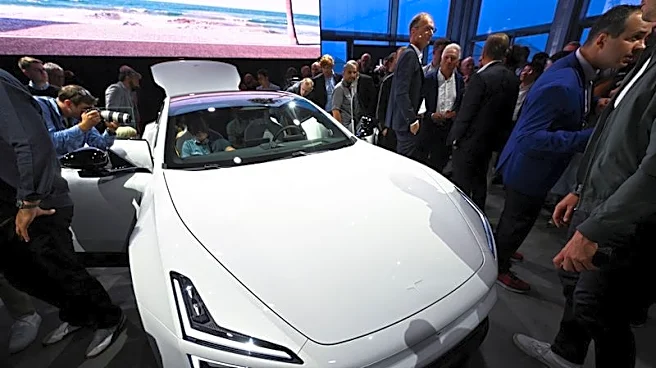
The U.S. Department of Commerce has announced a ban on Polestar vehicle sales in the U.S. starting from the 2027 model year, citing the Biden-era Connected Vehicle Rule. This rule prohibits the import and sale of vehicles with software from China and Russia.
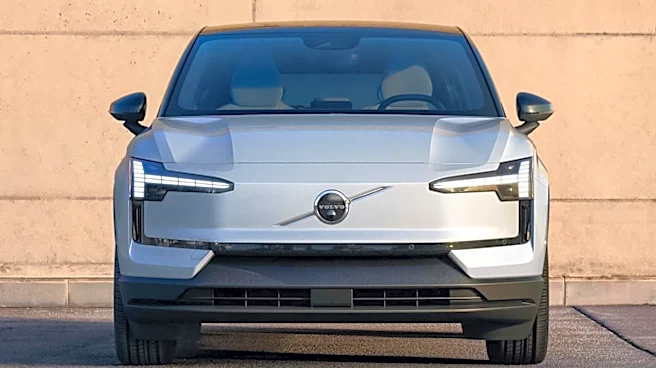
Polestar, majority-owned by China's Geely, will continue to sell existing stock and honor warranties but will not market new vehicles in the U.S. The decision impacts Polestar's reputation and sets a precedent for other Geely brands. While Volvo Cars received authorization to continue U.S. sales, other brands like Lotus remain uncertain. Polestar plans to focus on European expansion, with the Polestar 7 to be built in Slovakia.
Why It's Important?
The ban on Polestar highlights the U.S. government's strict stance on Chinese-made or owned automotive brands, particularly concerning software provenance and data governance. This decision could have broader implications for the automotive industry, affecting not only Chinese brands but also any vehicle with significant Chinese software content. The move underscores the geopolitical tensions influencing trade and technology policies. For Polestar, the ban limits its market presence in the U.S., a minor but strategic market, and emphasizes the need for diversification and compliance with international regulations.
What's Next?
Polestar's response involves accelerating its European expansion, with plans to produce the Polestar 7 in Slovakia. This strategy aims to circumvent EU tariffs on Chinese-made EVs and insulate the company from U.S. regulations. Other automakers are closely watching the situation to understand the implications of the Connected Vehicle Rule and whether compliance can be achieved through architectural changes. The decision serves as a warning to other brands with Chinese ties, prompting them to evaluate their software and data governance strategies to maintain market access.