




What's Happening?
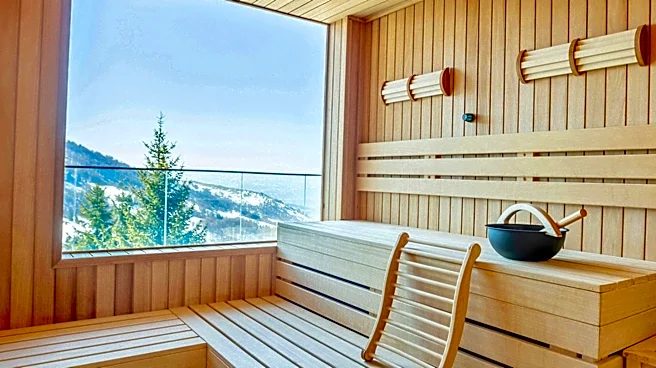
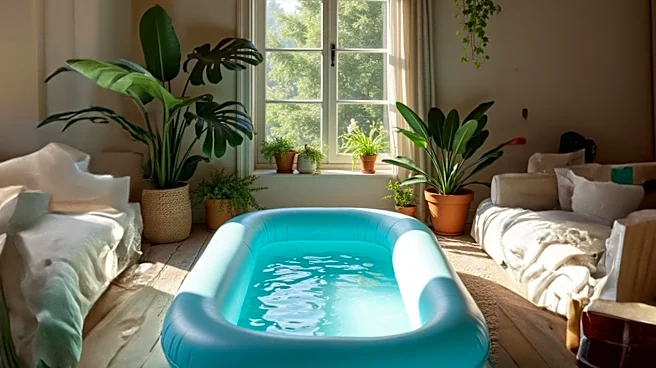
Homeowners in the U.S. are increasingly integrating cold plunges into their indoor living spaces, moving beyond traditional backyard or gym installations. This trend is evidenced by a 74% year-over-year increase in searches for 'cold plunge' and a 69%
rise in 'indoor sauna' searches, as reported by Houzz’s 2024 Summer Trends Report. The growing interest is driven by the perceived wellness benefits of cold therapy, such as reduced muscle soreness, improved sleep, and stress reduction, though scientific research is ongoing to fully validate these effects. Designers like Stephanie Larsen are noting a higher demand from clients for homes equipped with wellness technology, including cold plunges, infrared saunas, and integrated aromatherapy systems. Manufacturers like Hydro Systems are responding by developing innovative solutions, such as freestanding tubs with built-in cold-plunge capabilities and self-contained units that provide both hot and cold water, eliminating the need for traditional plumbing connections. This allows for more flexible installation in various home settings, from dedicated wellness rooms to smaller bathrooms.
Why It's Important?
The surge in demand for indoor cold plunges signifies a broader shift in residential design towards intentional wellness spaces within the home. This trend impacts the U.S. home improvement and luxury appliance industries, creating new market opportunities for manufacturers and designers specializing in hydrotherapy and wellness technologies. Companies like Hydro Systems are at the forefront, innovating products that integrate multiple hydrotherapy experiences into single units, making these amenities more accessible for homeowners with varying space constraints. The emphasis on 'homes that heal and inspire' reflects a changing consumer priority, where health and well-being are becoming central to lifestyle choices and home investments. This could lead to increased competition and innovation in the wellness technology sector, potentially driving down costs and making these features more mainstream. Furthermore, the integration of smart-home controls for these systems indicates a convergence of wellness and smart living, offering convenience and personalized experiences to users.
What's Next?
The trend of integrating indoor cold plunges and other wellness features into homes is expected to continue, prompting further innovation in design and technology. Manufacturers will likely focus on developing more compact, multi-functional, and energy-efficient units to cater to diverse housing types, including smaller homes and apartments. The integration of smart-home systems will also advance, allowing for greater control and customization of wellness routines. Designers will continue to explore creative ways to incorporate these features into existing and new constructions, potentially leading to new architectural trends centered around home wellness. As scientific research into the benefits of cold therapy progresses, consumer confidence and demand may further increase, solidifying cold plunges as a standard amenity in modern homes. The market may also see an expansion of related services, such as professional installation and maintenance for these specialized home wellness systems.
Beyond the Headlines
The rise of indoor cold plunges reflects a deeper cultural shift towards proactive health management and self-care within the home environment. This trend moves beyond mere luxury, suggesting a growing desire among consumers to create personal sanctuaries that support physical and mental well-being. The emphasis on 'wellness rooms' and integrated hydrotherapy experiences points to a holistic approach to health, where daily routines are designed to mitigate stress and promote recovery. This could have long-term implications for how residential spaces are conceived and marketed, with wellness features becoming as important as traditional amenities. Ethically, as these technologies become more prevalent, questions around accessibility and affordability may arise, potentially creating a divide between those who can afford such home wellness solutions and those who cannot. Legally, there may be evolving standards for installation and safety as these specialized systems become more common in residential settings.