







What's Happening?
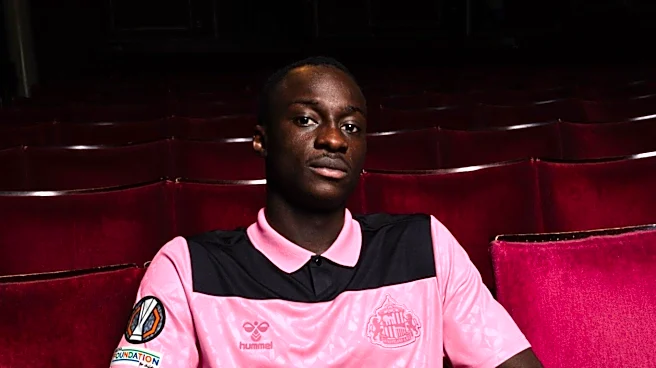
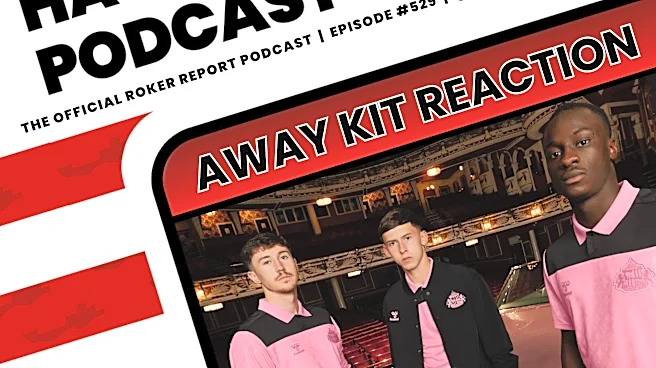
Sunderland's new pink away kit has generated a wide range of opinions among fans, as highlighted in a series of letters published by Roker Report. The kit, which is part of a collaboration with the Elvis Presley estate, has been both praised and criticized.
Some fans appreciate the innovative approach and the promotional video that accompanies the kit, which features the Stadium of Light crowd. However, others are less enthusiastic, expressing concerns about the kit's appearance and its appeal to different demographics. The kit aims to increase the club's global appeal, but reactions have been polarized, with some fans loving the bold move while others are less impressed.
Why It's Important?
The introduction of Sunderland's pink away kit is significant as it reflects the club's efforts to expand its brand and appeal to a broader audience. By collaborating with the Elvis Presley estate, Sunderland is attempting to leverage cultural icons to enhance its visibility and marketability. This move could potentially attract new fans and increase merchandise sales, contributing to the club's financial health. However, the mixed reactions highlight the challenges sports teams face when balancing tradition with innovation. The kit's reception could influence future marketing strategies and decisions regarding team branding.
What's Next?
As Sunderland continues to promote its new away kit, the club will likely monitor fan feedback and sales performance to assess the success of this initiative. The addition of a new sponsor to the kit, which is yet to be announced, could further impact its reception. The club may also consider additional marketing campaigns or collaborations to maintain engagement with fans and attract new supporters. The outcome of this initiative could inform future decisions on kit designs and marketing strategies, as the club seeks to balance innovation with fan expectations.
Beyond the Headlines
The introduction of the pink away kit raises broader questions about the role of sports teams in cultural branding and the potential risks of alienating traditional fan bases. The collaboration with the Elvis Presley estate suggests a strategic move to tap into cultural nostalgia and iconic imagery, which could set a precedent for future partnerships. This approach highlights the evolving nature of sports marketing, where teams increasingly seek to differentiate themselves in a crowded market. The success or failure of this initiative could influence how other clubs approach branding and fan engagement.