






What's Happening?
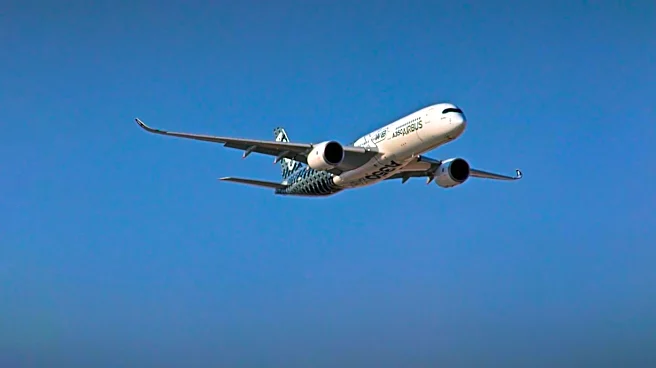
Lufthansa Technik has entered into a 10-year Support and Services Agreement with Safran Landing Systems to enhance maintenance capabilities for Airbus A350 landing gear. This agreement includes the supply of certified spare parts, technical and engineering
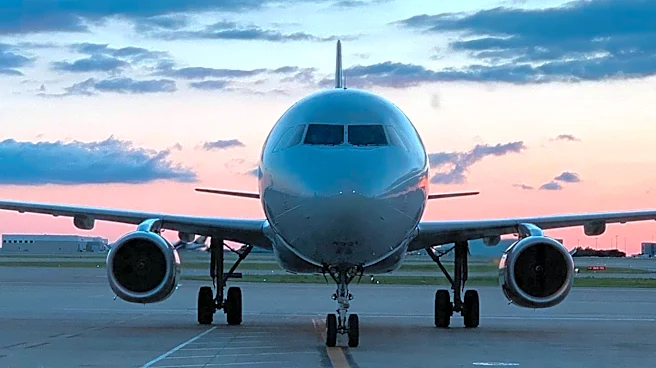
assistance, and access to updated maintenance documentation. The collaboration aims to support the development of A350 maintenance at Lufthansa Technik's Landing Gear Services in London. This move comes as the A350, which entered service in 2015, approaches its first round of heavy checks, expected every 12 years. The agreement also covers other Airbus platforms such as the A320, A330, and A340. Safran, the manufacturer of the A350's main landing gear, will provide Lufthansa Technik with the latest data and repair solutions. This partnership is part of a broader strategy to meet the growing demand for widebody aircraft maintenance as Airbus plans to increase A350 production.
Why It's Important?
The agreement between Lufthansa Technik and Safran is significant as it addresses the increasing demand for maintenance services for the Airbus A350, a key player in the widebody aircraft market. As the A350 fleet ages, the need for reliable maintenance solutions becomes critical to ensure operational efficiency and safety. This partnership not only strengthens Lufthansa Technik's position in the maintenance, repair, and overhaul (MRO) market but also supports Airbus's production goals. By enhancing maintenance capabilities, the agreement helps airlines manage costs and maintain fleet reliability, which is crucial in a competitive aviation industry. Additionally, the collaboration reflects the industry's shift towards more sustainable and efficient aircraft operations, aligning with global trends in aviation.
What's Next?
As the A350 fleet continues to age, Lufthansa Technik and Safran are likely to expand their collaboration to include more comprehensive maintenance solutions. The increased production of A350s by Airbus, aiming for 12 aircraft per month by 2028, will further drive demand for maintenance services. This could lead to additional agreements or expansions in service offerings to support the growing fleet. Airlines operating A350s will benefit from improved access to maintenance resources, potentially leading to enhanced operational efficiency and reduced downtime. The partnership may also set a precedent for similar collaborations in the aviation industry, focusing on long-term maintenance strategies for new-generation aircraft.