


What's Happening?
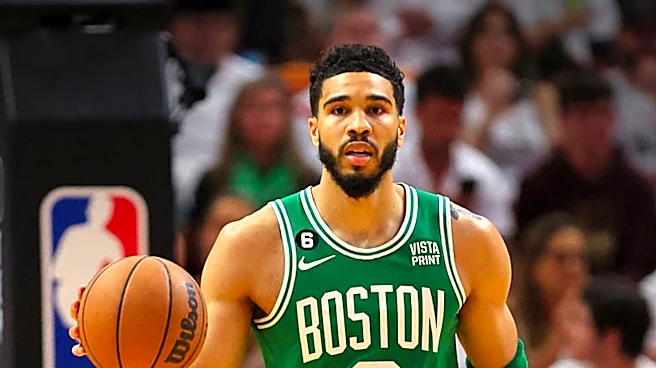
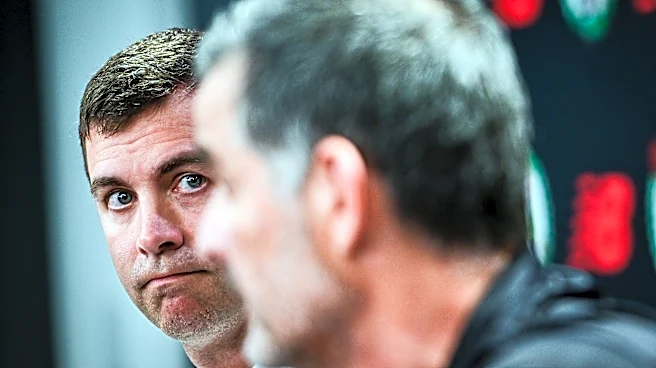
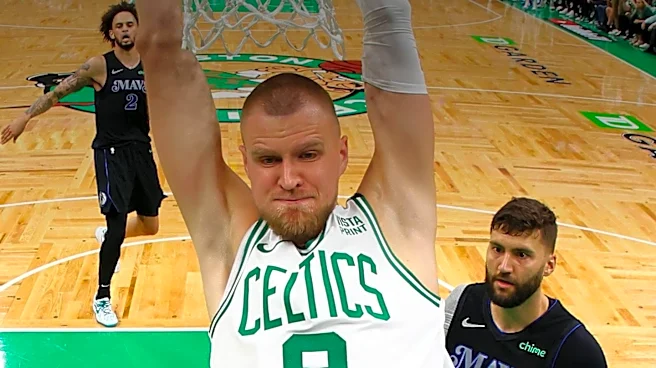
The Boston Celtics are navigating a complex offseason, marked by significant financial decisions and strategic moves. Under the leadership of Brad Stevens, the team has made bold choices, including trading Jaylen Brown for Paul George and draft picks.
These moves are part of the Celtics' efforts to manage their financial commitments under the new CBA's second apron, which imposes stricter financial constraints on high-spending teams. The Celtics aim to maintain competitiveness while exploring options to enhance their roster, but questions remain about their long-term strategy and future direction.
Why It's Important?
The Celtics' offseason decisions highlight the challenges teams face under the NBA's new financial regulations. The second apron is designed to curb excessive spending, forcing teams like the Celtics to make difficult choices regarding player contracts and trades. These constraints could impact the team's ability to retain talent and pursue new acquisitions, affecting their competitiveness in the league. The Celtics' approach serves as a case study for other teams navigating similar financial landscapes, offering insights into the strategic considerations involved in building a successful roster under the current CBA.
What's Next?
As the Celtics continue to adjust to the new financial realities, they will need to carefully evaluate their roster and potential trade opportunities. The team's ability to balance financial constraints with competitive aspirations will be crucial in determining their success in the upcoming season. Fans and analysts will be watching closely to see how the Celtics manage their resources and whether they can position themselves as contenders in the Eastern Conference. The outcome of these efforts could influence future CBA negotiations and the broader financial landscape of the NBA.