



What's Happening?
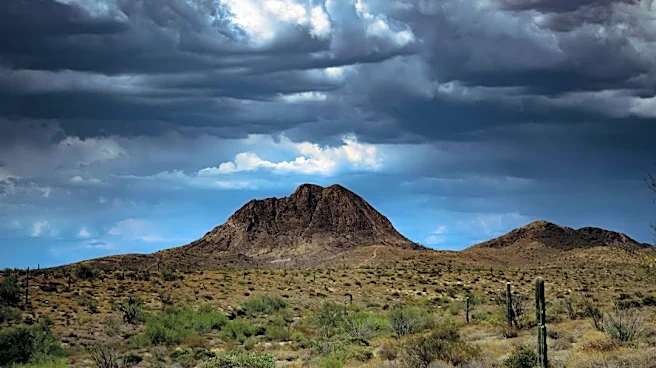
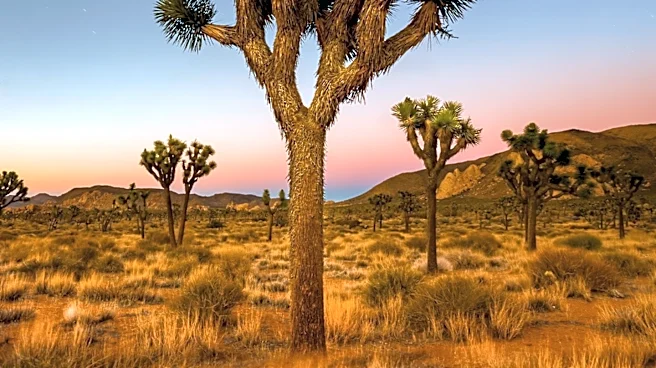
Joshua Tree is experiencing cooler-than-expected nights as late October transitions into November, with temperatures dropping into the low to mid-50s Fahrenheit. The National Weather Service forecasts lows near 56°F and 53°F for upcoming nights, with showers
likely over the weekend of October 31-November 1, bringing lows around 52-54°F. The National Park Service notes that Joshua Tree winters can be surprisingly chilly. Daylight Saving Time ends on November 1, causing sunset to occur an hour earlier. In response to the colder weather, local businesses like JT Trading Post are highlighting products designed for cozy desert evenings, including candles with desert scents, warm mugs for beverages, and soft layers for warmth.
Why It's Important?
The shift to colder temperatures in Joshua Tree significantly impacts tourism and local commerce. Visitors, often unprepared for the desert's chilly nights, may seek out local businesses for appropriate clothing and comfort items, boosting sales for retailers like JT Trading Post. The National Park Service's advisory about surprisingly chilly winters serves as a crucial reminder for tourists to plan accordingly, potentially influencing packing decisions and activity choices. For local residents, the change in weather signals a shift in daily routines and energy consumption. The end of Daylight Saving Time further alters the evening experience, making early sunsets a factor for both residents and visitors planning outdoor activities, particularly those related to the Joshua Tree National Park.
What's Next?
As winter progresses, Joshua Tree is expected to experience even colder temperatures, with the National Park Service advising that winters can be surprisingly chilly. Local businesses will likely continue to promote seasonal products catering to the colder weather, such as candles, warm beverages, and apparel. Visitors planning trips to Joshua Tree National Park in the coming months should anticipate and prepare for cold nights, bringing appropriate layers and gear. The earlier sunsets due to the end of Daylight Saving Time will remain a factor, influencing evening activities and potentially increasing demand for indoor entertainment or early dining options. The National Weather Service will continue to provide updated forecasts, which will be crucial for both residents and tourists to monitor.
Beyond the Headlines
The seasonal shift in Joshua Tree highlights the unique challenges and opportunities presented by desert environments. The stark contrast between warm days and cold nights, particularly in late autumn and winter, underscores the importance of adaptability for both human inhabitants and the local ecosystem. For businesses, this seasonal change fosters a niche market for products that enhance comfort and warmth, reflecting a localized economic response to environmental conditions. Culturally, the concept of a 'cozy season' in the desert encourages a different appreciation of the landscape, moving from daytime exploration to evening relaxation by a warm fire or with comforting items. This also subtly influences the type of tourism, potentially attracting visitors seeking a tranquil, reflective experience rather than solely outdoor adventure, thereby diversifying the region's appeal.