
What's Happening?
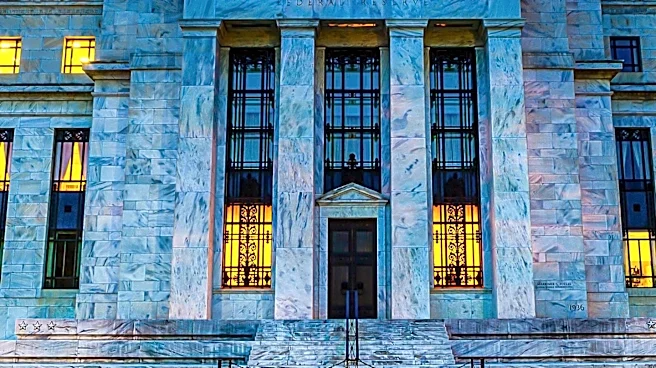
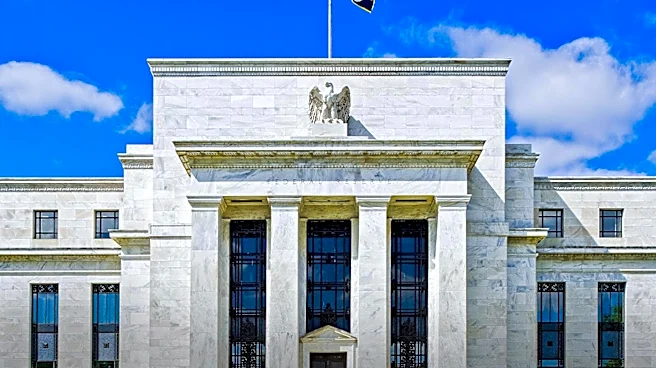
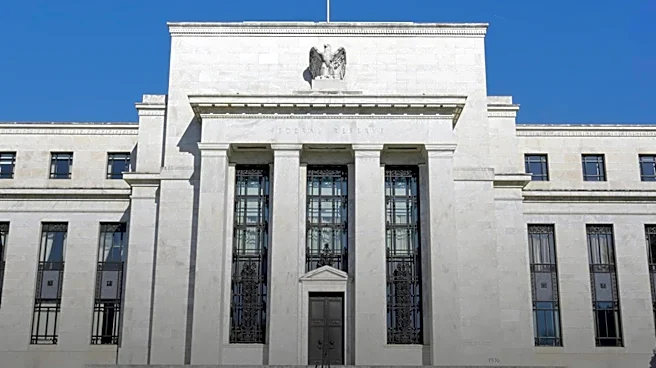
Activist investor Bill Ackman has publicly criticized the Federal Reserve's adherence to a 2% inflation target, calling it 'misguided' and warning against a potential interest rate hike in December. In a post on X, Ackman stated that such a hike would
be a 'mistake' given the current 'massively tightening financial conditions.' He highlighted that the cost of equity capital has significantly increased, citing SpaceX's recent secured debt financing at 8.259% compared to its unsecured bond offering below 6% at IPO. Ackman argues that global factors such as geopolitical risk, increased military spending, de-globalization, tariffs, and massive AI infrastructure investments were not present when the 2% target was established. He believes a 3% inflation target is more realistic and that pursuing 2% could lead to a recession in the U.S. and globally. Other Wall Street economists, including James E. Thorne and Peter Schiff, have echoed similar concerns regarding the Fed's potential policy decisions.
Why It's Important?
Bill Ackman's critique of the Federal Reserve's inflation target and interest rate policy carries significant weight due to his influence as a prominent hedge fund manager. His arguments suggest a potential misalignment between the Fed's objectives and current economic realities, which could have profound implications for U.S. financial markets and the broader economy. If the Fed proceeds with a rate hike as widely anticipated (CME FedWatch tool indicates a 93.2% probability), it could exacerbate tightening financial conditions, potentially hindering economic growth and investment. Businesses, particularly those reliant on capital, could face higher borrowing costs, impacting expansion and job creation. Conversely, if the Fed were to consider a higher inflation target, it could provide more flexibility for monetary policy, potentially stimulating economic activity but also risking sustained price increases. The debate highlights a critical juncture for U.S. monetary policy, with stakeholders closely watching how the Fed balances inflation control with economic stability.
What's Next?
The Federal Reserve is scheduled to hold its final policy meeting of 2026 in December, where a decision on interest rates will be made. Despite Ackman's warnings, market expectations, as indicated by the CME FedWatch tool, overwhelmingly point towards a 25-basis-point rate hike. Should the Fed proceed with the hike, it will likely face continued scrutiny from economists and investors who believe the 2% inflation target is outdated. The immediate aftermath could see further volatility in stock and bond markets as investors react to the Fed's stance. The ongoing debate about the appropriate inflation target may also intensify, potentially leading to calls for a re-evaluation of the Fed's long-term monetary policy framework. The economic data released in the coming months, particularly inflation figures and employment reports, will be crucial in shaping future policy discussions and market sentiment.
Beyond the Headlines
The discussion initiated by Bill Ackman extends beyond immediate interest rate decisions, touching upon fundamental questions about the Federal Reserve's mandate and its adaptability to a changing global economic landscape. The argument that geopolitical shifts, de-globalization, and the rise of AI infrastructure necessitate a re-evaluation of the 2% inflation target suggests a deeper structural change in the global economy. This could imply that traditional economic models and policy tools may no longer be fully adequate. The ethical and societal implications of maintaining a potentially unrealistic inflation target include the risk of unnecessarily stifling economic growth and employment, disproportionately affecting different segments of the population. A prolonged period of tight monetary policy, driven by an inflexible 2% target, could also impact the U.S.'s competitive position globally, especially in emerging sectors like AI that require significant capital investment. This debate could trigger a broader re-assessment of central bank independence and accountability in an increasingly complex world.