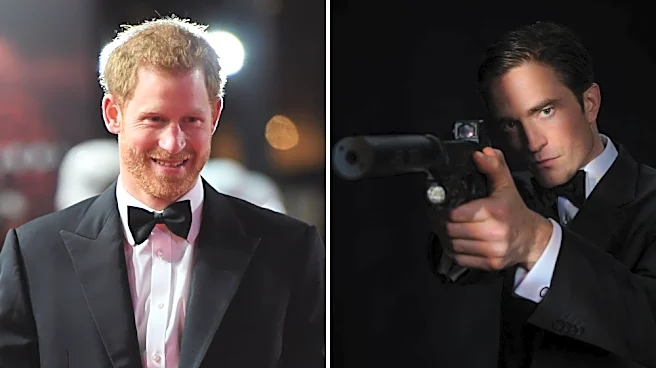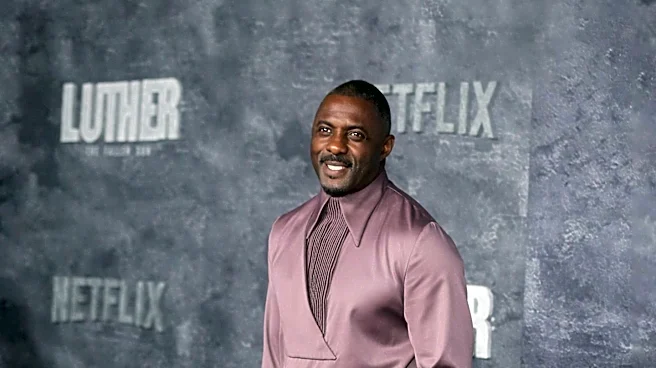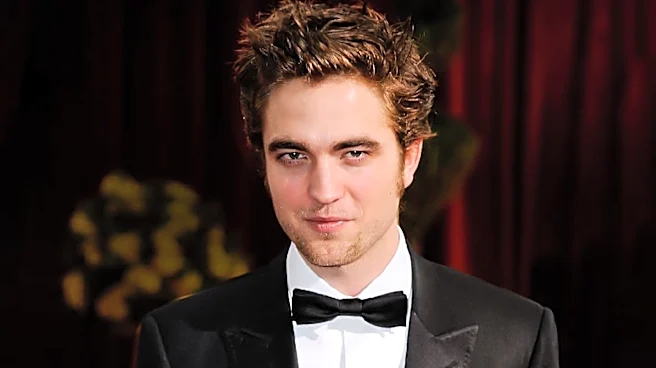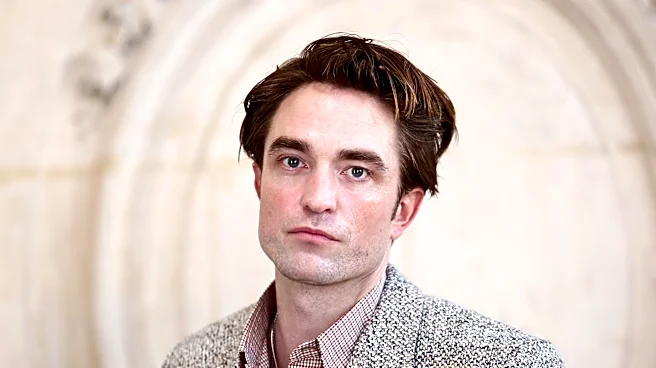




What's Happening?
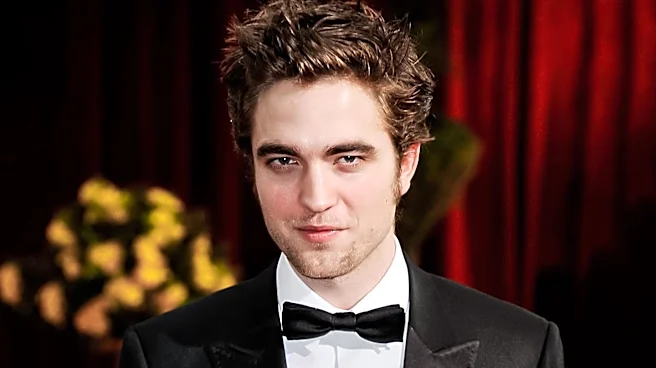
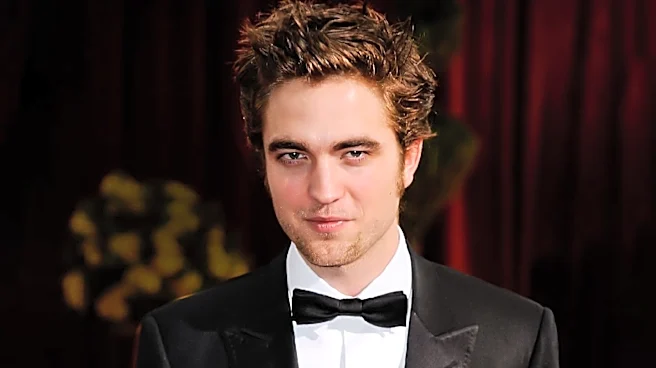
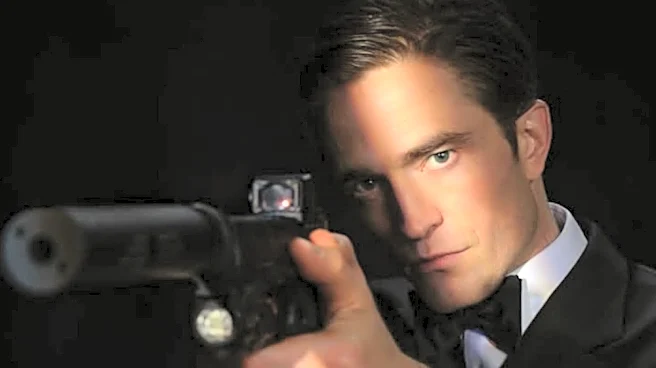
Amazon MGM has announced that Robert Pattinson will portray the next James Bond, leading to immediate speculation within the fashion industry regarding the character's on-screen attire. Pattinson, a long-standing ambassador for Dior, raises the possibility
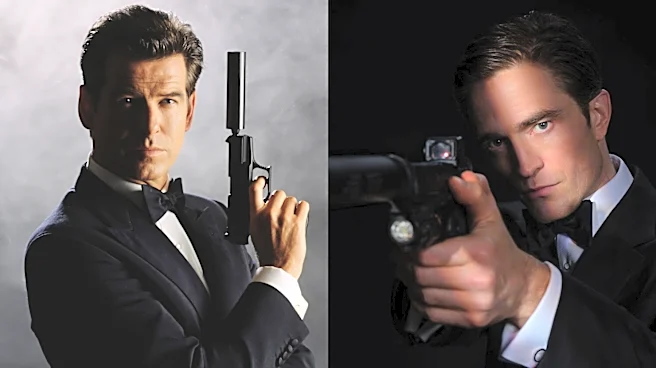
that the French luxury brand could take over from Tom Ford, which previously dressed Daniel Craig in his Bond films. Adding complexity to the costume design is the rumor that the new film, penned by Steven Knight and directed by Denis Villeneuve, will be an origin story set in the 1950s. This historical setting presents a challenge for Dior, as the brand did not have a menswear line during that era. Menswear commentator Derek Guy, known as @dieworkwear on X, noted that Ian Fleming's original Bond was not depicted as a fashion-conscious individual. In the 1950s, upper-class British gentlemen typically avoided following fashion trends, opting instead for conventional Savile Row cuts that were designed to be unremarkable. This contrasts with the more distinctive and often remarked-upon style associated with later iterations of James Bond.
Why It's Important?
The casting of Robert Pattinson as James Bond and the subsequent discussion about his wardrobe highlight the significant influence of fashion in major film franchises. The potential shift from Tom Ford to Dior for Bond's attire could represent a substantial marketing opportunity for the chosen luxury brand, given the global reach and iconic status of the 007 character. This decision also reflects broader trends in product placement and brand partnerships within the entertainment industry, where high-profile collaborations can generate considerable revenue and brand visibility. Furthermore, the rumored 1950s setting for the origin story introduces a unique challenge for costume designers, requiring a balance between historical accuracy and the established stylish image of James Bond. This could influence how period films approach character styling, potentially leading to a re-evaluation of how classic characters are presented in contemporary cinema. The choice of wardrobe will not only define Pattinson's portrayal but also set a new aesthetic benchmark for the franchise, impacting fashion trends and consumer perceptions of luxury menswear.
What's Next?
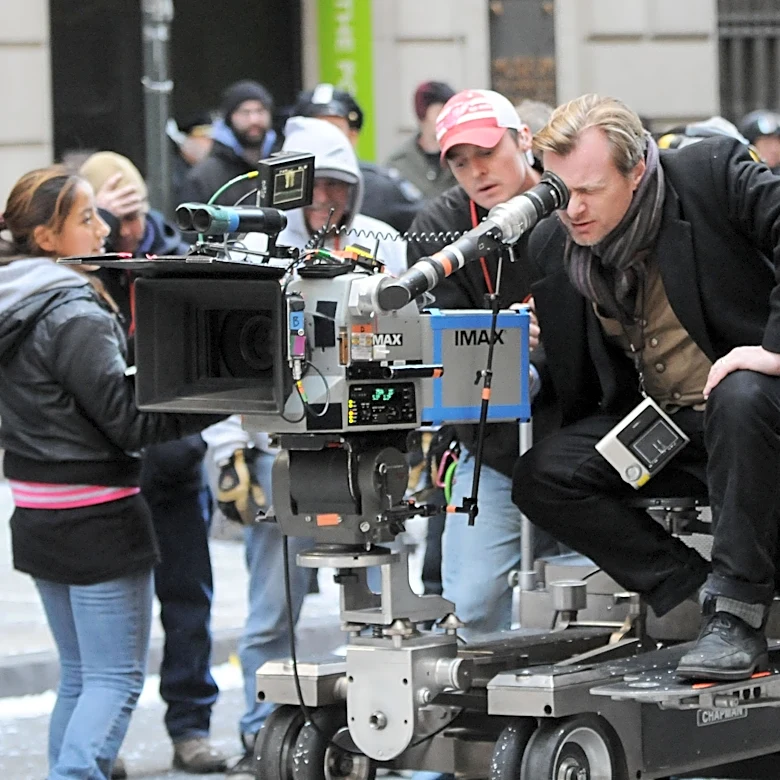
As the production of the new James Bond film progresses, further details regarding the costume design and official brand partnerships are anticipated. The creative team, including director Denis Villeneuve and screenwriter Steven Knight, will need to decide how to reconcile the rumored 1950s setting with the modern expectations of James Bond's sartorial elegance. This could involve a nuanced approach to period-appropriate menswear, potentially drawing inspiration from classic Savile Row tailoring while incorporating subtle elements that hint at the character's future iconic style. Fashion houses like Dior, if chosen, would likely begin extensive design processes to create a wardrobe that aligns with both the historical context and the brand's contemporary aesthetic. The announcement of the official costume designer and the unveiling of early concept art or costume sketches will be keenly watched by both fashion enthusiasts and Bond fans, as these elements will offer the first visual clues about the direction of Pattinson's portrayal of 007.
Beyond the Headlines
The discussion surrounding James Bond's wardrobe extends beyond mere fashion choices, touching upon the character's evolving identity and cultural representation. The original Bond, as envisioned by Ian Fleming, was a man of substance rather than overt style, reflecting a certain British upper-class disdain for overt trend-following. The shift towards more designer-led wardrobes in later films, particularly with Daniel Craig's era dressed by Tom Ford, signifies a broader cultural move towards associating luxury brands with aspirational masculinity. If Dior takes over, it could further cement this trend, potentially influencing how male characters in popular culture are styled and perceived. The challenge of dressing a 1950s Bond also highlights the tension between historical authenticity and audience expectations shaped by decades of cinematic portrayal. This decision will reflect not only on the film's aesthetic but also on the ongoing dialogue about how classic literary figures are reinterpreted for contemporary audiences, balancing tradition with modern sensibilities and commercial imperatives.