


What's Happening?
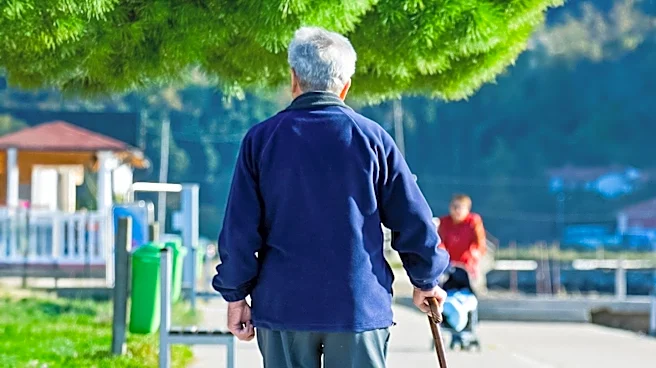
Experienced personal trainer Jacob Siwicki, co-founder of Siwicki Fitness, has recommended five bodyweight exercises to help seniors build functional strength and mobility. These exercises are particularly beneficial for individuals over 60, aiming to reduce
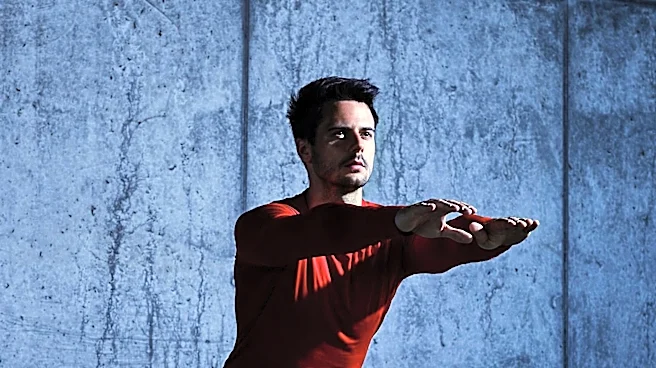
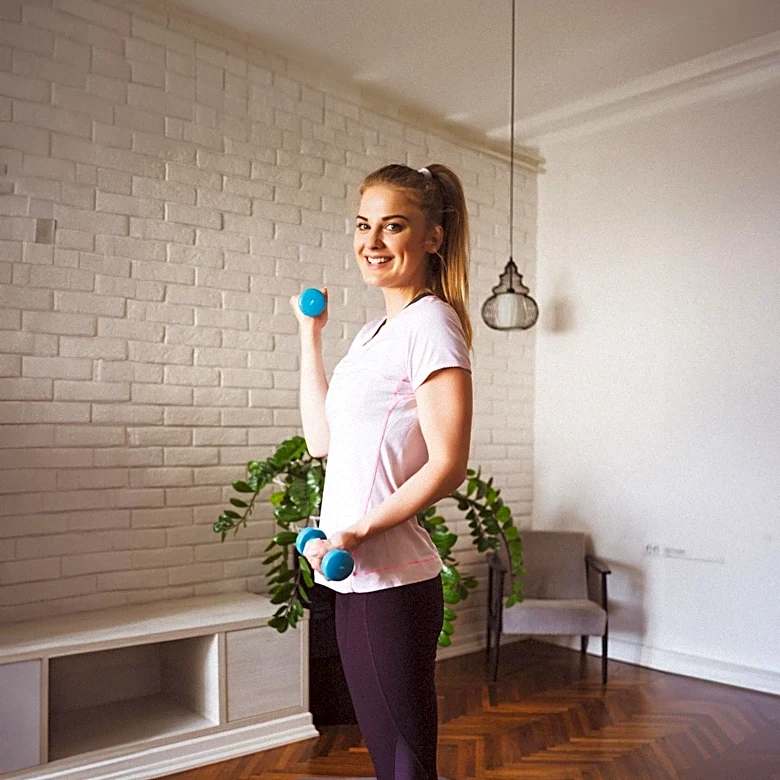
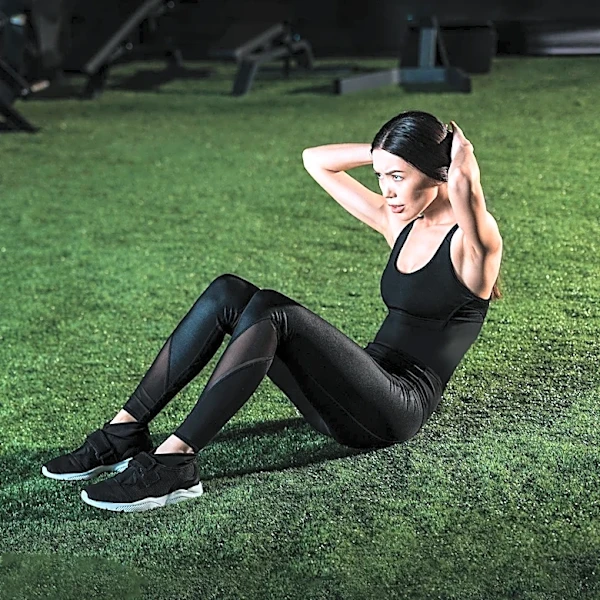
the risk of falls, protect bones, and slow muscle loss associated with aging. The recommended exercises include planks, pushups, wall sits, crunches, and supported single-leg deadlifts. Siwicki emphasizes that these exercises can be modified for beginners, such as starting planks on knees or pushups against a wall, and gradually progressing as strength improves. He advises performing a quick warm-up followed by 30 seconds of each exercise, repeating the circuit three times. Once these exercises become easy, increasing resistance by adding weights is suggested.
Why It's Important?
The recommendations from Jacob Siwicki highlight the critical importance of strength training for the aging U.S. population. As individuals age, muscle loss and decreased bone density become significant health concerns, increasing the risk of falls and related injuries. By promoting accessible bodyweight exercises, Siwicki's advice offers a practical and cost-effective solution for seniors to maintain their physical independence and overall well-being. This approach can lead to a reduction in healthcare costs associated with fall-related injuries and chronic conditions linked to sedentary lifestyles. Furthermore, improving functional strength allows seniors to perform daily activities with greater ease, enhancing their quality of life and potentially reducing reliance on assisted living or long-term care facilities. The emphasis on gradual progression and modifiable exercises makes these recommendations suitable for a wide range of fitness levels within the senior demographic.
What's Next?
Individuals interested in implementing these exercises are encouraged to consult with a qualified professional, especially if recovering from an injury, to receive personalized advice. The next step for those adopting these recommendations would be to consistently incorporate these bodyweight exercises into their routine, gradually increasing intensity or adding resistance as their strength and mobility improve. Fitness platforms and personal trainers may further develop programs based on these principles, catering specifically to the senior demographic. There could also be an increased focus on community-based fitness programs in the U.S. that promote functional strength training for older adults, potentially leading to broader public health initiatives aimed at fall prevention and healthy aging.
Beyond the Headlines
Beyond the immediate physical benefits, the emphasis on functional training for seniors touches upon broader societal implications regarding active aging and the perception of fitness in later life. This approach challenges the notion that intense gym workouts are the only path to strength, offering a more inclusive and accessible alternative. It underscores the ethical responsibility of promoting health and wellness across all age groups, recognizing the unique needs of seniors. Culturally, it could foster a greater appreciation for bodyweight exercises and their role in maintaining long-term health, shifting focus from purely aesthetic goals to functional capabilities. The long-term shift could see a greater integration of preventative health measures into daily life, empowering seniors to take a more active role in their health management and contributing to a more resilient and independent older population.