


What's Happening?
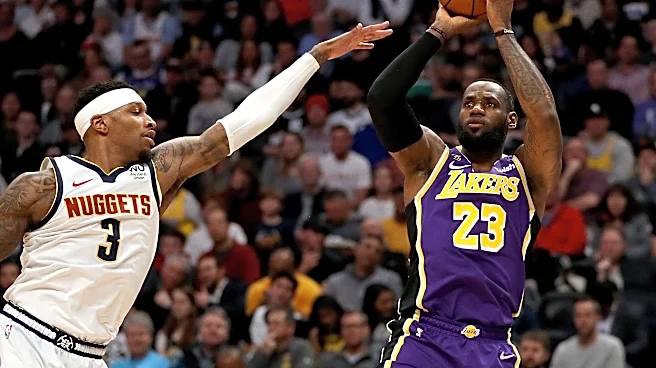
NBA player Kyle Kuzma, a forward for the Los Angeles Lakers during their 2019-20 championship season, has publicly characterized the NBA's Orlando Bubble experience as a 'prison for athletes.' Kuzma stated that the confined and controlled environment,
necessitated by the global pandemic, was a significant challenge for players. He expressed that the lifestyle within the bubble, which involved living in 300-square-foot rooms for three months at Walt Disney World, was contrary to the comfort and freedom professional athletes are accustomed to. According to Kuzma, the isolation and inability to leave the designated area made the experience miserable for many, despite the availability of recreational activities within the bubble. His comments have reignited discussions about the mental and emotional toll the bubble took on players, with some fans and other athletes offering contrasting views.
Why It's Important?
Kuzma's remarks are important as they shed light on the psychological impact of the unprecedented measures taken to complete the 2019-20 NBA season amidst the COVID-19 pandemic. While the Orlando Bubble was widely lauded as a successful model for safely resuming professional sports, Kuzma's perspective highlights the less visible struggles faced by the athletes. His description of the bubble as a 'prison' underscores the mental health challenges that can arise from prolonged isolation and restricted movement, even in a privileged setting. This perspective contributes to a broader understanding of athlete well-being, suggesting that even with top-tier amenities, the absence of personal freedom and familiar routines can be detrimental. The discussion also brings into focus the balance between public health imperatives and the personal costs borne by individuals, particularly in high-pressure professional environments.
What's Next?
The resurfacing of Kyle Kuzma's comments about the NBA bubble is likely to continue sparking debate among fans, former players, and sports analysts. While the immediate impact on current NBA operations is minimal, as the bubble format is no longer in use, the discussion could contribute to future considerations regarding player welfare in unique circumstances. It may prompt sports organizations to further prioritize mental health support and flexible arrangements for athletes, especially when faced with unforeseen challenges that require restrictive environments. The contrasting views, such as those from Steven Adams who downplayed the severity of the bubble conditions, indicate that there isn't a monolithic experience or opinion on the matter. This ongoing dialogue could influence how future crises are managed within professional sports, emphasizing the need for comprehensive support systems that address both physical and mental well-being.
Beyond the Headlines
Beyond the immediate context of the NBA season, Kuzma's 'prison for athletes' comment touches upon deeper societal implications regarding freedom, confinement, and mental health during crises. The Orlando Bubble, while a necessary public health measure, inadvertently created a microcosm where the psychological effects of isolation were acutely felt by a highly visible group. This experience, even for well-compensated athletes, mirrors the broader challenges faced by many individuals globally during lockdowns and quarantines. It highlights that mental well-being is not solely dependent on material comfort but also on autonomy, social connection, and a sense of normalcy. The differing reactions to Kuzma's statement—from empathy to criticism—also reflect varying societal expectations placed on public figures, particularly athletes, regarding their perceived struggles versus the general public's hardships. This conversation contributes to a more nuanced understanding of human resilience and vulnerability in extraordinary circumstances.