







What's Happening?
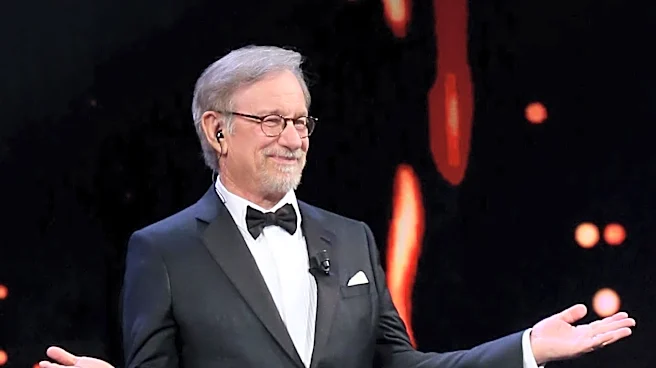
Jonathan Frakes, director of the 'Star Trek: The Next Generation' episode 'Cause and Effect,' utilized Steven Spielberg's signature directorial techniques to enhance the episode's tension and visual storytelling. The episode, which features the Enterprise
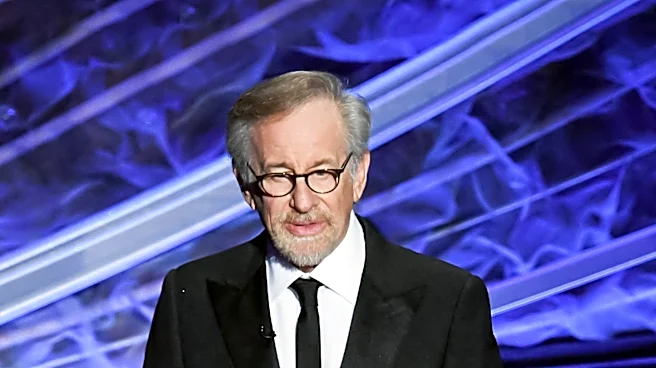
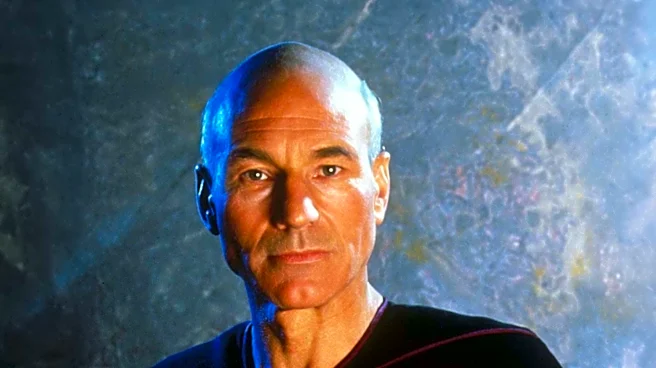
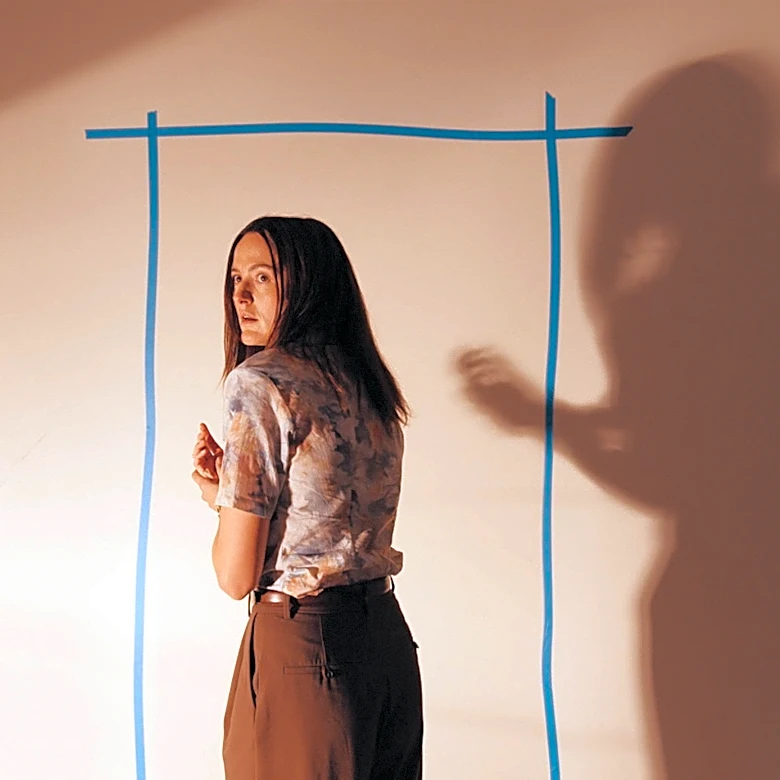
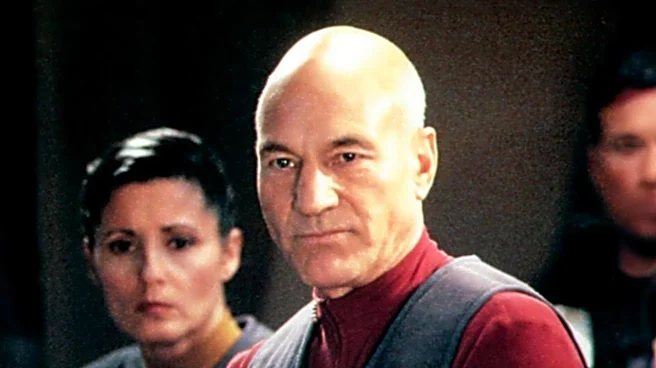
crew reliving a catastrophic collision in a time loop, presented a challenge due to its repetitive nature. Frakes incorporated 'Spielberg-style push-ins and close-ups' to maintain fluidity and excitement, as he explained to The Hollywood Reporter. These techniques involve the camera moving closer to a subject's face, transitioning from a medium shot to a close-up, effectively creating tension and emphasizing characters' internal feelings. This approach was particularly evident in scenes where characters like Dr. Crusher, Worf, and Captain Picard gradually realize they are caught in a time loop, using visual metaphors to convey their dawning understanding.
Why It's Important?
The influence of Steven Spielberg's directorial style on 'Star Trek: The Next Generation' is important because it demonstrates the cross-pollination of creative techniques across different segments of the U.S. entertainment industry. Spielberg's methods, known for their effectiveness in building suspense and emotional depth, were successfully adapted to a television science fiction series, elevating its artistic quality. This particular episode, 'Cause and Effect,' is now considered one of the most highly regarded in the series, partly due to these cinematic techniques. It highlights how established directorial approaches can be applied to new contexts to overcome narrative challenges and enhance viewer engagement, ultimately contributing to the enduring legacy and critical appreciation of a television show.
Beyond the Headlines
Beyond the specific episode, this instance illustrates the broader impact of influential filmmakers like Steven Spielberg on the visual language of media. His techniques have become part of a common cinematic vocabulary, adopted and adapted by directors across film and television. This continuous exchange of ideas and methods enriches the entire entertainment landscape, pushing creative boundaries and refining storytelling approaches. It also underscores the idea that effective visual storytelling transcends specific genres or platforms, proving that well-executed techniques can resonate universally and contribute to the lasting cultural significance of a production.