




What's Happening?
Model Cara Delevingne has launched a 16-piece collection with Topshop, stirring nostalgia among fashion enthusiasts who recall Kate Moss's iconic 2007 collaboration with the brand. Delevingne's new edit, released for autumn, features well-made denim,
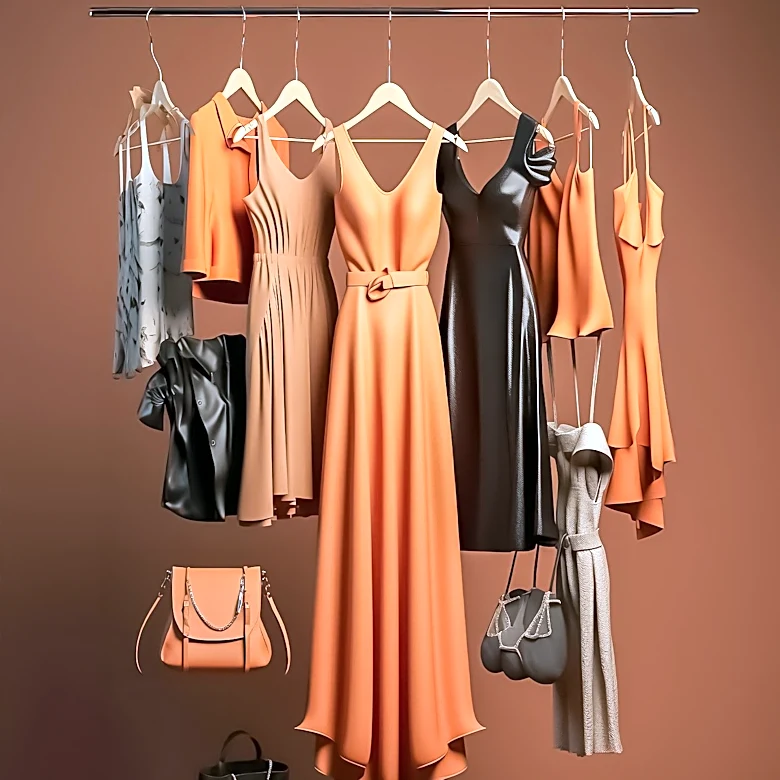
sharp tailoring, and interesting basics, aiming to capture Topshop's youthful and rebellious identity. This collaboration marks Delevingne's continued association with the British clothing brand, as she previously fronted a solo campaign in 2014 and appeared in a film for Kate Moss's 2010 collection. The collection includes items such as a denim cropped trench jacket, high-rise slim straight jeans, denim ultra-wide pleated culottes, an asymmetric off-shoulder mini-dress, and a seamed long-sleeve T-shirt. Many pieces, particularly the denim tailoring, have already seen significant sales, indicating strong consumer interest.
Why It's Important?
This collaboration is significant for the U.S. fashion retail market as it taps into a powerful consumer trend: nostalgia. The success of Delevingne's collection, by drawing parallels to the highly popular Kate Moss collaboration, demonstrates the commercial viability of leveraging past successes and iconic figures. For Topshop, a brand with a strong presence and following in the U.S., this strategy can reignite brand interest and drive sales, especially in a competitive retail landscape. The focus on accessible wardrobe staples like denim and tailored pieces, combined with a 'youthful and rebellious identity,' resonates with a broad demographic. This approach could influence other U.S. retailers and brands to explore similar nostalgic collaborations, potentially shifting marketing and design strategies towards reinterpreting past fashion trends to capture contemporary consumer spending.
What's Next?
The immediate success of Cara Delevingne's Topshop collection, with some items already selling out, suggests that the brand may consider expanding the line or pursuing similar high-profile collaborations in the future. Retailers will likely monitor sales performance and consumer feedback to gauge the long-term impact of this nostalgic marketing strategy. Other fashion brands in the U.S. might observe Topshop's success and explore their own collaborations with influential figures who can evoke similar feelings of nostalgia. This could lead to a broader trend of 'throwback' collections and partnerships across the U.S. fashion industry, as brands seek to connect with consumers through shared cultural memories and iconic styles. The collection's performance will also inform Topshop's future seasonal offerings, potentially leading to more designs that blend vintage inspiration with modern sensibilities.
Beyond the Headlines
Beyond the immediate sales, this collaboration highlights a deeper cultural phenomenon: the cyclical nature of fashion and the enduring power of nostalgia. The appeal of the 'Noughties' aesthetic, as embodied by Kate Moss's original collection, and its reinterpretation by Cara Delevingne, suggests that consumers are not just buying clothes, but also a connection to a perceived 'golden age' of style. This trend reflects a broader societal inclination to find comfort and familiarity in the past, especially during periods of rapid change. For the U.S. market, this means that brands capable of authentically tapping into these nostalgic sentiments, whether through celebrity endorsements or design elements, can forge stronger emotional connections with their customer base. It also underscores the influence of celebrity culture in driving consumer trends, where the association with an admired public figure can significantly elevate a product's desirability and perceived value.