



What's Happening?
As Colorado marks its 150th anniversary of statehood, the focus shifts from its well-known tourist spots to lesser-known destinations that offer unique historical and cultural experiences. The state, known as the Centennial State due to its admission
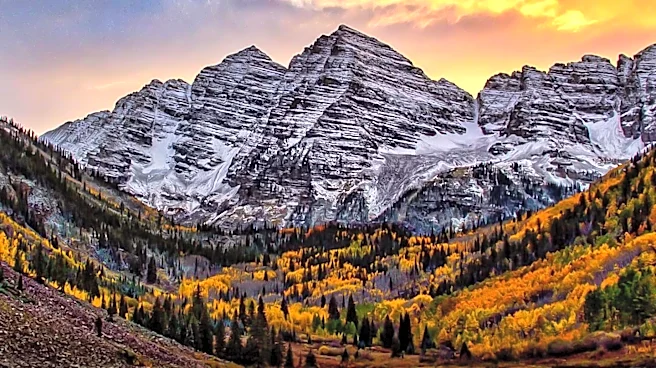
to the Union in 1876, encourages exploration beyond popular areas like Denver and Aspen. Highlighted destinations include Marble, a small town known for its marble quarry that supplied stone for significant U.S. landmarks; Creede, a former silver boomtown offering a quaint mountain retreat; and Cortez, a gateway to ancient ruins and a burgeoning wine region. These areas provide a glimpse into Colorado's rich history and diverse landscapes, often overlooked by travelers.
Why It's Important?
This focus on lesser-known destinations is significant as it promotes tourism in areas that are not typically highlighted, potentially boosting local economies and preserving cultural heritage. By drawing attention to places like Marble, Creede, and Cortez, the state can distribute tourist traffic more evenly, reducing the environmental and infrastructural strain on popular sites. This approach also offers travelers a more diverse experience of Colorado's history and natural beauty, encouraging sustainable tourism practices. The economic benefits could be substantial for these small communities, providing them with opportunities for growth and development.
What's Next?
As Colorado continues to celebrate its sesquicentennial, there may be increased efforts to promote these hidden gems through marketing campaigns and travel incentives. Local businesses and tourism boards might collaborate to create packages that highlight these destinations, potentially leading to infrastructure improvements and increased visitor services. The state could also see a rise in cultural and historical tourism, with more travelers seeking authentic experiences away from crowded tourist spots. This shift could influence future tourism strategies, emphasizing sustainability and cultural preservation.
Beyond the Headlines
The emphasis on overlooked destinations in Colorado highlights broader trends in travel, where tourists increasingly seek unique and authentic experiences. This shift could lead to a reevaluation of how tourism is marketed and managed, with a focus on sustainability and cultural integrity. Additionally, the promotion of these areas may inspire other states to highlight their own lesser-known attractions, fostering a more diverse and inclusive tourism industry. The long-term impact could include a more balanced economic development across regions and a deeper appreciation for local histories and cultures.