



What's Happening?
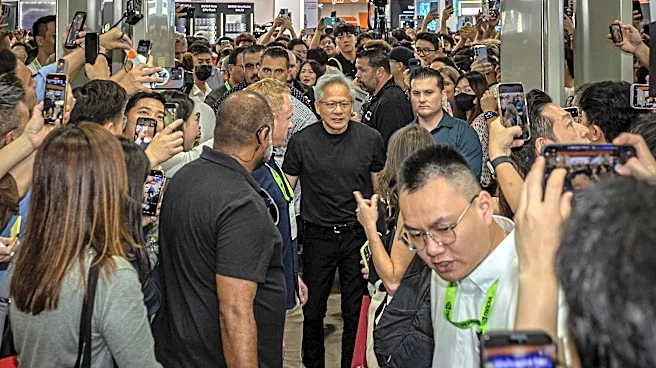
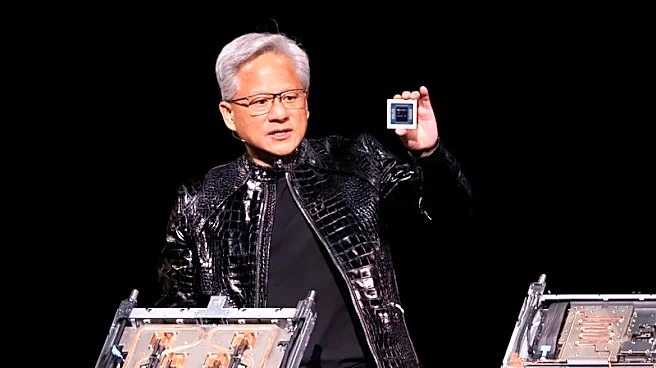
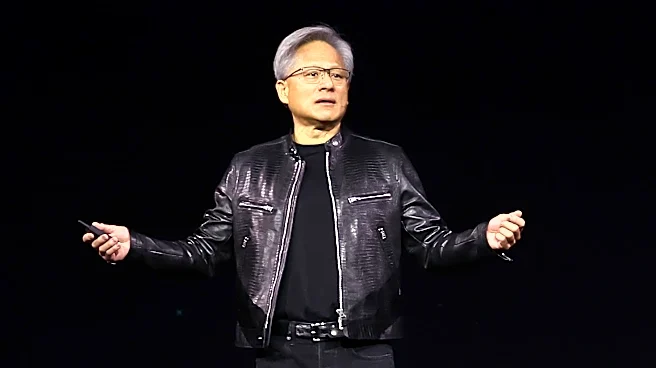
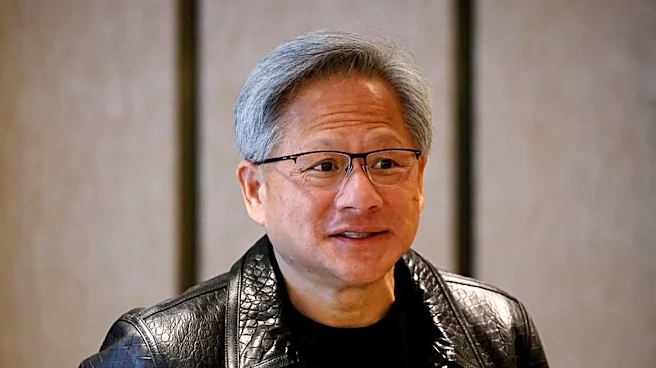
Nvidia officially announced the resignation of its CEO, Jensen Huang, on November 12, 2026. Following Huang's departure, Chief Financial Officer Colette Kress has been appointed as interim CEO while the company's board searches for a permanent successor.
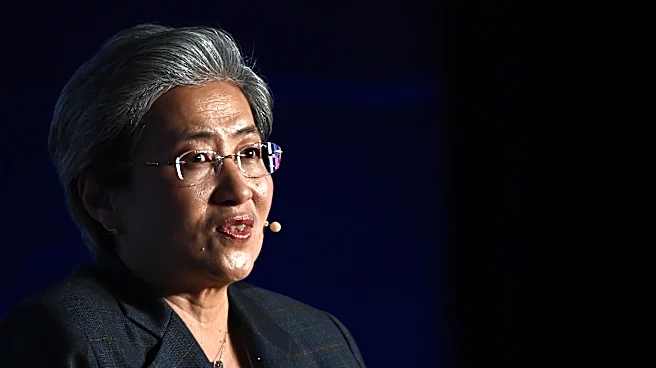
This development has sparked debate within the semiconductor industry, with analysts suggesting it could open new opportunities for AMD and its CEO, Lisa Su. AMD and Nvidia are direct competitors in critical sectors such as artificial intelligence chips, data center processors, and high-performance computing. Some analysts have even speculated about Lisa Su as a potential candidate for Nvidia's permanent CEO position, though no official announcement has been made regarding her joining Nvidia. Currently, Lisa Su serves as the Chairperson and CEO of AMD.
Why It's Important?
The resignation of Jensen Huang from Nvidia marks a significant leadership change for one of the leading chip manufacturers, potentially reshaping the competitive landscape of the global semiconductor industry. Nvidia's future strategies, particularly concerning its AI chips business, will be closely watched. This leadership transition could create a strategic opening for AMD, under the leadership of Lisa Su, to further expand its market share in the rapidly growing AI chips sector. The rivalry between Nvidia and AMD is crucial for technological advancement, as both companies are at the forefront of developing essential components for artificial intelligence, data centers, and high-performance computing. The outcome of Nvidia's CEO search and its subsequent strategic direction will have considerable implications for the entire technology ecosystem, influencing innovation, market dynamics, and the availability of advanced computing solutions.
What's Next?
The immediate next step for Nvidia is to find a permanent successor to Jensen Huang. The selection of a new CEO will be critical in determining the company's future direction, especially in its AI chips business and overall market strategy. Concurrently, AMD, led by Lisa Su, is expected to intensify its efforts to capitalize on this leadership change at its primary competitor. This could involve accelerated product development, strategic partnerships, or aggressive market penetration tactics in the AI and data center segments. The semiconductor industry will closely monitor how this leadership transition impacts the competitive dynamics between these two tech giants, potentially leading to shifts in market share, pricing strategies, and technological innovation in the coming months and years.
Beyond the Headlines
The departure of a long-standing and influential CEO like Jensen Huang from Nvidia could signal a broader shift in the leadership paradigms within the technology sector. It highlights the immense pressure and scrutiny faced by top executives in high-stakes industries like semiconductors, where innovation cycles are rapid and competition is fierce. The speculation surrounding Lisa Su as a potential candidate for Nvidia's CEO position, despite her current role at AMD, underscores the interconnectedness and talent mobility within the tech industry. This event could also prompt a re-evaluation of corporate governance and succession planning practices across major tech firms, emphasizing the importance of robust leadership pipelines to ensure stability and continued growth in a volatile market. The long-term implications could include a more diversified and competitive landscape in AI and high-performance computing, benefiting consumers and industries reliant on these advanced technologies.