








What's Happening?
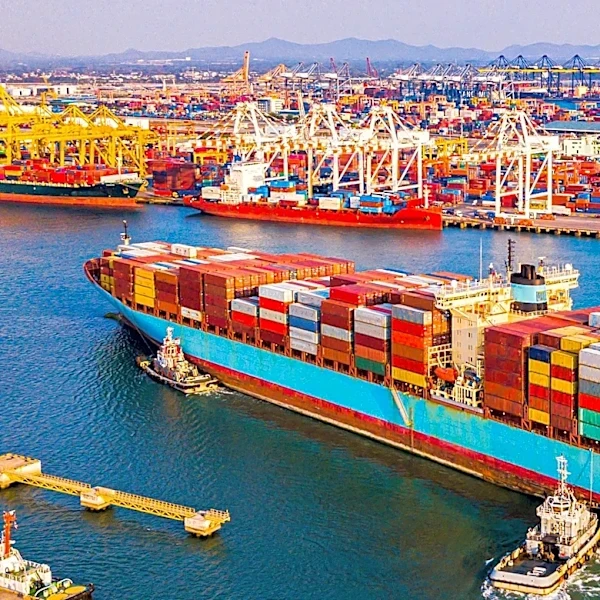
Wall Street indices experienced a decline as tensions between the U.S. and Iran escalated, with President Trump announcing a blockade on Iranian shipping through the Strait of Hormuz. This announcement led to a surge in oil prices and a drop in stock
values, with the S&P 500 and Nasdaq Composite falling by 0.8% and 1.6% respectively. The Dow Jones Industrial Average also saw a decrease of over 100 points. The market's volatility is further compounded by the anticipation of upcoming corporate earnings reports from major companies like JPMorgan Chase and Goldman Sachs, as well as the release of inflation data for June. Additionally, Fed Chairman Kevin Warsh is set to present the central bank's semiannual reports to lawmakers.
Why It's Important?
The escalation of tensions between the U.S. and Iran has significant implications for global oil prices and the stock market. The blockade of the Strait of Hormuz, a critical passage for oil shipments, has led to a sharp increase in oil prices, which could contribute to higher inflation. This situation poses challenges for investors and could impact consumer prices. The upcoming corporate earnings reports and inflation data are crucial for assessing the economic outlook and could influence market sentiment. The Federal Reserve's response to these developments, particularly in terms of monetary policy, will be closely watched by investors and policymakers.
What's Next?
Investors and market analysts will be closely monitoring the release of corporate earnings reports and inflation data to gauge the economic impact of the current geopolitical tensions. The Federal Reserve's stance on monetary policy, as presented by Chairman Kevin Warsh, will also be pivotal in shaping market expectations. Any further developments in the U.S.-Iran conflict could lead to additional market volatility, affecting both domestic and international markets.