





What's Happening?
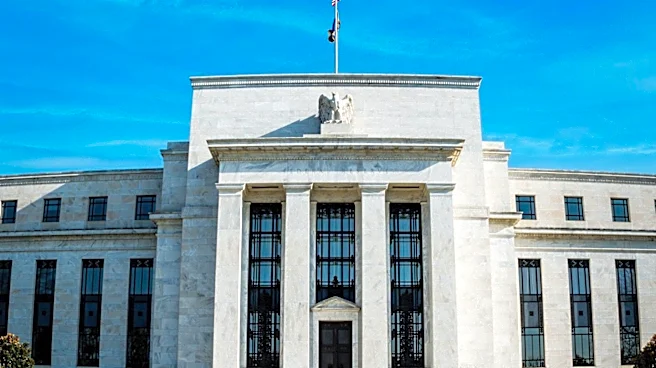
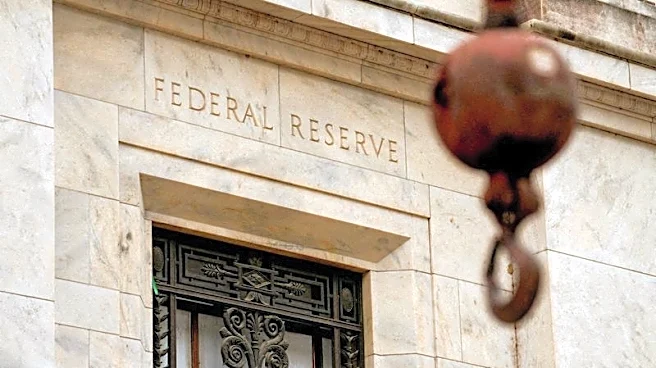
U.S. consumer prices remained elevated in October, with a key inflation gauge showing a 3.8% increase from a year earlier, up from 3.6% in September. This data, released by the Commerce Department, indicates that despite a retreat in gas prices, the Federal
Reserve and elected officials in Washington continue to face challenges in controlling inflation. On a monthly basis, consumer prices climbed 0.3% from September to October, a decrease from the 0.6% increase observed the previous month. This persistent inflation is impacting consumers, as evidenced by shoppers seeking deals on essentials during Black Friday, with the personal consumption expenditures index, the Fed’s preferred inflation indicator, at a staggering 3.8% in October.
Why It's Important?
Persistent high inflation directly impacts the purchasing power of U.S. consumers, making everyday goods and services more expensive. This economic pressure can lead to reduced consumer spending on non-essentials, affecting various sectors of the economy, from retail to hospitality. For the Federal Reserve, the continued rise in consumer prices complicates monetary policy decisions, potentially necessitating further interest rate hikes to cool the economy, which could, in turn, risk a recession. For elected officials, high inflation can lead to public dissatisfaction and calls for government intervention, influencing policy debates and electoral outcomes. The situation highlights the delicate balance between managing inflation and fostering economic growth.
What's Next?
The Federal Reserve will continue to monitor inflation data closely to determine its next steps regarding interest rates. If inflation remains stubbornly high, further monetary tightening could be on the horizon. Consumers are likely to continue seeking value and deals, especially during holiday shopping seasons, as they contend with elevated costs. Businesses will need to adapt to changing consumer behaviors and potentially higher operational costs. Policymakers in Washington will face ongoing pressure to address the cost of living, potentially through fiscal measures or regulatory changes aimed at alleviating inflationary pressures. The trajectory of inflation will be a critical factor shaping economic policy and consumer sentiment in the coming months.
Beyond the Headlines
The sustained high inflation points to deeper structural issues within the U.S. economy, potentially including supply chain vulnerabilities, labor market dynamics, and geopolitical factors. Beyond the immediate financial impact, prolonged inflation can erode long-term savings, disproportionately affect lower-income households, and create uncertainty for businesses planning future investments. The debate over the causes and solutions to inflation often touches upon fundamental economic philosophies, including the role of government spending, monetary policy, and global trade. Understanding these underlying factors is crucial for developing sustainable economic strategies that promote stability and equitable growth, rather than just short-term fixes.