

What's Happening?
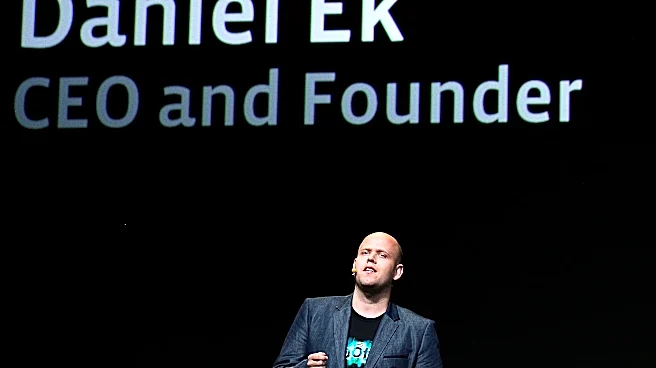
Daniel Ek, co-founder of Spotify, has emphasized the critical need for musicians to engage with their audience consistently, extending beyond the traditional album release cycle. In an interview with Music Ally, Ek stated that releasing music only once
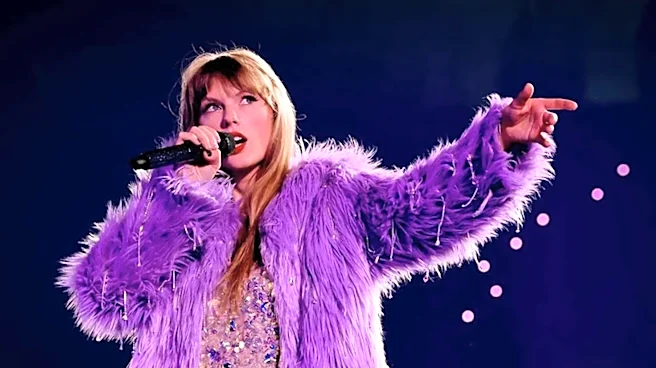
every three or four years is insufficient in today's music landscape. He highlighted that a significant part of an artist's work involves narrating an album's story and sustaining contact with fans well past the release date. Ek cited Taylor Swift's extensive engagement around her album 'Folklore' as a prime example of effective audience interaction. This perspective emerged from a 2020 discussion regarding artist compensation on Spotify, where Ek shifted the conversation to the activities musicians undertake between album releases. He noted that maintaining listener attention has become an ongoing task, even when microphones are off, underscoring the platform's role in discovery through playlists and recommendations.
Why It's Important?
Ek's statements underscore a significant shift in the music industry's economic model and artist-fan relationship. His emphasis on continuous engagement suggests that artists must now act as content creators and community managers, not just musicians. This perspective is particularly impactful for emerging artists who may lack the resources of established stars like Taylor Swift to maintain constant interaction while also composing or touring. The financial implications are substantial; while Spotify aims for a million artists to live off their work, many musicians still express concerns about low earnings. Ek's advice implies that increased engagement could lead to greater visibility and, consequently, higher earnings, though the direct correlation between engagement effort and financial return remains a complex issue influenced by royalty distribution models and contractual agreements with labels and distributors. This shift also highlights the growing power of streaming platforms in shaping artist careers and revenue streams.
What's Next?
The music industry is likely to see a continued evolution in how artists manage their careers, with a greater focus on direct-to-fan communication and digital content strategies. Artists may increasingly invest in social media management, behind-the-scenes content creation, and interactive fan experiences to maintain engagement as suggested by Ek. Spotify and other streaming platforms might further develop tools and features to facilitate this continuous interaction, potentially offering more robust analytics or direct communication channels for artists. However, the challenge for many musicians will be balancing the demands of creative output with the time and resources required for constant audience engagement, especially given the current royalty structures. Discussions around fair compensation and the sustainability of a career in music for independent artists are expected to persist, as the industry adapts to these evolving expectations.
Beyond the Headlines
Ek's comments touch upon deeper implications regarding the commodification of artistic output and the evolving definition of an 'artist' in the digital age. The expectation for continuous engagement transforms artistic creation from a periodic event into an ongoing performance of presence and interaction. This can blur the lines between personal and professional life for musicians, potentially leading to burnout or a feeling of constant pressure to produce. Ethically, it raises questions about the mental health burden on artists who are expected to be always 'on' for their audience. Legally, it could influence future contractual agreements between artists and labels, with more emphasis placed on digital engagement metrics. Culturally, it reflects a broader societal trend where constant connectivity and content consumption are the norm, pushing creative industries to adapt or risk obsolescence in the attention economy.