




What's Happening?
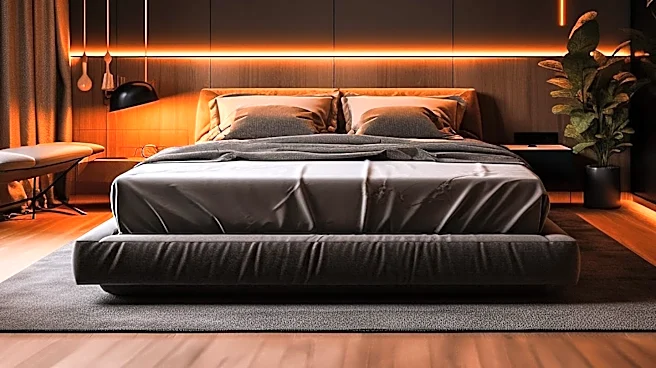
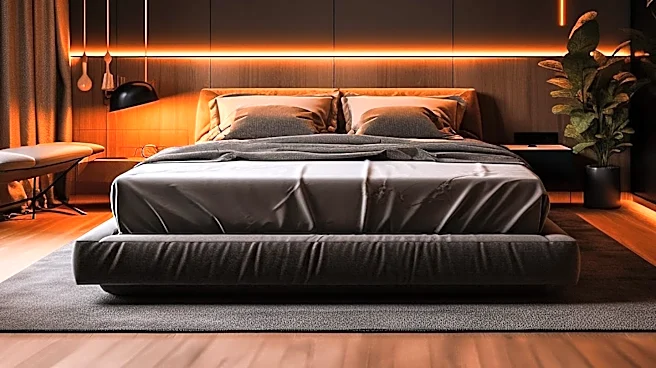
Mood lighting is crucial for creating a relaxing atmosphere in bedrooms, moving beyond direct, overly bright illumination. The focus is on incorporating indirect light sources to soften the space and add depth. This can be achieved by utilizing existing
architectural features such as curtain boxes, headboards, or ceiling light coves. LED strip lights concealed within these structures allow light to reflect off walls or ceilings, producing natural variations of light and shadow. This method reduces the need for numerous decorative fixtures while enhancing minimalist bedroom styles with added detail and depth. Layered lighting, which includes general, task, mood, and night lighting, is emphasized over a single central light source to cater to different activities and times of day, ensuring comfort and functionality.
Why It's Important?
The shift towards sophisticated mood lighting in residential design reflects a growing understanding of how lighting impacts well-being and the overall aesthetic of a home. By prioritizing indirect and layered lighting, homeowners can create environments that are not only visually appealing but also conducive to rest and relaxation. This approach can influence consumer preferences in the U.S. housing market, driving demand for homes equipped with advanced lighting systems. For the interior design and construction industries, it signifies a move towards more integrated and thoughtful lighting solutions, potentially increasing the market for specialized LED products and smart home lighting controls. This trend also highlights the importance of considering lighting early in the design process, rather than as an afterthought, to maximize its impact on comfort and perceived value.
What's Next?
The continued evolution of smart lighting technology will likely play a significant role in the future of mood lighting. Smart dimming systems, which allow for adjustable brightness and color temperature, will become more prevalent, enabling homeowners to customize their lighting to suit various activities and times of day. This flexibility will further integrate lighting with daily routines, enhancing convenience and comfort. Manufacturers will continue to innovate in LED strip light technology, focusing on energy efficiency and seamless integration into architectural elements. Designers will increasingly incorporate these advanced lighting solutions into their initial plans, moving away from traditional single-source lighting to multi-layered, dynamic lighting schemes that adapt to user needs and preferences. This will likely lead to a greater emphasis on personalized lighting experiences in residential and hospitality sectors.
Beyond the Headlines
The emphasis on mood lighting extends beyond mere aesthetics, touching upon psychological and physiological aspects of human well-being. The use of warm, indirect light in bedrooms can positively influence sleep patterns and reduce stress, aligning with broader trends in wellness-focused home design. This approach also encourages a more mindful interaction with living spaces, where lighting is not just functional but an integral part of creating an emotional connection to the home. Ethically, it promotes energy efficiency through the use of LED technology and smart controls, contributing to sustainable living practices. Culturally, it signifies a move away from purely utilitarian design towards spaces that prioritize sensory experience and personal comfort, reflecting a desire for homes that serve as sanctuaries from the demands of modern life.