








What's Happening?
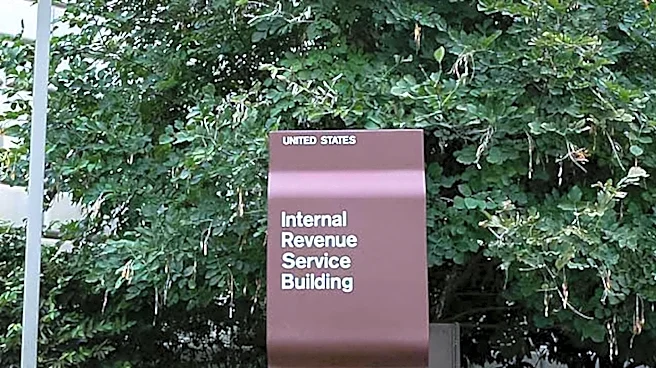
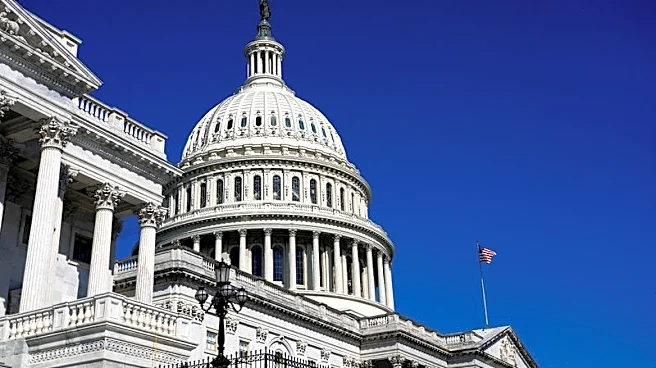
The U.S. courts are increasingly defining the tax rules for digital assets as Congress has yet to enact comprehensive legislation. This has resulted in a fragmented legal landscape shaped by the IRS, the Treasury, and other regulatory agencies. The absence
of a cohesive statutory framework has led to a reliance on administrative pronouncements and guidance. As digital currency adoption expands, traditional institutions are compelled to adapt their regulatory frameworks. The courts are often called upon to apply existing legal frameworks to novel circumstances involving digital assets, leading to litigation that seeks to harmonize various sources of authority. Recent cases, such as Jarrett v. United States, highlight the challenges and ongoing efforts to establish clear tax rules for digital assets.
Why It's Important?
The lack of comprehensive legislation on digital asset taxation creates uncertainty for U.S. taxpayers and practitioners. This fragmented approach can lead to inconsistent tax treatment and potential legal challenges. As digital currencies become more mainstream, the need for clear and coherent tax rules becomes critical to ensure compliance and avoid litigation. The evolving legal landscape impacts not only individual taxpayers but also businesses and the broader financial industry, which must navigate these complexities. The outcomes of ongoing court cases could set important precedents and influence future regulatory approaches, affecting how digital assets are taxed and managed in the U.S.
What's Next?
As litigation continues, the courts will play a crucial role in shaping the tax rules for digital assets. Future court decisions could provide more clarity and establish precedents that guide the IRS and other regulatory bodies in formalizing their positions. Stakeholders, including taxpayers, legal practitioners, and industry experts, will closely monitor these developments. The outcomes of cases like Jarrett v. United States could influence future legislative efforts and potentially prompt Congress to take action to establish a more cohesive statutory framework for digital asset taxation.