



What's Happening?
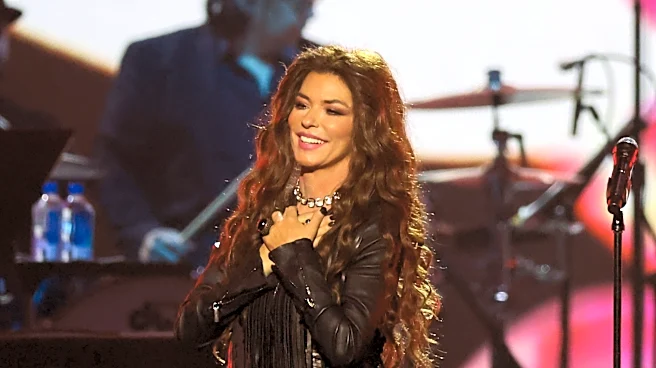
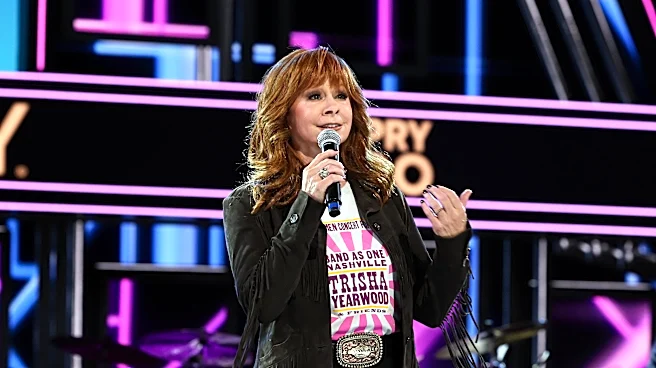
The 1990s marked a significant era for female artists in country music, who not only achieved widespread success but also played a crucial role in pushing the genre into the mainstream. Artists like Shania Twain, Reba McEntire, Faith Hill, Martina McBride,
and Trisha Yearwood delivered powerful vocals and compelling storytelling, bringing a fresh style to country radio. Shania Twain's 1997 album, 'Come On Over,' became the best-selling country album of all time, propelled by crossover hits that reached a vast pop audience. Reba McEntire solidified her status as an influential figure with dramatic, emotionally rich songs. Faith Hill brought new energy and achieved significant crossover success with hits like 'This Kiss.' Martina McBride was known for her powerhouse voice and willingness to tackle weighty subjects, while Trisha Yearwood made an immediate impact with her soulful delivery and storytelling ability.
Why It's Important?
The impact of these female artists in the 1990s was pivotal for the U.S. music industry, particularly for country music. Their ability to achieve crossover success significantly expanded the genre's audience beyond its traditional base, leading to increased record sales, concert attendance, and broader media exposure. This commercial success injected substantial revenue into the industry, benefiting record labels, producers, and songwriters. Furthermore, these artists paved the way for future generations of female country singers, demonstrating that women could be both commercially successful and artistically influential. Their diverse styles and storytelling broadened the thematic scope of country music, making it more relatable to a wider demographic and ensuring its continued relevance in the evolving music landscape. This era also highlighted the power of female voices in shaping cultural narratives and challenging industry norms.
What's Next?
The legacy of these 1990s female country artists continues to influence contemporary country music, with many current artists drawing inspiration from their trailblazing careers. The precedent set for crossover appeal means that future country artists, particularly women, may continue to explore sounds that blend country with pop and other genres to reach broader audiences. This era's success also encourages record labels to invest in and promote diverse female talent within country music, recognizing their potential for both critical acclaim and commercial success. The ongoing discussion about diversity and representation in country music, as seen in recent industry dialogues, can be traced back to the groundwork laid by these artists who expanded the genre's boundaries and challenged its traditional perceptions. This historical context will likely continue to shape industry strategies for artist development and market expansion.
Beyond the Headlines
Beyond their commercial achievements, these female artists of the 1990s had a profound cultural impact, particularly on the representation of women in popular music. They presented multifaceted images of womanhood—strong, vulnerable, independent, and emotionally complex—which resonated with millions of listeners. Their songs often addressed themes of empowerment, resilience, and personal struggle, providing anthems for women navigating various life experiences. This cultural influence extended beyond music, contributing to broader conversations about gender roles and female agency in American society. Their success also demonstrated that authenticity and storytelling could transcend genre boundaries, influencing how artists across the music spectrum approach their craft. The enduring popularity of their music speaks to its timeless appeal and its deep connection to the American cultural fabric, reflecting evolving societal values and aspirations.