





What's Happening?
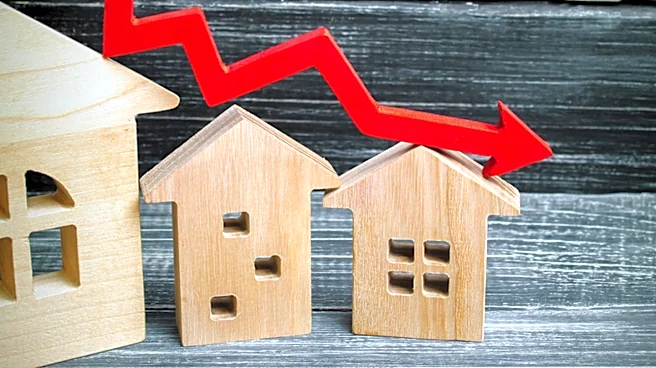
The U.S. housing market is experiencing an extended correction phase, primarily due to elevated mortgage rates that have persisted for four years. This situation has resulted in suppressed home sales and limited inventory growth, as homeowners are reluctant
to sell at a discount. The market's current state deviates from the typical real estate cycle, which usually includes a drop in home prices during a correction phase. However, the pandemic-era phenomenon of ultra-low mortgage rates has disrupted this pattern. Many homeowners locked in low rates and refinanced, leading to a low supply of homes for sale and reduced demand. The market's stagnation is further complicated by regional variations, with different local markets experiencing unique conditions.
Why It's Important?
The prolonged correction phase in the housing market has significant implications for the U.S. economy and potential homebuyers. High mortgage rates have priced out many buyers, while existing homeowners, who generally have significant equity and fixed-rate mortgages, face little financial pressure to sell. This has created a stalemate, with sales absorbing more of the adjustment than prices. The situation underscores the challenges of achieving a balanced housing market, as demographic shifts and pandemic-era policies continue to influence supply and demand dynamics. The market's recovery is contingent on factors such as mortgage rate stabilization, increased new construction, and broader economic conditions, including job market trends.
What's Next?
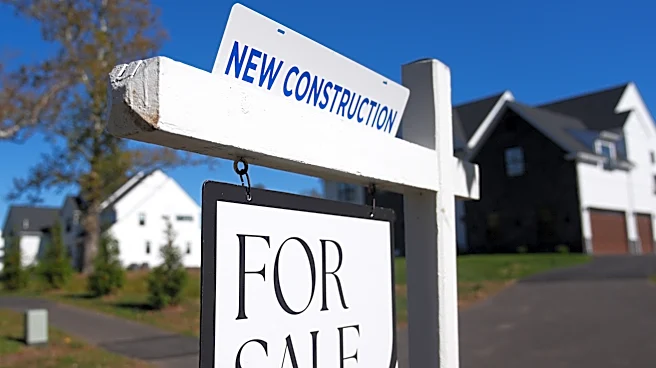
For the housing market to exit this unusual correction phase, several factors need to align. Lower mortgage rates could facilitate a recovery, but with inflation still high, this is unlikely in the short term. Increased new construction, potentially supported by government incentives, might also help break the stalemate. Additionally, stabilization of rates would allow buyers, sellers, and builders to adjust their expectations, supporting a gradual recovery. The job market's dynamics, including hiring and firing rates, will also play a crucial role in determining the pace of the market's recovery.