




What's Happening?
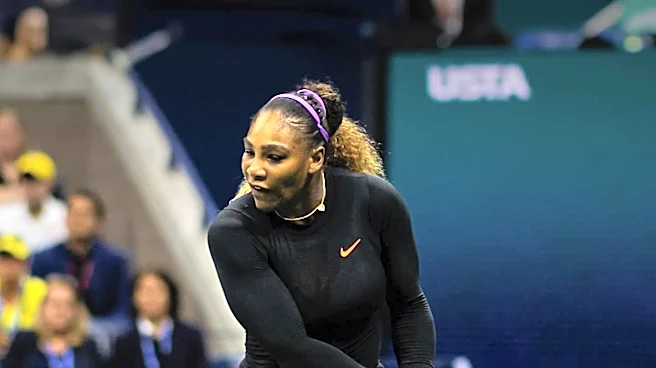
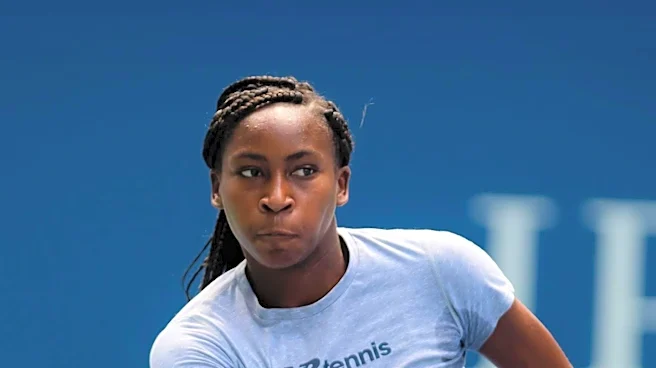
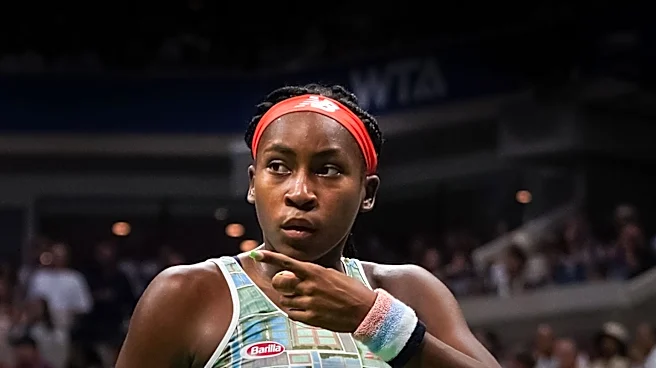
American tennis star Coco Gauff has donated $250,000 to the UNCF (United Negro College Fund) over two years to create the Coco Gauff Scholarship Program. This initiative aims to support tennis players attending Historically Black Colleges and Universities
(HBCUs). Gauff, who recently won a match against Jessica Pegula in the WTA Finals on November 8, is UNCF’s youngest major gift donor. She met with nine recipients of the scholarship program via Zoom, including students from Southern University and Agricultural and Mechanical College, Coppin State University, Winston-Salem State University, Albany State University, Edward Waters University, Benedict College, Bethune-Cookman University, and Howard University. Gauff emphasized her commitment to supporting tennis, particularly for women and people of color, and highlighted that tennis is often an underfunded sport within these institutions. Her family has strong ties to HBCUs, with her father attending Delaware State University and other relatives attending various HBCUs.
Why It's Important?
This scholarship program is significant for several reasons. Firstly, it addresses the financial barriers that often prevent talented tennis players from attending HBCUs and pursuing higher education. By providing financial support, Gauff is directly contributing to increased access and opportunities for student-athletes, particularly within underrepresented communities. Secondly, her personal involvement and public commitment to HBCUs and diversity in tennis serve as a powerful inspiration and role model for young athletes. Her initiative helps to shine a spotlight on the needs of HBCU athletic programs, which can lead to broader support and investment in these institutions. The program also reinforces the idea that success in professional sports can be leveraged to create lasting social impact, fostering educational and athletic development for future generations.
What's Next?
The Coco Gauff Scholarship Program is expected to continue providing financial aid to HBCU tennis players, with Gauff expressing her desire to make tennis as accessible as possible. The UNCF will likely continue to administer the program, identifying and supporting deserving student-athletes. Gauff's ongoing engagement with the scholarship recipients, offering advice on balancing academics and athletics, suggests a sustained commitment beyond just financial contributions. This initiative could also inspire other prominent athletes or organizations to invest in similar programs, further expanding opportunities for student-athletes at HBCUs. The success of the program may also lead to its expansion in terms of funding or the number of students it can support in the future.
Beyond the Headlines
Gauff's initiative transcends typical athlete endorsements by directly investing in educational and athletic infrastructure for a specific community. This action highlights a growing trend among athletes to use their platforms for social good, particularly in areas related to equity and access. The focus on HBCUs is particularly impactful, as these institutions play a crucial role in educating and empowering Black students. By supporting tennis at HBCUs, Gauff is not only promoting the sport but also contributing to the overall strength and visibility of these colleges. This move could also spark broader conversations about equitable funding and resources for sports programs at minority-serving institutions, potentially influencing policy and philanthropic efforts within the sports and education sectors.