




What's Happening?
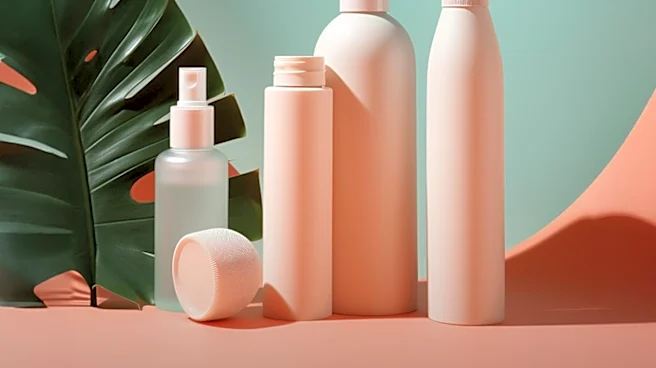
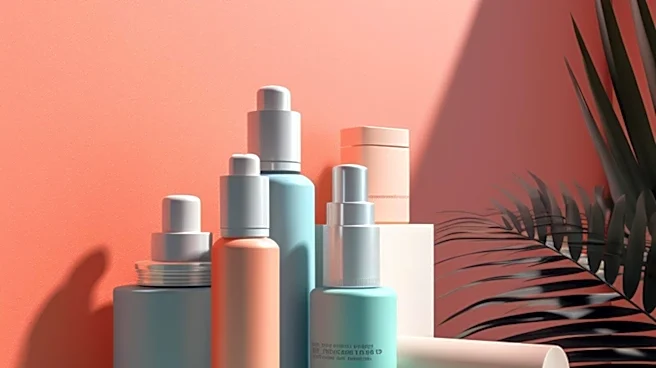
The facial pump bottle market is anticipated to grow significantly, reaching $11.42 billion by 2035 from $6.19 billion in 2025, at a compound annual growth rate (CAGR) of 6.31%. This growth is primarily driven by the increasing demand for sustainable
packaging solutions, eco-friendly materials, and airless pump technology. Airless pump bottles are identified as the fastest-growing pump-type segment due to their ability to prevent contamination and preserve product integrity. North America currently holds the largest share of this market, while the Asia Pacific region is experiencing the fastest growth. Key companies in this sector, including APackaging Group, AptarGroup Inc., and Albéa, are focusing on research and development, innovative packaging, customization, and premium designs to meet evolving consumer preferences and regulatory pressures.
Why It's Important?
This market expansion highlights a significant transformation within the U.S. beauty and personal care industry, emphasizing sustainability and product preservation. The shift towards recyclable and bio-based materials, along with airless pump technology, directly addresses consumer concerns about environmental impact and product efficacy. For U.S. consumers, this means access to more hygienic and effective facial skincare products, as airless technology protects sensitive formulations from oxidation and contamination. For businesses, particularly those in the skincare and cosmetics sectors, investing in these advanced packaging solutions is crucial for maintaining competitiveness and meeting regulatory requirements. Companies that embrace sustainable and innovative packaging will likely see increased brand loyalty and market share, while those that lag may face challenges in a rapidly evolving market driven by conscious consumerism and environmental mandates.
What's Next?
The facial pump bottle market will continue to be shaped by several key trends, including the ongoing development of recyclable and bio-based materials, refillable packaging, and advanced airless dispensing systems. Smart packaging and augmented reality are emerging as crucial tools for consumer engagement and product information, indicating a future where packaging offers more than just containment. Manufacturing processes are also evolving, with increased automation and localized production aimed at improving efficiency, reducing costs, and strengthening supply chain resilience. Companies are exploring reusable models and recycled plastics to further reduce environmental impact. These developments suggest a future where packaging is not only functional and sustainable but also highly interactive and personalized, catering to a more informed and environmentally conscious consumer base.
Beyond the Headlines
The rapid growth in the facial pump bottle market, driven by sustainability and airless technology, reflects a broader societal shift towards environmental responsibility and product integrity. This trend has implications beyond the cosmetic industry, potentially influencing packaging standards across various consumer goods sectors. The increasing adoption of smart packaging and augmented reality could redefine how consumers interact with products, blurring the lines between physical goods and digital experiences. This also raises important considerations regarding data privacy and the ethical use of consumer data collected through smart packaging. Furthermore, the emphasis on localized production and resilient supply chains could lead to a restructuring of global manufacturing, fostering regional economic growth and reducing reliance on distant supply networks, thereby impacting international trade dynamics and labor markets.