





What's Happening?
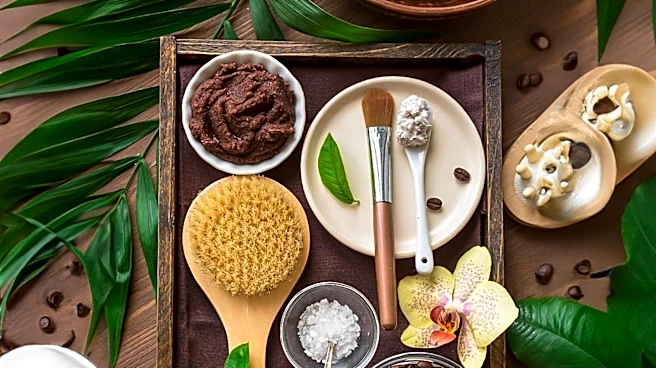
UNICO 20°87° Hotel Riviera Maya features a coffee and coconut oil face scrub as a signature spa treatment, emphasizing its effectiveness in improving skin texture, reducing puffiness, and providing a warming sensation. The scrub combines finely ground
coffee, which acts as a physical exfoliant to remove dead skin cells and improve circulation, with virgin coconut oil, which carries the grounds and moisturizes the skin. This combination ensures a balanced exfoliation without being overly abrasive or greasy. The hotel's Akalki Spa integrates this scrub into its broader treatment philosophy, drawing from Mexican botanical traditions and utilizing local ingredients. Guests can experience this treatment in a professional spa setting or learn to create a DIY version at home, with the hotel even offering used espresso grounds upon request.
Why It's Important?
The promotion of a signature coffee and coconut oil face scrub by UNICO 20°87° Hotel Riviera Maya highlights a growing trend in the hospitality and wellness industries: the integration of local, natural ingredients into luxury spa experiences. This approach appeals to consumers seeking authentic, regionally inspired treatments and sustainable practices. For the U.S. market, this trend influences travel choices, as tourists increasingly prioritize destinations offering unique cultural and wellness experiences. It also impacts the beauty industry by popularizing natural, DIY-friendly ingredients, potentially increasing demand for coffee and coconut oil in personal care products. The hotel's willingness to share the DIY recipe and provide ingredients encourages guests to extend their spa experience beyond their stay, fostering brand loyalty and promoting a holistic approach to wellness.
What's Next?
The success of treatments like the coffee and coconut oil scrub at UNICO 20°87° suggests a future where more hotels and spas will likely develop signature treatments based on local ingredients and traditions. This could lead to increased partnerships between hospitality venues and local producers of natural ingredients. We may also see a rise in educational offerings, such as workshops or online tutorials, from spas and hotels, empowering guests to replicate treatments at home. Furthermore, the demand for ethically sourced and natural ingredients in personal care products is expected to grow, influencing product development and marketing strategies across the beauty industry. Hotels might also integrate these local ingredients into other aspects of the guest experience, such as culinary offerings or in-room amenities, creating a more cohesive and immersive cultural experience.
Beyond the Headlines
The emphasis on local ingredients and DIY options in spa treatments, as exemplified by UNICO 20°87°, reflects a deeper cultural shift towards authenticity, sustainability, and personal empowerment in wellness. This approach moves beyond generic spa offerings to provide a more meaningful connection to the local environment and traditions. Ethically, it promotes the use of natural, often locally sourced, ingredients, potentially supporting local economies and reducing the environmental footprint associated with imported products. Culturally, it allows guests to engage with the heritage of the region through sensory experiences, fostering a greater appreciation for indigenous botanical knowledge. This trend signifies a move towards a more conscious consumerism within the wellness sector, where experiences are valued not just for their luxury, but also for their authenticity, sustainability, and educational value.