







What's Happening?
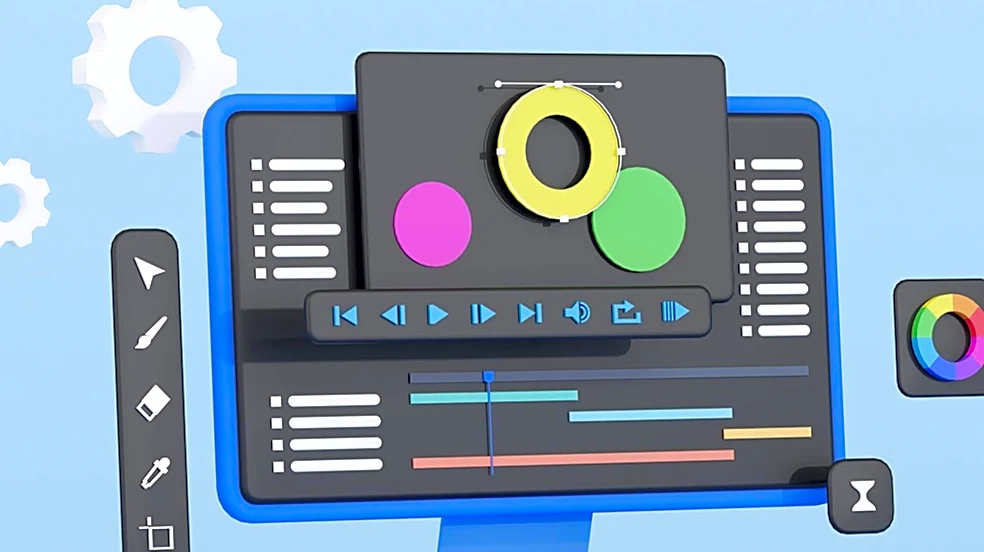
Advanced 3D animation software is revolutionizing both the gaming and filmmaking industries by enabling the creation of highly detailed characters, environments, visual effects, and cinematic scenes. Tools like Blender, Autodesk Maya, Cinema 4D, and Unreal
Engine offer diverse functionalities, from modeling and rigging to real-time rendering and motion capture integration. For games, this software facilitates realistic character movements, interactive elements, and cutscenes, while for movies, it supports character performances, realistic motion, and visual storytelling. The choice of software depends on project requirements and desired control, with options ranging from beginner-friendly interfaces like Adobe Mixamo for automatic rigging to professional-grade applications like Autodesk Maya for complex productions. Real-time 3D technology, in particular, is gaining prominence, allowing artists to view and adjust visual results almost instantly, which significantly streamlines the creative process and enhances collaboration.
Why It's Important?
The widespread adoption and continuous advancement of 3D animation software have profound implications for the U.S. entertainment and technology sectors. For the film industry, these tools enable filmmakers to push creative boundaries, producing visually stunning and immersive cinematic experiences that attract global audiences. This can lead to increased box office revenues and a stronger competitive edge in the international market. In the gaming industry, sophisticated 3D animation is crucial for developing high-fidelity, engaging interactive experiences that drive sales and foster player loyalty. The demand for skilled professionals proficient in these software packages is growing, creating numerous job opportunities in animation studios, game development companies, and visual effects houses across the U.S. Furthermore, the efficiency gains from real-time 3D animation can reduce production costs and timelines, making high-quality content more accessible and fostering innovation in content creation.
What's Next?
The future of 3D animation software is expected to see continued integration of artificial intelligence (AI) and machine learning, further automating complex tasks and enhancing creative possibilities. AI-powered tools, such as Kimi Build, are already emerging, allowing users to generate 3D models from text prompts and images, and refine them through chat instructions. This trend suggests a future where animation workflows become even more intuitive and accessible, potentially democratizing content creation. Real-time 3D platforms like Unreal Engine will likely expand their applications beyond gaming and virtual production into areas like architectural visualization and interactive experiences. Educational institutions and training programs will need to adapt their curricula to equip aspiring artists with the latest skills in these evolving technologies, ensuring a steady supply of talent for the U.S. creative industries. The ongoing development promises more immersive, interactive, and visually rich digital content across various media.
Beyond the Headlines
The evolution of 3D animation software extends beyond mere technical advancements; it influences the very nature of storytelling and artistic expression. The ability to create hyper-realistic or fantastical worlds with increasing ease challenges traditional notions of what is possible in visual media. This can lead to new genres, narrative structures, and interactive experiences that blur the lines between film, games, and virtual reality. Ethical considerations regarding the use of AI in generating animated content, such as questions of authorship and the potential impact on human creativity, will become more prominent. Moreover, the accessibility of advanced tools could empower independent creators and smaller studios, fostering a more diverse and innovative landscape of animated content. The shift towards real-time workflows also encourages a more collaborative and iterative creative process, potentially transforming team dynamics and production methodologies within the U.S. entertainment industry.