




What's Happening?
Square LED ceiling lights are gaining popularity in U.S. homes and workplaces due to their clean design and efficient lighting capabilities. These lights offer versatility in creating different atmospheres through varying color temperatures, measured
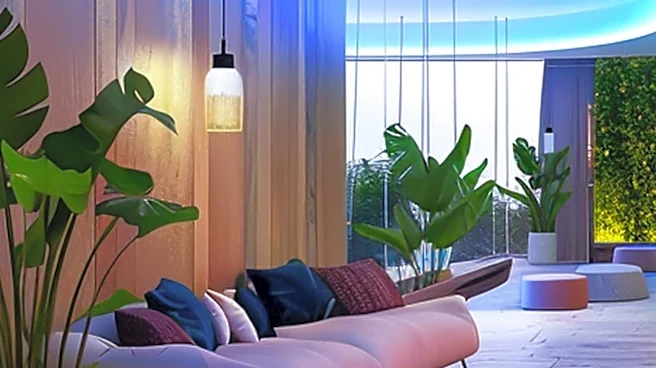
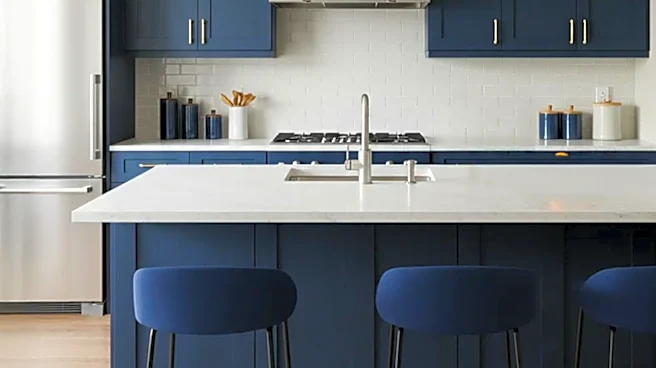
in Kelvin (K). Warm white light (under 3,300 K) provides a cozy, inviting mood, suitable for living rooms, bedrooms, and dining areas. In contrast, cool white light (over 5,300 K) offers a bluish, daylight-like quality that promotes concentration, making it ideal for kitchens, bathrooms, basements, and offices. Brightness, measured in lumens (lm), is also a key consideration, with recommendations ranging from 100-150 lumens per square meter for hallways to 250-300 lumens per square meter for work areas.
Why It's Important?
The widespread adoption of LED ceiling lights has significant implications for energy consumption and interior design trends across the U.S. Energy-efficient LED technology can lead to substantial savings on electricity bills for homeowners and businesses, contributing to broader energy conservation efforts. The ability to customize lighting color temperature and brightness allows for greater personalization of living and working spaces, impacting mood, productivity, and overall well-being. This trend also influences the manufacturing and retail sectors, driving innovation in LED lighting products and creating a market for diverse design options. For consumers, it means more choices for creating functional and aesthetically pleasing environments while potentially reducing their carbon footprint.
What's Next?
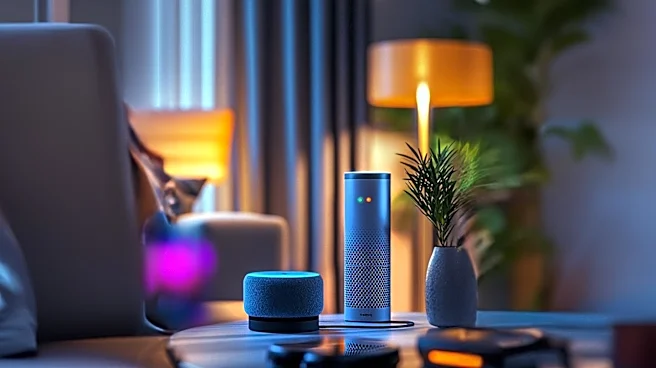
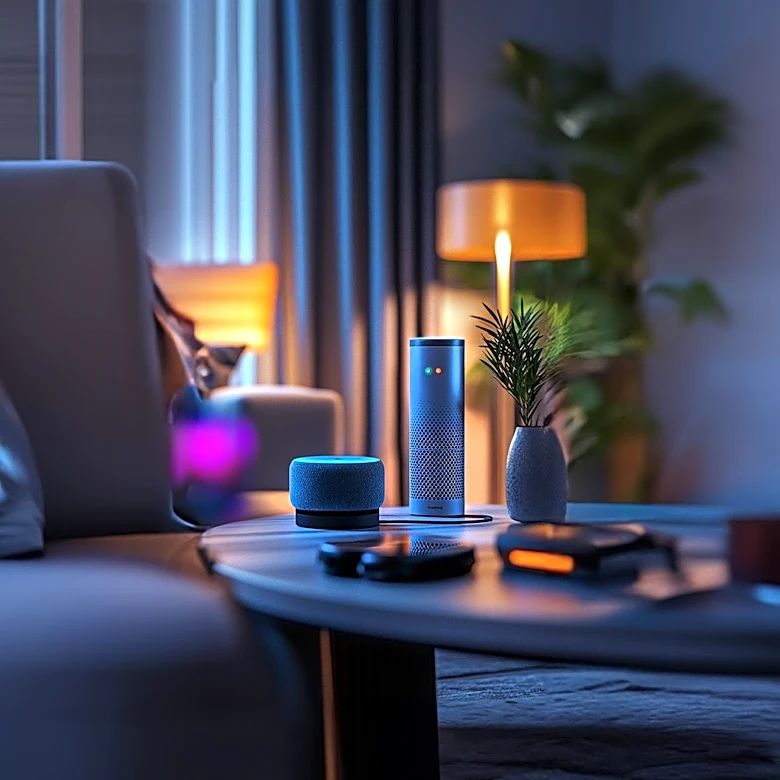
The future of LED lighting in the U.S. is likely to see continued advancements in smart features, such as integration with home automation systems, tunable white technology, and color-changing capabilities. Manufacturers will likely focus on developing even more energy-efficient models with extended lifespans. We can expect to see a greater emphasis on minimalist designs that seamlessly blend into architectural aesthetics. The market may also expand to include more specialized LED lighting solutions for various applications, such as health-focused lighting that mimics natural daylight cycles to support circadian rhythms. Increased consumer awareness of the benefits of LED lighting will further drive its adoption in both new constructions and renovation projects.
Beyond the Headlines
Beyond the immediate benefits of energy efficiency and aesthetic appeal, the evolution of LED lighting touches upon broader societal and environmental concerns. The long lifespan of LED lights reduces waste from frequent bulb replacements, contributing to sustainability efforts. The ability to precisely control light quality can have a profound impact on human health and comfort, influencing sleep patterns, mood, and cognitive function. This opens avenues for research into how lighting can be optimized for different demographic groups and specific health conditions. Furthermore, the integration of smart LED lighting into the Internet of Things (IoT) ecosystem raises questions about data privacy and the potential for interconnected lighting systems to collect information about occupants' habits and preferences.