






What's Happening?
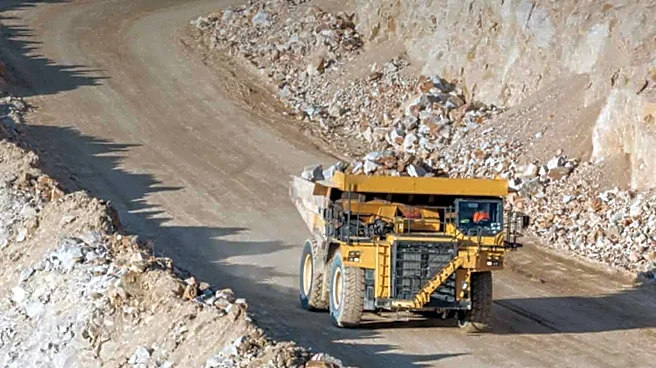
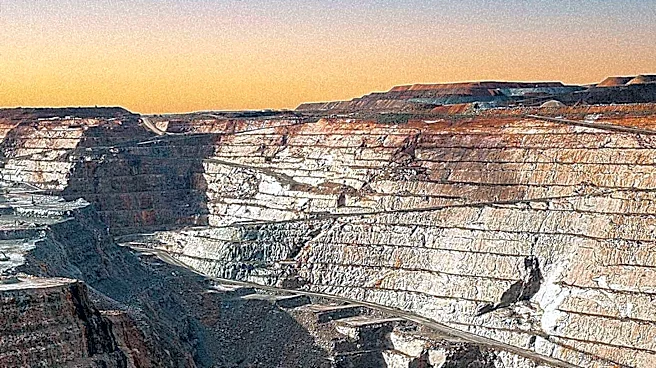
Traditional coal mining operations are increasingly integrating advanced weather forecasting with predictive maintenance strategies to minimize downtime, protect heavy equipment, and ensure profitability amidst changing climate patterns. This shift involves
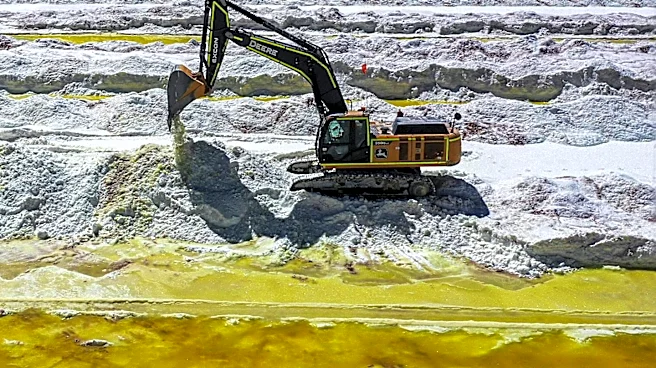
moving away from calendar-based repair schedules to a data-driven approach that leverages telematics readings and IoT sensors. By aligning complex repair schedules with anticipated severe weather events, mining sites can transform otherwise lost operational hours into productive maintenance windows. This 'opportunity-based maintenance' allows for proactive addressing of potential equipment failures, enhancing operational continuity and efficiency. The integration of short-term weather data, long-term climate projections, and real-time equipment condition data is central to this evolving maintenance paradigm. For instance, localized on-site weather stations with IoT sensors provide precise environmental conditions, such as temperature, humidity, and precipitation, which are then combined with telematics to monitor equipment performance. This allows for specific actions like scheduling winterization protocols for hydro-excavators when temperatures drop below 20 degrees to prevent freezing and damage.
Why It's Important?
This transition to predictive and condition-based maintenance, coupled with advanced weather forecasting, is crucial for the U.S. mining industry's resilience and economic viability. By preventing breakdowns and reducing downtime, companies can significantly cut maintenance costs, with potential reductions of up to 25%. This directly impacts profitability and operational efficiency, especially in an era of increasingly volatile weather patterns. The ability to proactively schedule inspections and repairs before adverse weather hits safeguards expensive heavy machinery from damage, extending its lifespan and reducing capital expenditure on replacements. Furthermore, this approach ensures operational continuity, which is vital for meeting production targets and maintaining supply chain stability. The adoption of such sophisticated data integration strategies also fosters a more sustainable and adaptive industry, capable of mitigating risks associated with climate change and optimizing resource utilization. This shift also creates a demand for skilled professionals in data analytics, IoT management, and predictive modeling within the industrial sector.
What's Next?
The mining industry is expected to further refine its predictive maintenance models by incorporating more sophisticated AI and machine learning algorithms to analyze vast datasets from IoT sensors and weather forecasts. This will lead to even more accurate predictions of equipment failures and optimal maintenance scheduling. Training programs will likely expand to equip the workforce with the necessary skills in data interpretation, sensor technology, and advanced maintenance techniques. Conferences and industry collaborations will continue to play a vital role in sharing best practices and fostering innovation in this area. As climate patterns continue to evolve, the emphasis on integrating long-term climate projections into operational planning will intensify, leading to more robust and adaptive mining strategies. This proactive approach will likely become a standard across other heavy industries susceptible to environmental impacts and equipment wear.
Beyond the Headlines
The deeper implications of this trend extend beyond immediate cost savings and operational efficiency. It signifies a fundamental shift in industrial philosophy, moving from reactive problem-solving to proactive risk management and optimization. This data-driven approach highlights the increasing convergence of environmental science, information technology, and industrial engineering. Ethically, it underscores a commitment to worker safety by minimizing unexpected equipment failures in hazardous environments. Culturally, it promotes a more analytical and forward-thinking mindset within traditional industries. The long-term shift could see the development of highly automated and self-optimizing industrial systems, where maintenance is almost entirely predictive and integrated with real-time environmental conditions. This could also lead to new regulatory frameworks that encourage or mandate the adoption of such advanced maintenance practices to ensure environmental protection and resource efficiency.