



What's Happening?
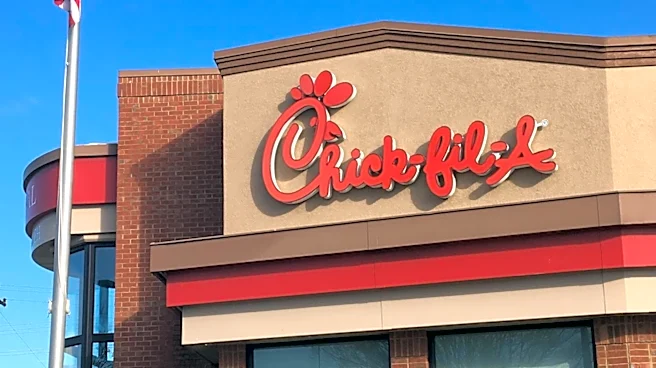
Chick-fil-A has opened a new restaurant in Honolulu, Hawaii, situated at the intersection of Kapiolani Boulevard and Kalakaua Avenue, bordering Waikiki and Ala Moana. This new establishment marks the popular chain's arrival in Hawaii, a location that
previously housed several iconic businesses. The property, which has a long history in Honolulu, was originally Coco’s Coffee House from 1960 to 1986, followed by the Hard Rock Cafe from 1987 to 2009, and then Honolulu Coffee Company from 2014 to 2024. A distinctive feature of this new Chick-fil-A is the absence of a drive-thru; instead, customers are encouraged to park and enter the restaurant, which also offers a dedicated mobile pickup area. The interior is spacious, providing ample indoor and outdoor seating, and retains some of the original building's character while incorporating Chick-fil-A's aesthetic. The restaurant is also pet-friendly, offering water bowls for dogs, and includes space suitable for events, benefiting from its proximity to the Hawaii Convention Center.
Why It's Important?
The opening of Chick-fil-A in Honolulu signifies a notable expansion for the fast-food chain into a new U.S. market, reflecting its continued growth and strategic placement in high-traffic tourist and residential areas. For the local economy, this new business creates job opportunities and adds to the dining landscape of Honolulu, particularly in the vibrant Ala Moana and Waikiki districts. The choice of a historic site for the restaurant highlights a trend of repurposing existing structures, which can contribute to urban revitalization and preserve a sense of place while introducing modern commercial ventures. The absence of a drive-thru at this location could influence local traffic patterns and consumer behavior, potentially encouraging more walk-in business and reducing vehicle congestion in an already busy area. Furthermore, the establishment of a major national brand in a prominent location can impact local real estate values and commercial development, as new businesses and amenities often draw further investment and activity to a neighborhood.
What's Next?
The new Chick-fil-A location is expected to become a significant dining destination for both residents and tourists in Honolulu, given its strategic position between Waikiki and Ala Moana and its proximity to the Hawaii Convention Center. Its unique operational model, without a drive-thru, will likely shape customer flow and local traffic dynamics, potentially setting a precedent for future urban developments in the area. The success of this location could encourage further expansion of Chick-fil-A or other national chains into the Hawaiian market, adapting to local conditions and consumer preferences. Local businesses and real estate stakeholders will be observing the impact of this new establishment on the surrounding commercial environment, as it could influence future investment decisions and the evolution of the neighborhood's character. The restaurant's pet-friendly amenities and event spaces suggest an effort to integrate into the community and cater to diverse needs, which may foster community engagement and attract a broader customer base.
Beyond the Headlines
The transformation of this historic Honolulu property from Coco’s Coffee House to Hard Rock Cafe, then Honolulu Coffee Company, and now Chick-fil-A, reflects the continuous evolution of urban landscapes and consumer tastes. This site serves as a microcosm of Honolulu's commercial history, illustrating how properties adapt to changing economic and cultural trends over decades. The decision by Chick-fil-A to forgo a drive-thru at this location could signal a broader shift in urban planning and fast-food operations, prioritizing pedestrian access and local integration over vehicle-centric convenience in dense city centers. This approach might influence future development strategies in other U.S. cities facing similar challenges of congestion and limited space. The blend of a nationally recognized brand with a site rich in local history also raises questions about cultural preservation versus commercial modernization, and how new businesses can honor the past while shaping the future identity of a neighborhood.