







What's Happening?
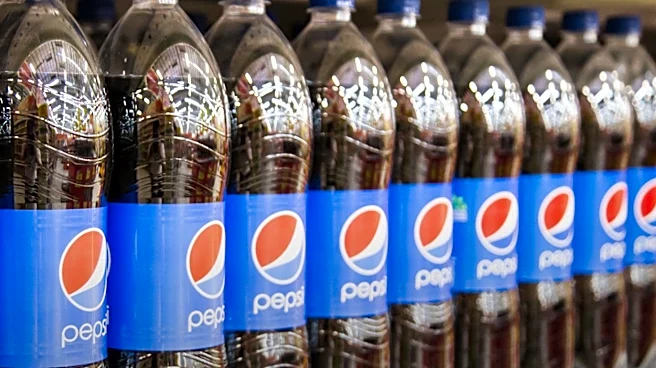
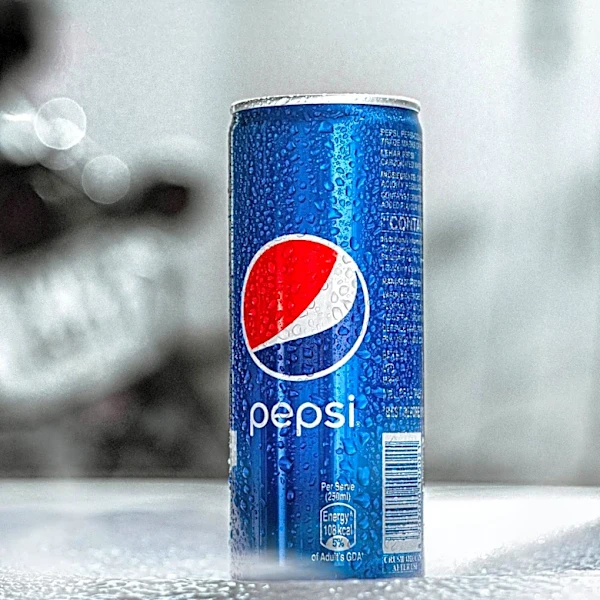
Taco Bell and PepsiCo have announced an 11-year extension of their beverage partnership in the U.S., continuing a relationship that has spanned over two decades. The renewed agreement, effective October 22, 2026, ensures that PepsiCo's beverage portfolio,
including Pepsi, Mountain Dew, Starry, and exclusive offerings like Mountain Dew Baja Blast and Baja Midnight, will remain available at participating Taco Bell, Taco Bell Cantina, and Live Más Cafe locations nationwide through 2036. This collaboration has previously led to the creation of successful products such as Mountain Dew Baja Blast, now a billion-dollar brand, and DORITOS Locos Tacos. The partnership will also extend internationally to Canada, the United Kingdom, Ireland, and Thailand, with a focus on localized innovation. Both companies emphasize that this is more than a supply contract; it's a co-development engine aimed at driving growth and meeting evolving consumer needs.
Why It's Important?
This extended partnership is significant for the quick-service restaurant (QSR) industry as it highlights the strategic value of long-term collaborations between restaurant chains and beverage suppliers. The success of exclusive products like Mountain Dew Baja Blast demonstrates how proprietary offerings can drive customer traffic and build brand loyalty, making a beverage a destination item rather than just a standard menu option. For QSR operators, this deal serves as a case study in transforming a beverage supplier into a growth partner through co-development and innovation. The focus on emerging trends such as crafted, functional, and energy beverages, particularly those targeting Gen Z consumers for morning and afternoon dayparts, indicates a broader industry shift towards diversifying beverage menus to capture new consumption occasions and increase check sizes. This strategic alignment allows both Taco Bell and PepsiCo to invest in long-term research and development, equipment, and marketing efforts that would be unfeasible with shorter-term agreements.
What's Next?
The next phase of the Taco Bell and PepsiCo partnership will concentrate on developing new offerings in the crafted, functional, and energy beverage categories. This includes creating energy drinks specifically aimed at Gen Z consumers to expand sales during morning and afternoon hours, moving beyond traditional meal times. The companies are already working on initiatives like Refrescas, a premium beverage platform designed for elevated pairings, and an expanded range of crafted and functional drinks. This signals a continued push for innovation driven by consumer insights, with both companies collaborating on development and execution. For consumers, this could mean a wider variety of unique and exclusive beverage options at Taco Bell locations. For the broader foodservice industry, this partnership's direction will likely influence other chains and suppliers to explore similar co-development strategies and focus on emerging beverage trends to capture market share and enhance customer experience.
Beyond the Headlines
The extended partnership between Taco Bell and PepsiCo underscores a deeper trend in the food and beverage industry: the increasing importance of strategic alliances and co-creation in driving market differentiation and consumer engagement. Beyond the immediate financial implications, this collaboration highlights how exclusive product offerings can cultivate a strong brand identity and foster a cult-like following, as seen with Mountain Dew Baja Blast. This model challenges the traditional supplier-client relationship, transforming it into a more integrated, innovation-focused partnership. The emphasis on functional and energy beverages also reflects a broader cultural shift towards health-conscious and performance-oriented consumption, indicating that beverage menus are evolving to meet diverse lifestyle needs. This long-term commitment allows for sustained investment in research and development, potentially leading to groundbreaking products that could redefine beverage categories and influence consumer preferences for years to come, setting a precedent for how major brands approach product development and market strategy.