




What's Happening?
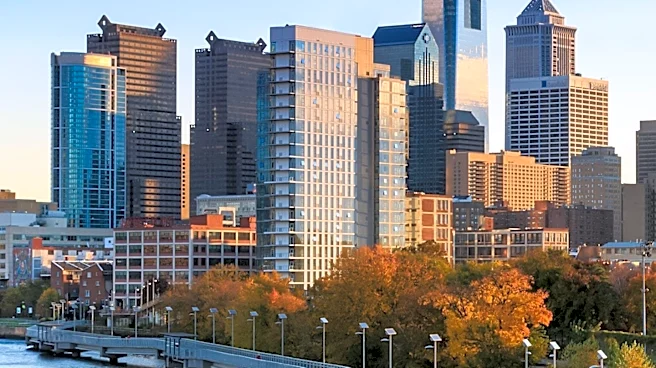
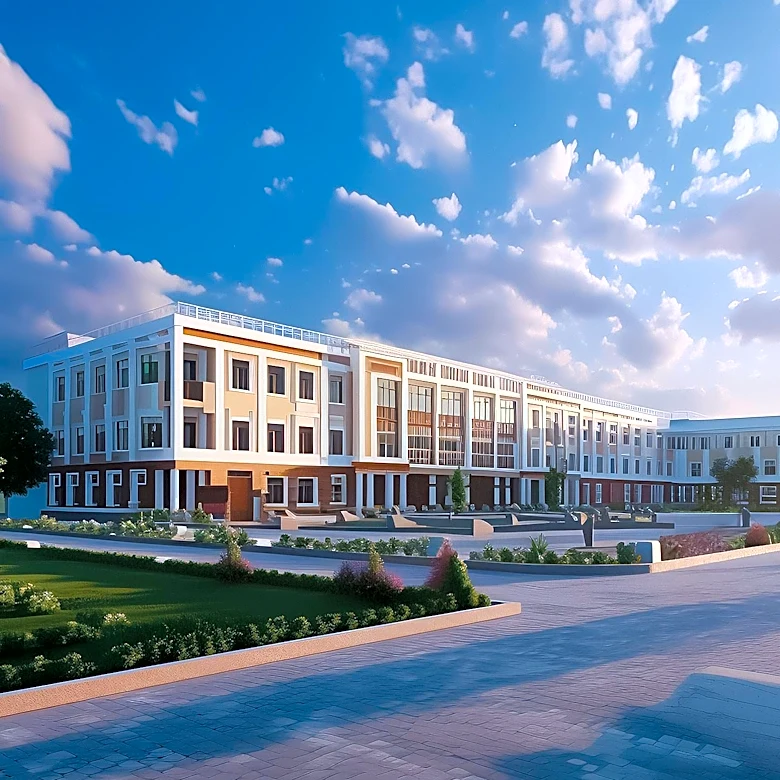
PMC Property Group, Philadelphia's largest apartment owner, has proposed the construction of a 31-story, 372-unit apartment building at 24th and Walnut Streets. The proposed 358-foot-tall tower would also include 118 parking spaces and a swimming pool.
This development would necessitate the demolition of a 110-year-old building currently on the site, known for its Phillies mural by David McShane. The property at 200-10 S. 24th St. is currently zoned exclusively for industrial use, and PMC is seeking a legislative zoning change to permit residential household living. This change requires the support of City Council President Kenyatta Johnson and the Center City Residents Association (CCRA). The presentation to CCRA on Thursday night was part of ongoing negotiations, as the industrial zoning does not allow for residential use.
Why It's Important?
This proposed high-rise development is significant for Philadelphia's urban landscape and housing market. As the city's largest apartment developer, PMC Property Group's continued investment in new projects, even during a development slowdown, indicates a strong belief in the demand for Center City living. The project would add a substantial number of new housing units, potentially impacting rental prices and availability in the area. The need for a legislative zoning change highlights the complexities of urban development, where historical land use regulations must be reconciled with modern housing needs. The involvement of the City Council President and local community organizations underscores the political and social dimensions of such large-scale projects, as community feedback and political support are crucial for their realization. The potential loss of the Phillies mural also raises questions about preserving public art and cultural landmarks in the face of development.
What's Next?
Following the public meeting, the Center City Residents Association (CCRA) will consider public feedback and its board will vote on whether to support the zoning change. A bill to change the property's zoning cannot be introduced until September 17, when the City Council reconvenes. If CCRA supports the project, it will then proceed to a hearing with the City Council for evaluation. The development process, assuming all approvals are secured, is anticipated to take approximately two and a half years. PMC Property Group has also indicated willingness to work with CCRA on the fate of the Phillies mural and to consider providing some public parking to offset spaces lost due to demolition. Alternatively, PMC could seek relief from industrial land use regulations from the Zoning Board of Adjustment, though this is often a lengthy and unpredictable process.
Beyond the Headlines
The proposed development by PMC Property Group touches upon broader themes of urban revitalization, the balance between historical preservation and modern development, and the role of community engagement in shaping cityscapes. The current industrial zoning of the property reflects a past era of urban planning, and the push for residential high-rises signifies a shift towards denser, mixed-use urban environments. The debate over the Phillies mural highlights the tension between economic development and cultural heritage, prompting discussions on how cities can grow while retaining their unique character. Furthermore, the reliance on legislative zoning changes rather than administrative processes underscores the political nature of large-scale urban projects, where the support of elected officials and community groups can be as critical as financial backing. This project could set a precedent for how similar industrially zoned properties along the Schuylkill River are redeveloped in the future.