


What's Happening?
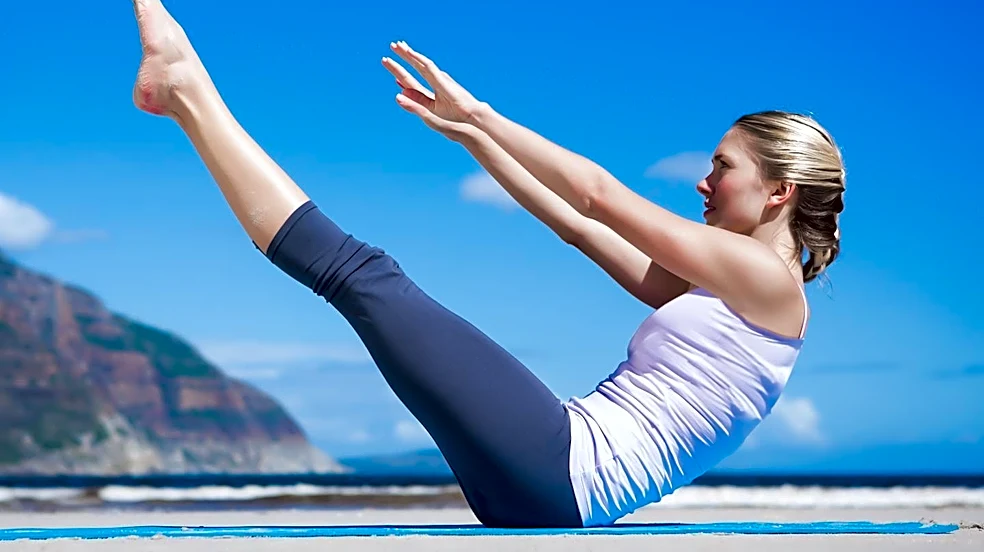
Pilates is an exercise method focused on enhancing body movement and alignment through controlled breathing, activation of deep and small muscles, and slow, concentrated movements. This discipline aims to strengthen core muscles, improve flexibility,
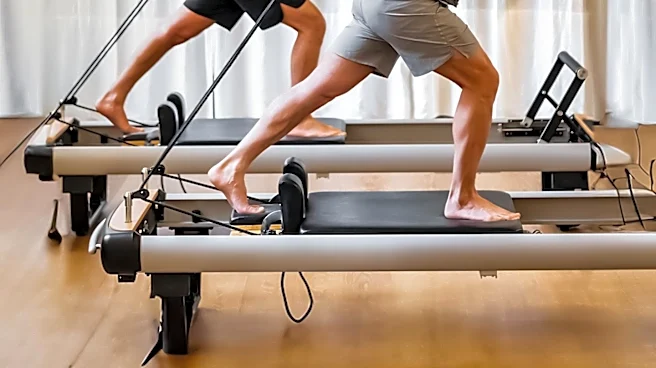
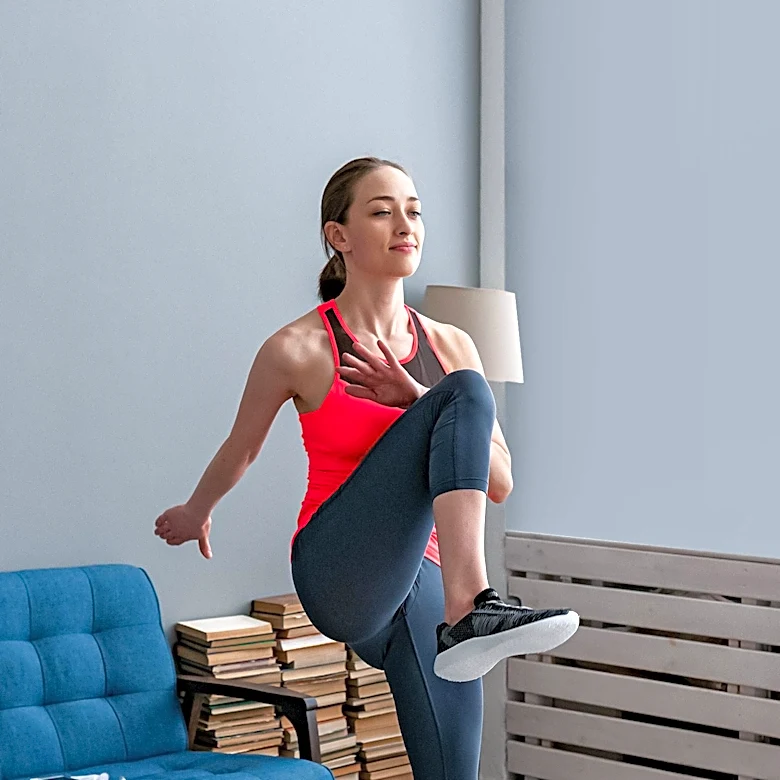
and correct body posture. There are various forms of Pilates, including Mat Pilates, which is performed on a mat, and Reformer Pilates, which utilizes a specialized machine. Other types include Classical Pilates, adhering to Joseph Pilates' original exercises, Contemporary Pilates, and Clinical Pilates. Combining Pilates with cardio exercises is considered beneficial, as Pilates strengthens the core, crucial for stability during cardio, while cardio improves heart health and burns calories. This combination offers a balanced approach to fitness, enhancing both physical strength and cardiovascular health.
Why It's Important?
The growing interest in Pilates highlights a broader societal shift towards holistic fitness approaches that prioritize both physical and mental well-being. For individuals, the practice offers significant benefits such as injury prevention, particularly when engaging in high-impact activities like cardio, by improving flexibility and muscle balance. Economically, the increasing popularity of Pilates supports a thriving fitness industry, including specialized studios, equipment manufacturers, and certified instructors. This trend also influences public health by promoting accessible forms of exercise that can reduce stress and improve overall mental well-being, potentially leading to lower healthcare costs associated with chronic conditions and stress-related ailments. The emphasis on proper form and individualized instruction, especially for conditions like sciatica, underscores a move towards more personalized and effective exercise regimens, benefiting consumers seeking tailored fitness solutions.
What's Next?
The integration of Pilates with other fitness modalities, such as cardio, is likely to continue expanding, leading to more hybrid workout programs like 'Pilates Cardio Fusion.' This trend suggests a future where fitness routines are increasingly customized to individual needs and fitness levels, moving away from generic exercise plans. Fitness professionals will likely focus more on initial assessments to tailor programs, especially for clients with specific conditions like sciatica, ensuring safer and more effective workouts. The demand for specialized Pilates instructors and studios offering diverse equipment and class types is expected to grow. Furthermore, the emphasis on comfortable, fitted attire and grip socks for hygiene and safety will continue to shape the market for athletic wear and accessories, reflecting the evolving standards within the fitness community.
Beyond the Headlines
The rise of Pilates reflects a deeper cultural appreciation for mindful movement and body awareness, moving beyond purely aesthetic fitness goals. This practice encourages individuals to connect with their bodies, understand their physical limitations, and work towards sustainable health improvements. The requirement for grip socks and specific attire in Pilates studios, while seemingly minor, underscores a broader concern for hygiene and safety in shared fitness environments, influencing industry standards and consumer expectations. Ethically, the personalized approach of Pilates, particularly in addressing conditions like sciatica, highlights the importance of professional guidance and avoiding one-size-fits-all solutions in health and wellness. This focus on individualized care and the integration of physical and mental health aspects positions Pilates as more than just an exercise, but as a component of a comprehensive lifestyle choice.