


What's Happening?
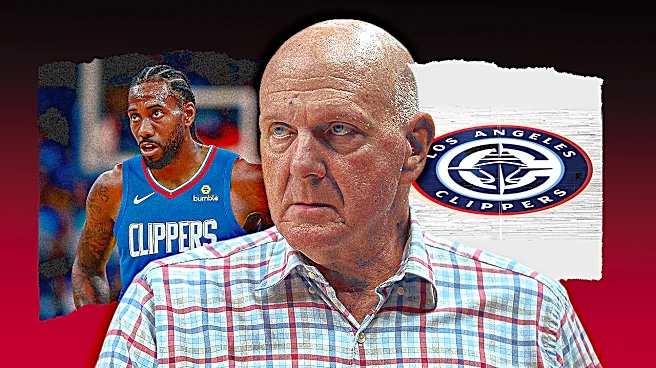
The NBA has suspended Los Angeles Clippers owner Steve Ballmer for one year and fined the team $30 million, in addition to stripping them of five future first-round draft picks (2029, 2030, 2031, 2032, and 2033). These penalties stem from an investigation
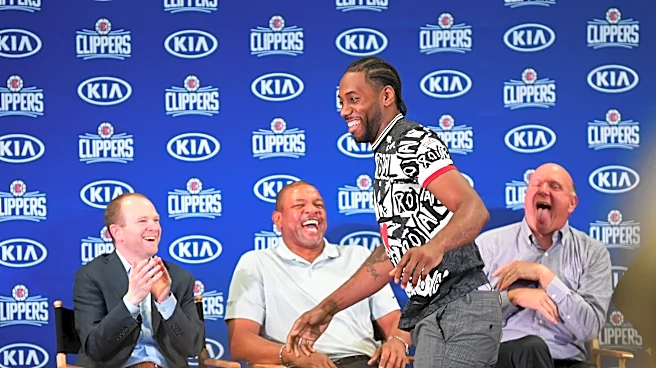
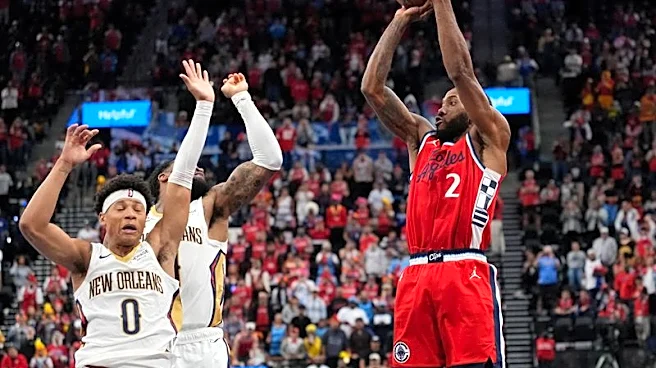
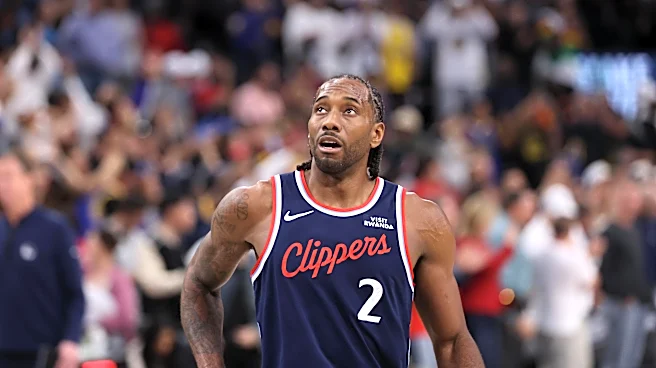
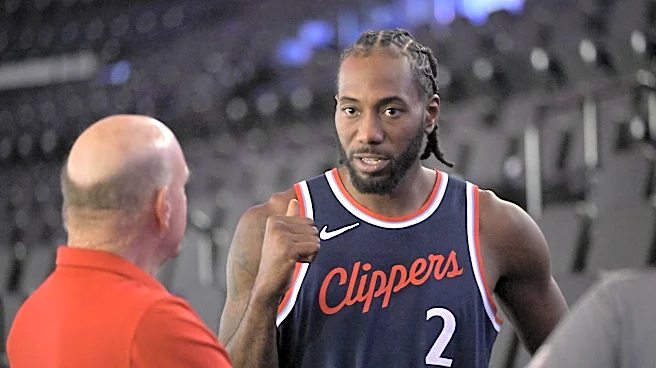
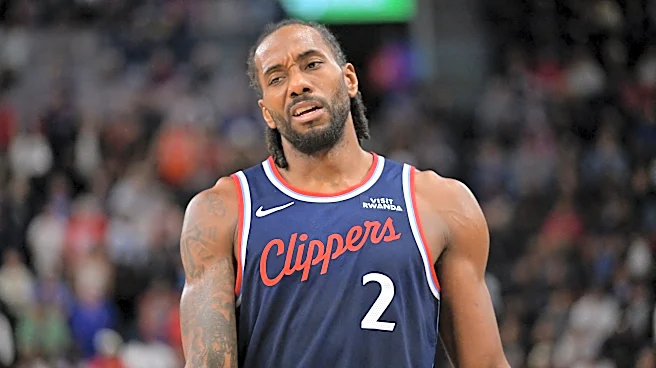
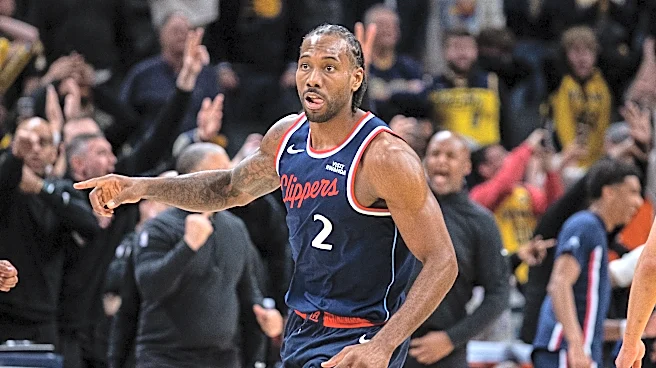
into salary-cap circumvention related to Kawhi Leonard's contract. The league found that the Clippers used a now-bankrupt company, Aspiration Fund Adviser LLC, to pay Leonard $28 million in endorsements and millions more in company stock, on top of his official NBA contract. The NBA prohibits teams from brokering endorsement deals to sweeten compensation packages for players. Ballmer and the Clippers have denied any wrongdoing, with Ballmer's attorney calling the investigation a 'witch hunt.' The NBA's investigation was reopened following detailed reporting by podcast journalist Pablo Torre. In addition to Ballmer, team president of business operations Gillian Zucker received a one-year suspension without pay, and team president of basketball operations Lawrence Frank was suspended for six months without pay. Kawhi Leonard was also fined $700,000.
Why It's Important?
This ruling is one of the harshest penalties in NBA history, underscoring the league's commitment to maintaining the integrity of its salary cap system. The salary cap is a fundamental component designed to ensure competitive balance across teams, preventing wealthier owners from simply buying up all top talent and creating an unchallengeable super-team. The severe sanctions against the Clippers and Ballmer send a clear message that circumvention of these rules will not be tolerated, regardless of the owner's financial standing. For the Clippers, the loss of five first-round draft picks is a significant blow to their long-term team building and future competitiveness, impacting their ability to acquire young talent through the draft for nearly half a decade. The suspensions of key executives also disrupt the team's operational leadership. This case highlights the ongoing tension between team owners' desire to win at all costs and the league's regulatory framework aimed at fostering fair competition.
What's Next?
The Los Angeles Clippers and Steve Ballmer have vehemently rejected the NBA's findings and penalties, indicating their intention to challenge the decision through every available legal avenue, including arbitration. This suggests a potentially protracted legal battle between the team and the league. Ballmer's attorney has already sent a letter to NBA Commissioner Adam Silver, arguing that the investigation was biased and lacked due process. While the NBA's decisions are typically considered final and binding, the Clippers' strong stance could lead to an appeal process. The team will also need to navigate the immediate future without its owner and key executives for significant periods, which could impact team operations, player relations, and public perception. The long-term impact on the team's roster construction due to the forfeited draft picks will also become a critical challenge in the coming years.
Beyond the Headlines
This incident delves into the ethical and legal complexities surrounding player recruitment and compensation in professional sports. The NBA's investigation revealed a pattern of misconduct that extended beyond a single endorsement deal, involving multiple companies doing business with the team. The findings suggest a deliberate attempt to obscure payments to a star player, raising questions about transparency and accountability within the league. The fact that the initial allegations were brought to light by a podcast journalist, rather than internal league mechanisms, also highlights the evolving role of independent media in holding powerful institutions accountable. Furthermore, the case touches upon the immense wealth of team owners, like Ballmer, and the potential for that wealth to create loopholes in regulations designed to ensure fairness. The Clippers' argument of a 'witch hunt' and lack of due process, if pursued legally, could set precedents for how professional sports leagues conduct investigations and enforce their rules against powerful owners.