


What's Happening?
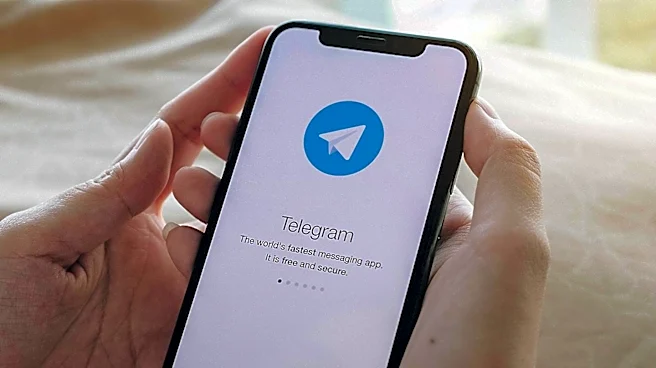
Telegram has released the Terms of Service for its Gram Wallet, clarifying that Telegram itself does not operate the wallet, hold user keys, or manage assets. Gram Wallet is described as an optional, non-custodial wallet connected with Telegram apps,
allowing users to hold, send, receive, and manage Gram, the native token of The Open Network (TON), and other supported blockchain assets. The wallet is operated by RAZOR UNIVERSAL CORP., a Panamanian company. Users' private keys and recovery phrases are generated and stored on their devices, meaning neither RAZOR nor Telegram can access, freeze, seize, move, recover, or reverse user assets. This non-custodial design places full responsibility for key and phrase security on the user. The terms also state that accessing Gram Wallet through Telegram links a user's Telegram account to their TON address, making the wallet address and total balance potentially visible to others visiting their Telegram profile. While Telegram's interface does not show transaction history, all transactions are publicly recorded on the TON blockchain.
Why It's Important?
The non-custodial nature of Gram Wallet is a critical aspect for users, as it means they retain complete control and responsibility over their digital assets. This design choice aligns with the decentralized ethos of many blockchain technologies, offering enhanced security against centralized hacks or seizures but also placing a significant burden on users to safeguard their recovery phrases. The public visibility of TON addresses and balances when linked to Telegram profiles raises privacy considerations for users, as their financial activity on the blockchain, though not directly tied to their Telegram transaction history, becomes discoverable by anyone searching their wallet address. This transparency could impact user adoption, particularly for those prioritizing anonymity in their digital transactions. The involvement of a Panamanian company, RAZOR UNIVERSAL CORP., as the operator of Gram Wallet, also highlights the international and often complex legal frameworks surrounding cryptocurrency services.
What's Next?
Users of Gram Wallet will need to carefully review and understand these terms, particularly regarding the non-custodial nature and their responsibility for securing private keys and recovery phrases. The public visibility of TON addresses and balances when linked to Telegram profiles may prompt users to adjust their privacy settings or consider the implications of linking their digital asset holdings to their social media identities. RAZOR UNIVERSAL CORP. will continue to operate the wallet under these terms, with potential future updates to supported blockchains, features, or regional availability. The ongoing development of The Open Network (TON) and its native token, Gram, will also influence the utility and adoption of Gram Wallet, potentially expanding its use cases beyond current offerings like collectible items and usernames.
Beyond the Headlines
The design of Gram Wallet reflects a broader trend in the cryptocurrency space towards non-custodial solutions, empowering users with greater control over their assets but also demanding a higher level of personal responsibility for security. This shift away from centralized custodians mitigates risks associated with single points of failure and censorship, aligning with the core principles of blockchain technology. However, it also introduces new challenges, such as the irreversible loss of funds if recovery phrases are misplaced or compromised. The integration of a blockchain wallet with a widely used messaging platform like Telegram could significantly increase mainstream exposure to decentralized finance, but the privacy implications of linking public blockchain addresses to personal profiles will likely remain a point of discussion and concern for users navigating the evolving landscape of digital identity and financial transparency.