






What's Happening?
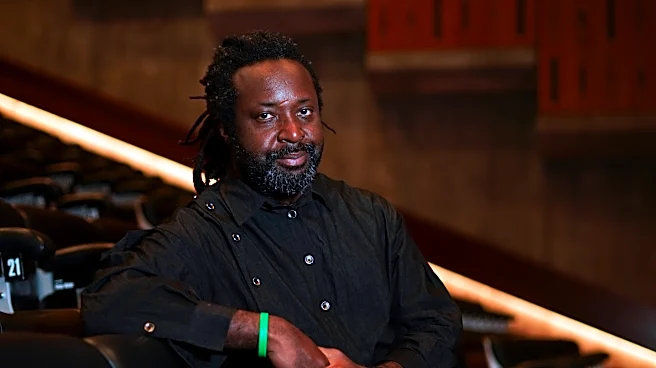
Jamaican author Marlon James and Scottish author Douglas Stuart are contenders for their second Booker Prize, with the prestigious fiction award set to be announced in London. Both authors are on a six-book shortlist, which also includes Pulitzer Prize winner
Elizabeth Strout. James is favored by oddsmakers for his novel 'The Disappearers,' which explores the lives of gay men in 1980s Jamaica. Stuart's 'John of John' delves into father-son secrets on a remote Scottish island. If either author wins, they would join a select group of five writers who have received the Booker Prize twice. James previously won in 2015 for 'A Brief History of Seven Killings,' and Stuart won in 2020 for 'Shuggie Bain.' The shortlist was narrowed down from 163 submitted novels, with judges describing the finalists as 'moving, pacey, funny, violent, intriguing, horrifying and hopeful.' The Booker Prize, established in 1969, is awarded to novels written in English and published in the U.K. and Ireland, and is known for significantly boosting authors' careers.
Why It's Important?
The Booker Prize is one of the most significant literary awards globally, and its recognition can profoundly impact an author's career, sales, and international readership. For U.S. literary circles, the inclusion of Pulitzer Prize winner Elizabeth Strout on the shortlist highlights the continued cross-pollination and recognition of American authors on the international stage. The potential for James or Stuart to become a two-time winner underscores their sustained literary excellence and could elevate their status as contemporary literary giants, influencing future trends in fiction. The prize also brings significant attention to the themes and narratives explored in the nominated works, such as LGBTQ+ experiences in Jamaica ('The Disappearers') and complex family dynamics ('John of John'), fostering broader discussions and understanding of diverse human experiences. The increased visibility for these authors and their works can also translate into greater interest in their back catalogs and influence publishing decisions in the U.S. market.
What's Next?
The Booker Prize winner will be announced on Monday in London, concluding the current cycle of the prestigious literary award. Following the announcement, the winning author and their book are expected to experience a significant surge in sales and media attention globally, including in the U.S. This often leads to increased demand for the book in bookstores and libraries, as well as potential film or television adaptations. The winning author will likely embark on a series of interviews, readings, and literary events, further amplifying their work and the themes it addresses. For the other shortlisted authors, including Elizabeth Strout, the nomination itself provides a substantial boost in recognition and readership. The literary community will closely watch the outcome, as the Booker Prize often sets trends and highlights significant voices in contemporary fiction, influencing critical discourse and reader preferences for the coming year.
Beyond the Headlines
The Booker Prize's influence extends beyond immediate sales and recognition, shaping the literary landscape and cultural discourse. The selection of novels like 'The Disappearers,' which addresses the experiences of gay men in 1980s Jamaica, highlights the prize's role in bringing diverse voices and often marginalized narratives to a global audience. This can foster greater empathy and understanding across different cultures and social contexts. The prize also implicitly influences literary trends, encouraging publishers and writers to explore similar themes or narrative styles that gain critical acclaim. Furthermore, the ongoing debate and discussion surrounding the shortlisted books contribute to a vibrant intellectual environment, encouraging critical engagement with literature and its role in reflecting and shaping society. The long-term impact of a Booker win can solidify an author's place in literary history, influencing academic study and future generations of writers.