



What's Happening?
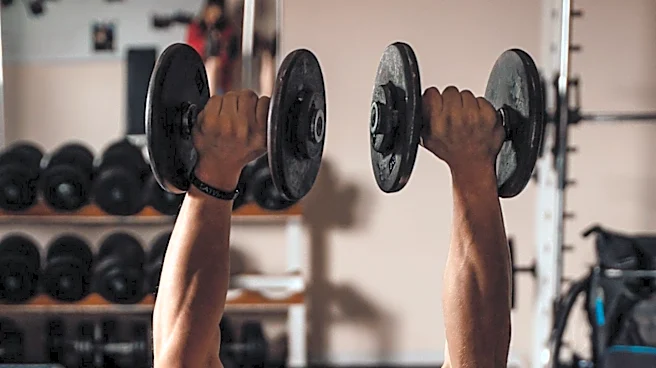
For men over 30 seeking to build a stronger and more muscular chest, a focused approach using dumbbells is highly effective. The article highlights that complex training or a gym full of machines is not necessary. Instead, a pair of dumbbells, a stable
bench, and a sensible plan can cover the essentials. Dumbbells are particularly useful as each arm works independently, allowing for a comfortable range of motion and addressing strength imbalances. The primary goal is to apply challenging, repeatable training to stimulate pectoral muscles, build pressing strength, and ensure consistent training. Key principles for muscle growth, such as adequate weekly training volume, progressive overload, and high-effort sets, are emphasized. For this demographic, exercise selection also needs to consider recovery, shoulder comfort, work demands, and past training history. The article suggests that training does not need to be cautious but should involve movements that can be progressively loaded, performed with sound technique, and maintained in a program for long-term improvement.
Why It's Important?
This information is important for a significant demographic of men over 30 who may be looking to maintain or improve their physical fitness and muscle mass. As individuals age, muscle loss can become a concern, impacting overall health, mobility, and quality of life. The guidance provided offers a practical, accessible, and sustainable method for resistance training, which is crucial for combating age-related muscle decline. By focusing on dumbbell exercises, the recommendations cater to those who might not have access to extensive gym equipment or prefer home workouts, thus broadening the reach of effective fitness strategies. The emphasis on proper technique, progressive overload, and recovery also promotes safer and more effective training practices, reducing the risk of injury and ensuring long-term adherence to exercise routines. This approach can contribute to improved physical health, increased strength, and enhanced body composition, positively impacting the well-being of this population segment.
What's Next?
Individuals interested in implementing these recommendations can start by incorporating the suggested exercises—dumbbell flat bench press, incline dumbbell bench press, and dumbbell fly—into their weekly routine. The article advises training the chest twice per week, distributing eight to twelve challenging sets across these sessions. Beginners should start at the lower end of this range, while more experienced lifters can gradually increase volume. It is crucial to track repetitions and weights to ensure progressive overload, which is a key driver of muscle adaptation. Beyond the exercises, attention to protein intake, sleep, and overall energy intake is vital for supporting muscle protein synthesis and recovery. Avoiding common mistakes such as treating every set as a strength test, letting shoulders dominate the movement, or frequently changing exercises will be critical for consistent progress and preventing injury. Adopting a consistent routine built around training, nutrition, and recovery will yield the best results.
Beyond the Headlines
The recommendations extend beyond mere exercise techniques, touching upon broader aspects of health and well-being for an aging population. The focus on sustainable and accessible training methods addresses the common barriers to fitness, such as time constraints, gym access, and fear of injury, which often deter individuals over 30 from engaging in strength training. By promoting independent dumbbell work, the article subtly encourages body awareness and the development of balanced strength, which can have functional benefits in daily life, reducing the risk of falls and improving overall physical resilience. Furthermore, the emphasis on consistency, progressive overload, and recovery highlights a holistic approach to fitness that integrates physical activity with nutrition and rest, underscoring the interconnectedness of these elements for long-term health. This approach can foster a more positive relationship with exercise, moving away from short-term, intense regimens towards a sustainable lifestyle change.