

What's Happening?
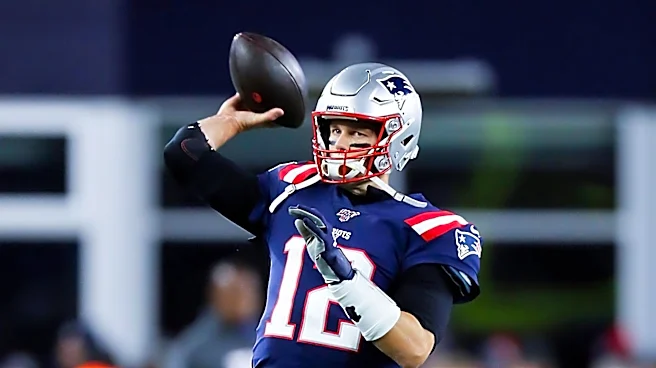
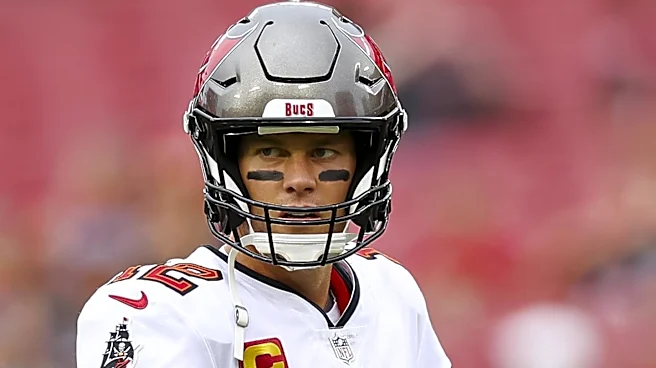
During FOX's coverage of a recent Green Bay Packers vs. Detroit Lions game, former NFL quarterback Tom Brady openly criticized several calls made by referee Alex Moore's crew. Brady, now a prominent voice in NFL broadcasting, questioned penalties such
as roughing the passer, arguing that some were unwarranted or 'bang-bang plays.' Pro Football Hall of Famer Cris Carter suggested that Brady's public critiques, given his stature as one of the greatest players in NFL history, could inadvertently influence how officials approach future calls on the field. Carter noted that when a figure like Brady repeatedly challenges officiating decisions on a national platform, it compels officials and the league to take notice. Brady's comments align with his long-standing criticism of the increasing lack of physicality in the modern game, a sentiment he has often expressed.
Why It's Important?
Tom Brady's transition from player to broadcaster carries significant weight due to his unparalleled career and deep understanding of the game. His commentary on officiating is not merely an opinion but a perspective from someone who has experienced the game at its highest level. This could lead to increased scrutiny of NFL officiating, potentially prompting the league to review its penalty guidelines or training for referees. If officials become more conscious of Brady's critiques, it could subtly alter how games are called, impacting game flow, player safety, and competitive outcomes. This situation highlights the growing influence of former players in media roles, particularly those with Brady's credibility, in shaping narratives and potentially influencing the sport's operational aspects. The debate over 'over-officiating' could gain further traction, affecting how the game is played and perceived by fans and participants alike.
What's Next?
The ongoing discussion surrounding Tom Brady's commentary on NFL officiating is likely to continue, especially as he further establishes his role in the broadcast booth. The league and its officiating department may face increased pressure to address concerns about penalty consistency and interpretation. Future broadcasts featuring Brady will likely see heightened attention on his reactions to controversial calls, potentially amplifying the debate. It remains to be seen if the NFL will issue any formal responses or adjustments to officiating practices in light of these high-profile criticisms. Stakeholders, including coaches, players, and fans, will be watching to see if Brady's influence leads to any tangible changes in how games are officiated or if it primarily serves to fuel public discourse on the subject.
Beyond the Headlines
Beyond the immediate impact on officiating, this situation touches upon the broader ethical considerations of former athletes transitioning into media roles. While their expertise is invaluable, their past status can create an implicit authority that might sway public opinion and even professional conduct. The dynamic between media commentary and professional sports operations is complex; while transparency and critique are vital, the potential for undue influence raises questions about the boundaries of sports analysis. This scenario also underscores the evolving nature of sports media, where star power can translate into significant leverage, potentially blurring the lines between objective analysis and advocacy for certain interpretations of the game. It highlights how the 'greatest player' narrative can extend beyond the field, impacting the very rules and their enforcement.