







What's Happening?
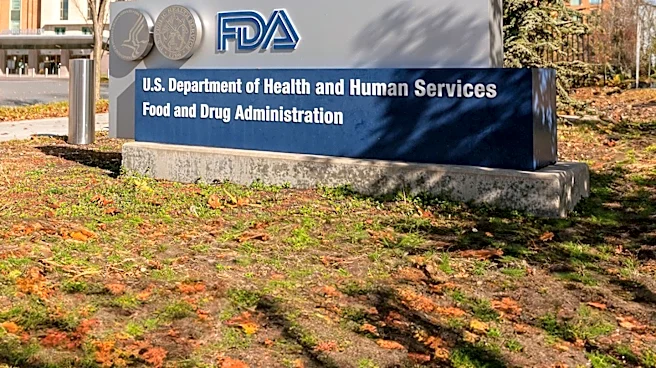
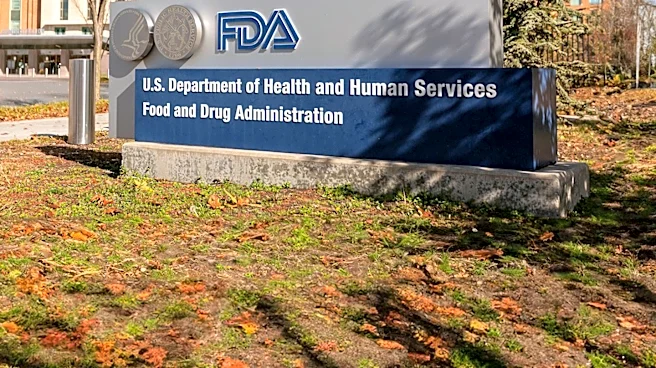
The U.S. Food and Drug Administration (FDA) has extended its review period for Exelixis' investigational drug zanzalintinib, intended for the treatment of colorectal cancer. The regulatory agency requested additional data before making a decision on the drug's
approval. This extension pushes the anticipated decision date from December 3, 2026, to March 3, 2027. Zanzalintinib is a promising candidate in Exelixis' pipeline, with the company aiming to replicate the success of its existing cancer drug, Cabometyx. The drug is being tested across various cancer types, including renal cell carcinoma and certain lung cancers, with the potential to become a 'pipeline-in-a-drug' by securing multiple indications.
Why It's Important?
This delay in FDA approval for zanzalintinib could impact Exelixis' near-term growth projections and investor sentiment. While the company's primary revenue driver, Cabometyx, is performing well and is protected from generic competition until at least January 2030, the timely approval of new drugs like zanzalintinib is crucial for long-term sustainability and growth. Colorectal cancer is the second leading cause of cancer death globally, indicating a significant market opportunity for effective treatments. The potential of zanzalintinib to generate substantial sales across multiple indications, estimated by some analysts to reach $4.5 billion in U.S. sales by 2033, highlights its importance for Exelixis' future revenue streams, especially as Cabometyx eventually faces generic challenges.
What's Next?
Exelixis will now focus on providing the additional data requested by the FDA to support the approval of zanzalintinib for colorectal cancer. The new decision is expected by March 3, 2027. In the interim, Exelixis will continue to rely on the strong performance of Cabometyx, which has several years of market exclusivity remaining. The company also has a deep pipeline of other drug candidates, mostly in early-stage studies, which could contribute to future growth. Exelixis will likely continue its strategy of developing zanzalintinib for additional cancer indications, following the successful multi-indication approach used for Cabometyx, to maximize its market potential.
Beyond the Headlines
The FDA's request for more data underscores the rigorous and often lengthy process of drug approval, particularly for complex diseases like cancer. This situation highlights the inherent risks and uncertainties in pharmaceutical development, where even promising drugs can face delays. For patients awaiting new treatment options for colorectal cancer, this extension means a longer wait for a potentially life-extending therapy. For the broader pharmaceutical industry, it reinforces the importance of robust clinical trial design and comprehensive data submission to navigate regulatory hurdles. The outcome of this review will not only affect Exelixis but also contribute to the evolving landscape of cancer treatment options.