




What's Happening?
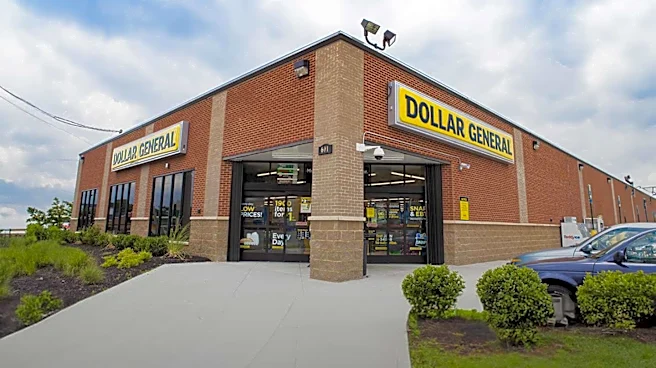
The Federal Trade Commission (FTC) and 30 U.S. states have filed an amended lawsuit against Dollar General, alleging that the retailer consistently charges customers higher prices at the register than those displayed on shelves, tags, and advertisements.
Ten additional states—Delaware, Georgia, Kentucky, Maine, Minnesota, New Mexico, Oregon, Rhode Island, South Carolina, and South Dakota—recently joined the original 20 states in the complaint. The lawsuit, filed in the U.S. District Court for the Middle of Tennessee, claims these practices violate the FTC Act, the Gramm-Leach-Bliley Act, and various state laws. The FTC asserts that Dollar General was aware of these pricing issues, which have reportedly cost shoppers 'millions of dollars,' but failed to implement adequate safeguards or corrective measures. Dollar General has not publicly commented on the amended complaint, though it previously stated it would fight the case, citing occasional pricing errors and upgraded price-accuracy processes.
Why It's Important?
This lawsuit carries significant implications for consumer protection and retail industry practices across the U.S. For consumers, particularly those who rely on discount retailers like Dollar General for essential goods, accurate pricing is crucial. Discrepancies at the register can erode trust and disproportionately affect lower-income households. For Dollar General, a company with over 21,000 stores and a stated emphasis on 'price is paramount' for its customers, these allegations directly challenge its core business model and brand promise. A potential court-ordered injunction could mandate specific pricing accuracy routines across all its stores, which might be more financially impactful than a monetary penalty. The growing coalition of states joining the lawsuit amplifies the legal and reputational risks for the company, as each state can bring its own consumer-protection claims and penalties, potentially leading to a substantial cumulative financial burden.
What's Next?
The legal proceedings will continue in the U.S. District Court for the Middle of Tennessee. The FTC is seeking a permanent injunction, a monetary judgment, and civil penalties against Dollar General. While the exact overcharges remain unquantified in the complaints, the involvement of 30 states suggests a significant legal battle ahead. Dollar General's next quarterly report, expected before the market opens on Thursday, December 3, will be closely watched for any legal reserves or settlement disclosures that could indicate the company's strategy or financial preparedness for the lawsuit. The company's stock performance, which has historically shown less volatility than the broader market, could be influenced by further developments in the case, particularly if more states join or if a settlement becomes imminent. Both sides previously engaged in settlement discussions, indicating a potential for an out-of-court resolution, though terms were not agreed upon.
Beyond the Headlines
The lawsuit against Dollar General highlights a broader issue of pricing integrity in retail, particularly in discount sectors where consumers are highly price-sensitive. Beyond the immediate financial and legal consequences for Dollar General, this case could set precedents for how regulatory bodies enforce pricing accuracy and consumer protection laws across the retail industry. It underscores the ethical responsibility of retailers to ensure that advertised prices match those charged at checkout, a fundamental aspect of consumer trust. The FTC's aggressive stance, supported by a large coalition of states, signals a heightened regulatory focus on deceptive pricing practices. This could prompt other large retailers to review and strengthen their internal pricing accuracy protocols to avoid similar legal challenges, potentially leading to a more transparent and trustworthy shopping experience for consumers nationwide.