


What's Happening?
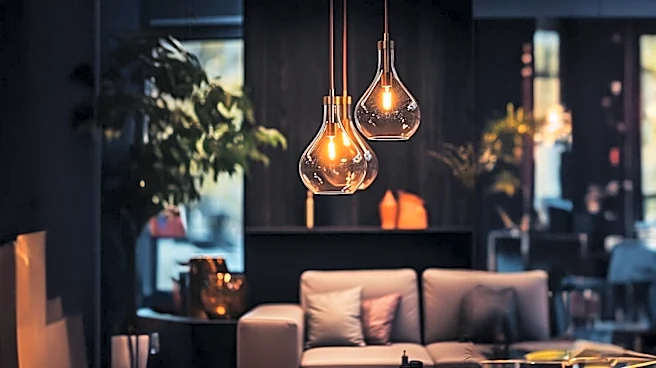
Pendant lights have emerged as a highly popular choice for adding personality and functionality to modern U.S. interiors. Unlike recessed lighting, which blends into the ceiling, pendants act as visual elements that define a room's aesthetic. They offer
versatility in design, material, and color, allowing homeowners to experiment with various styles. These fixtures are effective in anchoring seating areas, highlighting kitchen counters, or creating a warm ambiance in reading nooks. Their popularity stems from their ability to provide focused, directional light where needed, such as task lighting over a kitchen island or a dramatic focal point in an entryway. The selection process involves considering the room's scale, matching materials to the interior design, and prioritizing the quality and warmth of the light emitted, with warm white bulbs (2700K to 3000K) generally preferred for a welcoming atmosphere.
Why It's Important?
The widespread adoption of pendant lighting signifies a significant trend in the U.S. home decor and interior design market. This shift impacts manufacturers, retailers, and designers, as demand for diverse pendant styles, materials, and smart lighting features continues to grow. For consumers, pendant lights offer an accessible way to update and personalize their living spaces without extensive renovations, influencing purchasing decisions and design preferences. The emphasis on both aesthetics and functionality means that lighting is no longer just a utility but a key component of home value and lifestyle. This trend also encourages innovation in lighting technology, including energy-efficient LED options and flexible installation solutions like plug-in pendants, catering to a broader range of homeowners, including renters.
What's Next?
The market for pendant lighting is expected to continue its growth, with an increasing focus on sustainable materials, smart home integration, and customizable designs. Manufacturers may introduce more modular pendant systems that allow for greater personalization in terms of shape, size, and light distribution. The demand for easy-to-install and flexible lighting solutions, such as plug-in options, is likely to rise, catering to a more transient and design-conscious demographic. Interior designers will continue to leverage pendant lighting as a primary tool for creating distinctive and functional spaces, further solidifying its role as a staple in modern U.S. homes. Educational resources for consumers on selecting and maintaining pendant lights will also become more prevalent.
Beyond the Headlines
The rise of pendant lighting reflects a deeper cultural appreciation for design and personalization within the home. It moves beyond purely utilitarian lighting to embrace lighting as an art form and a means of self-expression. This trend also highlights the increasing importance of creating multi-functional spaces, where lighting can adapt to different activities and moods. The ethical consideration of energy efficiency is also at play, with many modern pendants incorporating LED technology. Furthermore, the accessibility of diverse designs and price points democratizes sophisticated lighting, allowing a wider range of consumers to elevate their home aesthetics. This shift underscores a broader movement towards intentional living and the creation of environments that enhance daily life and personal well-being.