





What's Happening?
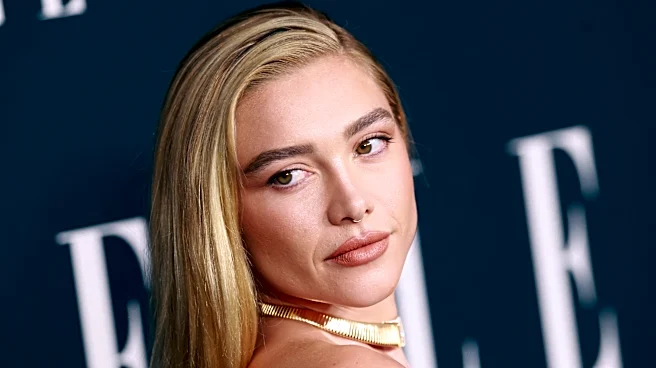
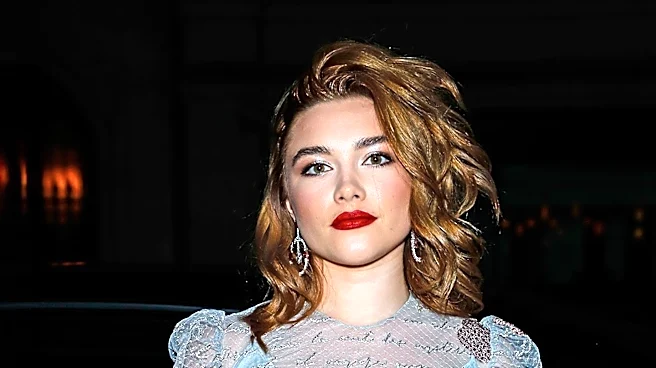
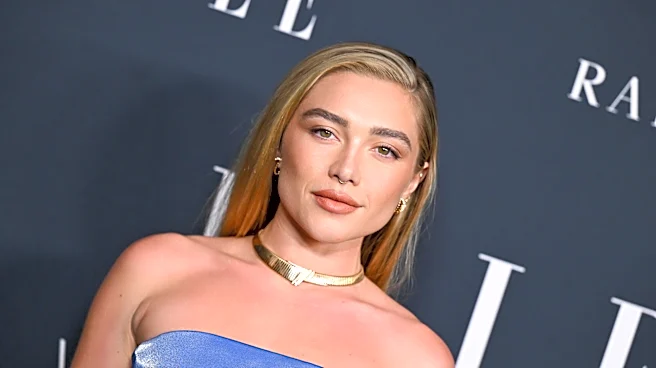
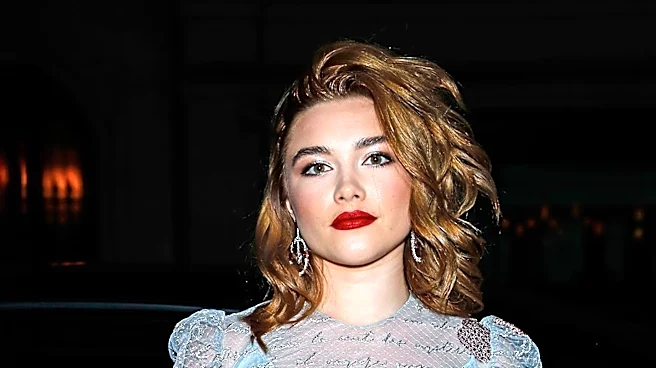
Hollywood actress Florence Pugh has publicly responded to a surge of online comments concerning her appearance after images from the Governors Awards went viral. In a lengthy Instagram post, Pugh expressed her distress over thousands of people discussing
her body and face in ways she found incomprehensible. She specifically denied undergoing cosmetic surgeries such as upper or lower blepharoplasty, fillers, face lipo, buccal fat removal, chin surgery, or nose surgery. Pugh also refuted claims that she has used weight-loss injections like Ozempic. She clarified that changes in her appearance are due to lifestyle adjustments made since turning 30, including improving her relationship with alcohol, exercising, and maintaining a healthy diet. Pugh highlighted that some reference images used in online discussions were from periods when she was mentally unhappy and abusing her body, contrasting them with her current state of happiness and self-respect.
Why It's Important?
This situation underscores the intense scrutiny public figures, particularly women, face regarding their physical appearance in the digital age. Pugh's response brings to light the pervasive nature of online speculation and the pressure to conform to evolving beauty standards. Her denial of cosmetic procedures and weight-loss drug use challenges the narrative often perpetuated online about celebrity transformations, advocating for a more realistic understanding of body changes influenced by lifestyle and well-being. The incident also highlights the potential for misinformation, as Pugh mentioned suing publications earlier in the year for publishing AI-generated images falsely depicting her receiving cosmetic injections. This raises concerns about the spread of fabricated content and its impact on individuals' reputations and mental health.
What's Next?
Pugh concluded her statement by urging followers to be mindful and gentle when discussing others' physical appearances, emphasizing that public figures are real people living real lives. This call to action may encourage a broader conversation about online etiquette and the responsibility of social media users. While there are no immediate scheduled decisions or next steps from Pugh, her stance could inspire other public figures to address similar issues. The ongoing discussion around AI-generated images and their potential for harm may also prompt further scrutiny of media ethics and the need for clearer distinctions between real and fabricated content. This event could contribute to a larger cultural shift towards greater body positivity and reduced judgment based on physical appearance.
Beyond the Headlines
Beyond the immediate controversy, Pugh's experience touches upon deeper ethical and societal implications. Her long-standing advocacy for body positivity and her history of speaking out against body shaming in the entertainment industry lend significant weight to her current message. The incident highlights the psychological toll that constant public dissection of one's appearance can take, even on established figures. It also brings into focus the evolving challenges of distinguishing authentic images from AI-generated fakes, posing a significant threat to personal privacy and public trust in media. The pressure on women to maintain a certain aesthetic, often fueled by unrealistic portrayals and online commentary, remains a critical issue that Pugh's statement powerfully addresses, urging a collective re-evaluation of societal beauty norms.