


What's Happening?
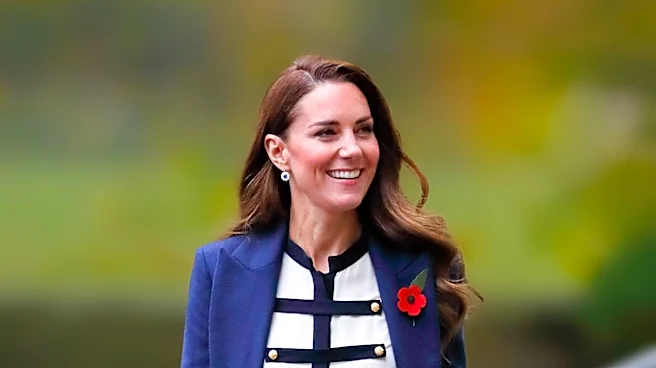
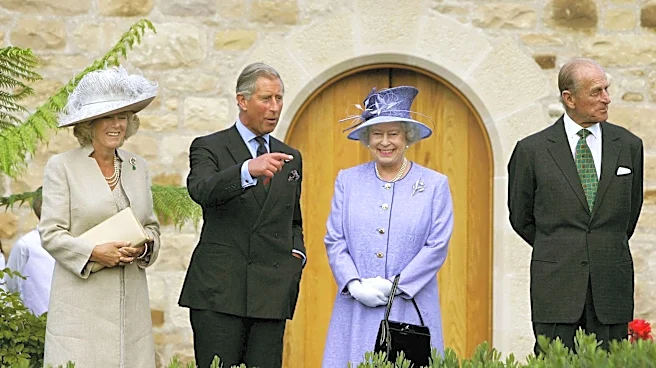
Four years after the passing of Queen Elizabeth II, Kate Middleton, the Princess of Wales, is increasingly seen as the central matriarchal figure within the royal family. According to body language specialist Judi James, Middleton projects a calming presence
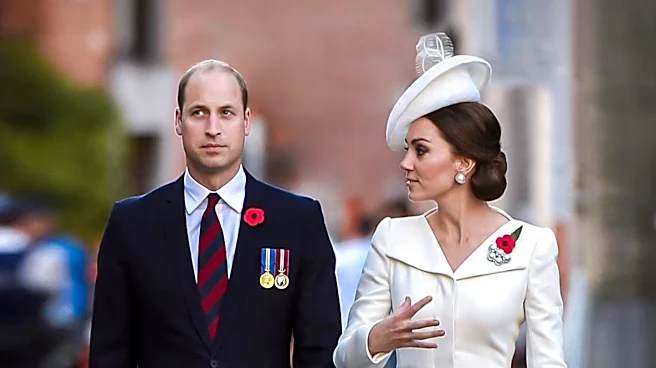
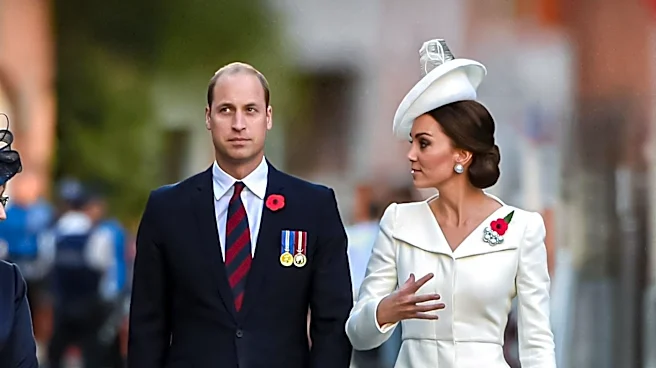
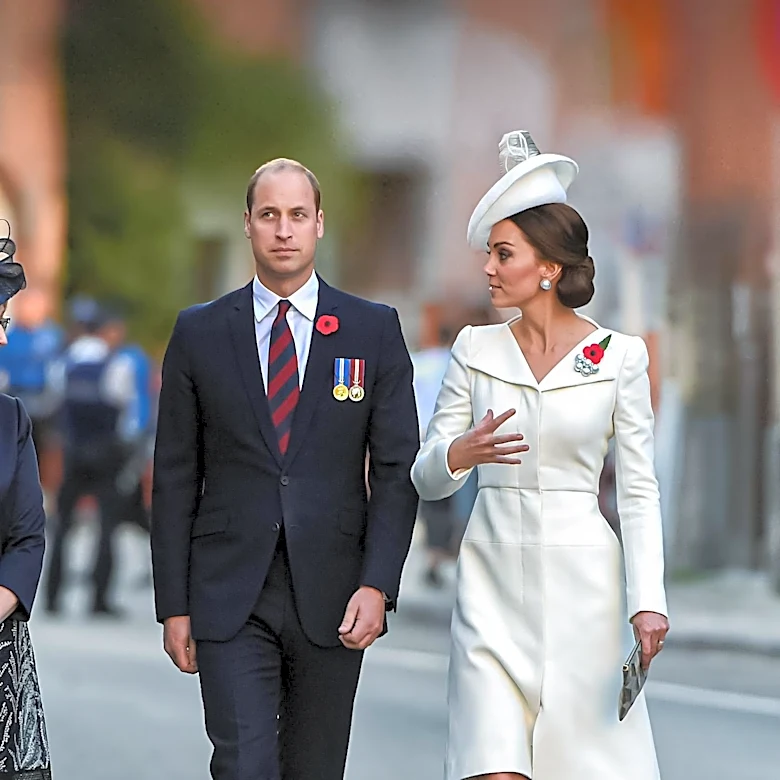
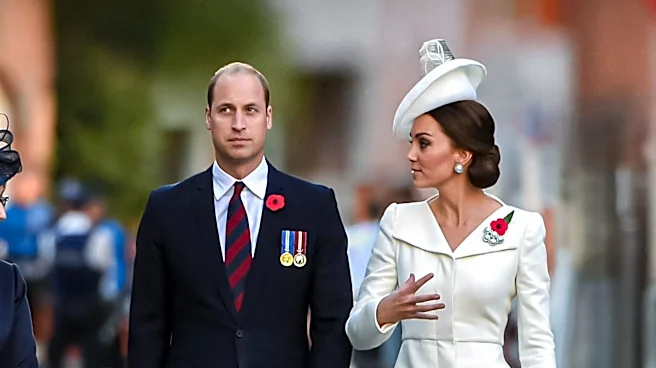
and signals of continuity and resilience, qualities for which the late Queen was known. James observed Middleton's demeanor during recent major public outings, including the National Service of Remembrance at the Cenotaph in Whitehall, London, on November 8, 2026. Her intense gaze towards Prince William during the ceremony suggested a silent unity and a visible presence, indicating her supportive role within the family. This assessment suggests a significant shift in Middleton's role, as she is perceived to have fully embraced the mantle of the royal family's natural matriarch.
Why It's Important?
The emergence of Kate Middleton as a matriarchal figure is significant for the stability and public perception of the British royal family in a post-Elizabethan era. Her perceived ability to project continuity and resilience can help maintain public confidence and affection for the monarchy, especially during a period of transition and ongoing scrutiny. For the U.S. audience, who often follow the British royals with keen interest, this development highlights the evolving dynamics within one of the world's most prominent monarchies. Middleton's growing influence could shape future royal engagements and public relations, potentially fostering a more relatable and stable image for the institution, which in turn can impact cultural and diplomatic soft power.
What's Next?
As Kate Middleton continues to solidify her role, it is expected that her public appearances and influence within the royal family will grow. Her actions and demeanor will likely be closely watched for further indications of her leadership and her approach to royal duties. This increased visibility could lead to more strategic public engagements and a continued focus on projecting stability and unity. The royal family may increasingly rely on her image to navigate future challenges and maintain public support, both domestically and internationally. Her evolving role could also influence how the younger generation of royals is perceived and groomed for future responsibilities.
Beyond the Headlines
The comparison of Kate Middleton to Queen Elizabeth II extends beyond mere public presence; it touches upon the deeper cultural and symbolic role of the monarchy. Queen Elizabeth II was a symbol of unwavering duty and stability for decades. For Middleton to be seen in a similar light suggests a profound shift in public and expert perception, indicating that she is embodying the core values that have historically sustained the institution. This development could signify a conscious effort by the royal family to cultivate an image of steadfastness and tradition through its key figures, ensuring its relevance and continuity in a rapidly changing world. It also highlights the immense pressure and expectation placed upon her to uphold these historical standards.