








What's Happening?
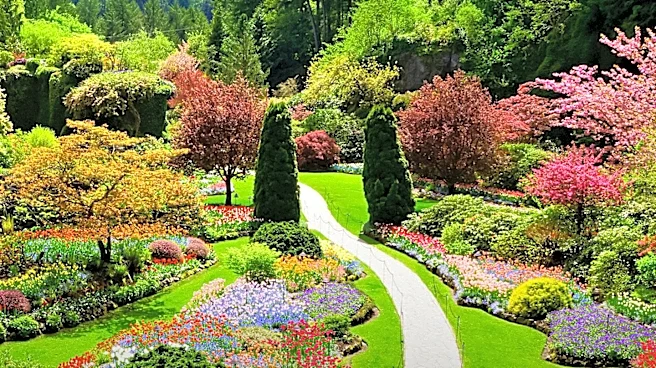
Gardens are increasingly being recognized as complex ecosystems, not just collections of plants, with a focus on diversity across plants, animals, soil, habitats, and genetics. A diverse mix of plants, particularly native varieties, is crucial for creating
attractive landscapes that support wildlife. Monocultures, such as manicured lawns, are described as 'biological deserts' due to their limited support for habitat diversity, food, and shelter for animals. Plants form the foundation of these ecosystems, providing energy, structure, and interacting with other components by supporting pollinators, feeding herbivorous insects, and offering shelter and nesting sites for birds and other animals. Seasonal biodiversity ensures food sources for wildlife throughout the year.
Why It's Important?
This ecological perspective on gardening holds significant importance for U.S. homeowners and environmental efforts. By promoting diverse, wildlife-friendly gardens, individuals can directly contribute to local biodiversity and ecosystem health. This approach helps mitigate the impact of habitat loss and supports declining pollinator populations, which are vital for agriculture and natural ecosystems. Shifting away from monocultures and reducing pesticide use can lead to healthier soil, cleaner water, and a more resilient environment. For homeowners, creating such gardens can reduce maintenance needs and foster a deeper connection with nature, enhancing the aesthetic and ecological value of their properties. It also encourages a more sustainable approach to land management at a grassroots level.
What's Next?
The movement towards ecological gardening is expected to gain further traction, with increased emphasis on native plant selection and habitat creation. Educational initiatives from organizations and gardening experts will continue to guide homeowners on how to transition their gardens into thriving ecosystems. This includes advice on selecting appropriate native species, creating layered vegetation, and minimizing soil disturbance. Local governments and community programs may also offer incentives or resources for ecological landscaping. As awareness grows, there will likely be a greater demand for native plants in nurseries and a shift in gardening practices towards more natural, less manicured aesthetics, ultimately contributing to broader ecological restoration efforts across the U.S.
Beyond the Headlines
The concept of gardens as ecosystems extends beyond mere horticulture; it represents a fundamental shift in human-nature interaction. It challenges the anthropocentric view of gardens as purely human-controlled spaces, instead advocating for co-existence and mutual benefit with local wildlife. This perspective has ethical implications, encouraging a sense of stewardship and responsibility towards the natural world. Culturally, it can foster a deeper appreciation for the intricate web of life and the ecological services provided by diverse ecosystems. Legally, it might influence zoning laws and community guidelines regarding landscaping, promoting biodiversity over uniformity. Ultimately, it encourages a more harmonious and sustainable way of living within our immediate environments.